




Checked Baggage Basics
When it comes to checked baggage on domestic flights with airlines like Indigo, SpiceJet, Akasa Air, and Alliance Air, the standard allowance is a single
piece weighing up to 15 kgs, included with your ticket. Air India distinguishes its allowances based on fare class, so it's crucial to verify what your specific ticket permits. For instance, Air India's Economy class might offer 'Value' (15kgs), 'Classic' (20kgs), and 'Flex' (25kgs) options, while Business and First class passengers enjoy higher limits, up to 40kgs. Regardless of the airline, a single piece of checked luggage, whether for domestic or international travel, generally cannot exceed 23kgs within India and 30kgs internationally. Exceeding these limits means you'll either need to pay for additional weight or an extra piece of luggage. The size of your checked bag typically has a combined dimension limit (length + width + height) of 158cm or 62 inches, though Alliance Air offers a more generous allowance of up to 270cm or 106 inches.
Cabin Baggage Essentials
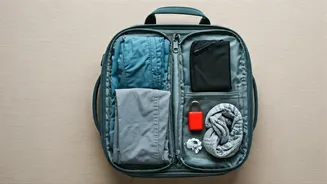
For your carry-on or cabin baggage, most Indian airlines adhere to a standard of one piece weighing up to 7 kgs. However, Air India enhances this for its Business and First class patrons, permitting them to carry a piece weighing up to 10 kgs. Indigo offers a slight perk by allowing an additional 3 kgs for a personal item, such as a laptop bag or a handbag, on top of the standard cabin allowance. The overall size limit for cabin baggage is generally capped at 115cm or 45 inches in total dimensions. Alliance Air is an exception, with a more restricted cabin baggage size limit of 85cm or 33 inches. It’s always wise to double-check these dimensions with your specific airline to ensure your carry-on fits the requirements and avoids any last-minute repacking at the gate.
Restricted Items Explained
Certain items are strictly prohibited in both checked and cabin baggage due to safety concerns. Valuables like jewelry and important documents should always travel with you in the cabin, never in checked luggage. Sharp objects, including knives and scissors, are forbidden in carry-ons and will be confiscated at security. Portable electronic devices containing lithium-ion batteries, such as laptops and electric toothbrushes, should ideally be carried in hand luggage. If placed in checked baggage, they must be completely switched off, with batteries removed, not merely in sleep mode. Devices that cannot be powered down are not permitted. Power banks and laptop chargers are fire hazards and must be kept in cabin baggage only. Similarly, e-cigarettes, vapes, and spare batteries are restricted to carry-on. Flammable materials like compressed gases, paint thinners, spray paint, and lighters are prohibited on all flights. While personal care aerosols are allowed in limited quantities, matches are permitted only in cabin baggage. Any items containing acids, alkalis, mercury, or wet cell batteries are also banned. If you're unsure about an item, contacting the airline directly is the best course of action.
Handling Excess Baggage
If your checked baggage exceeds the allowance provided by your ticket, don't fret, as there are options to manage the extra weight or pieces. You can typically pay for excess baggage both online in advance and at the airport during check-in. The charges for this vary significantly between airlines, making it highly advisable to check their respective websites for the most current rates before your journey. Planning ahead and understanding these potential costs can save you from unexpected expenses and stress at the airport. Paying online might sometimes offer a slightly better rate or guarantee that your extra baggage can be accommodated without issue.
Special Baggage Needs
Traveling with oversized or unusually shaped items like sporting equipment, golf bags, bicycles, surfboards, or large TVs (over 99.06 cms) requires special consideration. These are typically classified as 'Special Baggage' by most airlines. In addition to any standard excess baggage charges that may apply if the total weight or number of your bags exceeds your allowance, airlines usually levy an additional handling fee for these items. This fee can differ from one carrier to another. It is essential to research the specific requirements and potential charges for your special baggage well in advance to ensure it's accepted and transported safely throughout your trip.