






Juice: A Nutrient Source?
Fruit juice is often lauded for its nutrient and antioxidant content, presenting itself as a healthy beverage choice. However, its effect on blood sugar
regulation warrants careful consideration. While not inherently harmful, the impact of fruit juice is significantly influenced by consumption patterns, including the quantity and timing. Experts suggest that while juice offers beneficial compounds, its potential to disrupt blood glucose balance is a significant factor to be aware of, especially for individuals monitoring their sugar intake.
Meta-Analysis Findings
A thorough review encompassing 18 randomized controlled trials delved into how 100% fruit juice affects blood sugar and insulin sensitivity. Researchers meticulously analyzed data concerning fasting blood glucose, insulin levels, insulin resistance, and HbA1c (a long-term diabetes indicator). The collective findings indicated that, when compared to a control group, consuming 100% fruit juice did not yield any statistically significant changes in fasting blood glucose. Furthermore, the study observed no notable impact on insulin resistance or HbA1c levels, suggesting that a single serving of fruit juice does not drastically elevate blood sugar in the long run. However, the study did acknowledge that fruit juice possesses a moderately high glycemic index, implying rapid absorption and a temporary post-meal glucose rise, a predictable physiological response to concentrated fruit sugars.
The Project Viva Study
Adding another layer to the discussion, the Project Viva study, which tracked children from birth into adolescence in Massachusetts, introduced a cautionary note. This research identified a correlation between regular consumption of fruit juice and sugary beverages during childhood and elevated markers of diabetes risk in teenage boys. Specifically, for every daily serving of sugary drinks consumed throughout childhood and adolescence, boys showed a 34% increase in insulin resistance, a 5.6 mg/dL rise in fasting glucose levels, and a 0.12% increment in HbA1c levels by late adolescence. This study highlights potential long-term implications of early-life juice consumption, particularly for boys, underscoring the importance of dietary habits established in younger years.
Fiber: The Crucial Difference
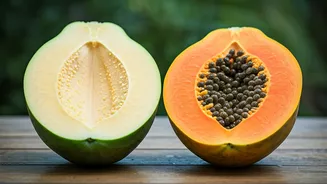
The divergence in findings and the ongoing confusion surrounding fruit juice often stem from a fundamental difference: fiber. When you consume a whole orange, you ingest the fruit's natural sugars alongside its dietary fiber. This fiber acts as a crucial regulator, significantly slowing down sugar absorption into the bloodstream, leading to a gradual and sustained blood sugar rise. In contrast, fruit juice typically has most of its fiber removed during the processing stage. Consequently, the sugars present in juice enter the bloodstream much more rapidly. While the immediate blood sugar spike from juice might resolve quickly, the absence of fiber means missing out on a vital component that aids in managing glucose levels. Experts explain that while fruit juice's sugar is natural, its lack of fiber leads to a higher glycemic load, impacting glucose levels more directly than whole fruits, even if the glycemic index itself is comparable.
Whole Fruit Advantage
Considering the impact of fiber, researchers generally advocate for consuming whole fruits over fruit juices. One notable study suggested that substituting fruit juice with three servings of whole fruits per week could reduce diabetes risk by 7%. While this might not seem like a substantial margin, it clearly indicates a beneficial trend. Whole fruits provide essential nutrients and fiber that support overall metabolic health. For individuals managing diabetes, prediabetes, or conditions like insulin resistance, making this dietary shift can be particularly advantageous, as their bodies are more sensitive to rapid blood glucose fluctuations. Therefore, prioritizing whole fruits is a recommended strategy for maintaining stable blood sugar levels.
Practical Consumption Tips
While fruit juice doesn't need to be entirely eliminated, mindful consumption is key, especially for those concerned about blood sugar. Opting for smaller serving sizes, around 100-150 ml, is advisable. Always choose fresh, 100% fruit juice free from added sugars. It's also beneficial to avoid consuming fruit juice on an empty stomach. A smart strategy to mitigate rapid sugar absorption is to pair your juice with protein or healthy fats. Although moderate consumption may not significantly affect blood glucose levels, it's important to remember that whole fruits consistently remain the superior choice for maintaining stable blood sugar levels. Occasional enjoyment of juice, rather than regular replacement of whole fruits, aligns best with research-backed health advice.