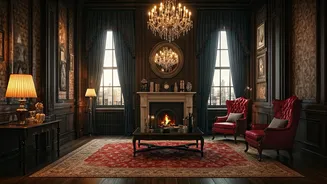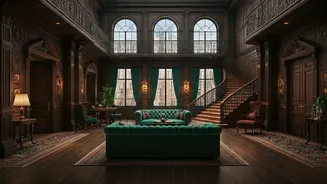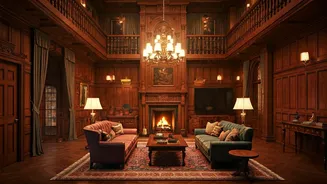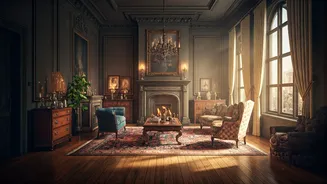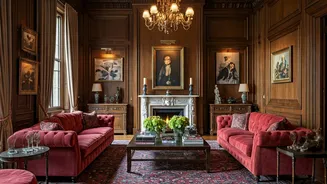








A London Dream
Actor Shekhar Suman’s opulent four-storey Victorian penthouse, a collaboration with his wife Alka, is a stunning testament to their shared vision. Located
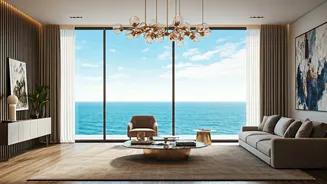
in the heart of Mumbai, the residence masterfully captures the essence of London's architectural charm, creating an immersive experience that has astounded visitors like filmmaker Farah Khan, who noted its unique presence even within the bustling Lokhandwala area. This meticulously designed space transcends mere decoration; it is a narrative woven with pastel hues, antique furnishings, global collectables, and cherished souvenirs from their travels. The interiors boast a dramatic flair, featuring grand chandeliers, elegantly carved pillars, and a captivating balcony offering serene vistas of the sea and surrounding hills, all contributing to a sense of transporting elegance.
Beyond Walls
Despite the palpable grandeur and sophisticated design of his home, Shekhar Suman emphasizes that true domestic bliss is not solely dictated by the physical structure. He posits that the warmth and spirit of a family are the fundamental elements that define a house as a home, irrespective of its size or lavishness. Suman suggests that even the most beautifully crafted or expansive dwelling loses its essence if it lacks the vital element of familial connection. This perspective highlights a deeper understanding of home, one that prioritizes emotional resonance and shared experiences over material opulence, underscoring that a house's true value is in the life lived within its walls.
Curated Living Spaces
The living room serves as the heart of the penthouse, harmoniously uniting its various elements. It features sumptuously comfortable seating arrangements, a striking fireplace-style console that adds a touch of classic elegance, and layered decor that invites admiration. Illumination is thoughtfully managed, with an array of chandeliers, table lamps, and wall sconces casting a warm, inviting ambiance across the space. Decorative accents, including bust sculptures, artisanal vases, and framed artworks, are strategically placed, bestowing the room with a curated, gallery-like sophistication. Large glass doors seamlessly extend the indoor elegance to the balcony, merging the interior's refined aesthetic with the tranquility of the outdoors. A unique centrepiece is the intricately designed antique chess table, adorned with sculptural pieces and carved legs, reflecting Suman's appreciation for vintage craftsmanship.
Serene Retreat
Transitioning from the living area's engaging atmosphere, the master bedroom offers a sanctuary of calm and relaxation, reminiscent of a high-end hotel suite. The focal point is a neutrally toned bed, set against a backdrop of wood panelling, flanked by matching bedside tables and classic lamps that emit a soft, golden light. Large mirrors on either side of the bed create an illusion of greater space, while personal photographs scattered throughout add an intimate and cherished dimension. The colour scheme here is deliberately subdued, favouring ivory, beige, and pale wood tones to foster a serene, uncluttered environment. This careful selection of colours and furnishings contributes to an atmosphere of peaceful repose, making it an ideal space for unwinding.
Balcony Oasis
In contrast to the meticulously styled interiors, the penthouse's balcony presents a more relaxed and refreshing ambiance. This outdoor space is transformed into a charming urban garden, thoughtfully adorned with a variety of potted plants in different sizes. It offers a delightful escape, allowing for moments of quiet contemplation amidst a touch of nature, even within the city's dense urban landscape. This area provides a gentle transition between the home's refined elegance and the invigorating presence of the surrounding environment, serving as a tranquil extension of the living space.
Aesthetic Roots
Shekhar Suman attributes much of the penthouse's distinctive aesthetic to his wife, Alka, acknowledging her significant influence and keen design sensibilities. He shares that a long-held aspiration was to recreate the charm of English houses they admired during their trips to England. Suman readily admits that living with Alka, who possesses an exceptional taste and background in design, has inevitably shaped and refined his own aesthetic perspectives over time. This collaborative approach and mutual inspiration highlight how personal history and partnership can deeply inform the creation of a living space that is both beautiful and meaningful.
Memory Treasures
Within the Suman residence, each object tells a story, serving as a tangible link to cherished memories and significant experiences. A prime example is the antique chessboard prominently displayed in the living room, which Shekhar Suman recounts purchasing from New York despite its considerable expense. This anecdote underscores how interiors become more than just functional spaces; they evolve into repositories of personal history, aspirations, and identity. These carefully selected items infuse the home with a unique narrative, reflecting the occupants' journey and values, transforming everyday objects into priceless collectables that deepen the connection to the home.
Mood & Environment
The profound impact of interior design elements on an individual's mood and psychological well-being is a recognized phenomenon. As explained by psychotherapist Sonal Khangarot, colours and lighting play a crucial role in how our brains perceive safety and stimulation. Research in environmental psychology indicates that different colours evoke distinct emotional responses; for instance, cool tones like blues and greens tend to be calming, while vibrant warm colours might heighten alertness or, conversely, induce anxiety, aligning with Arousal Theory. Furthermore, lighting, particularly natural light, directly influences our circadian rhythms, boosting serotonin levels and improving emotional regulation, whereas inadequate lighting can lead to low moods, as observed in Seasonal Affective Disorder.
Ornate vs. Overwhelmed
Highly detailed or ornate interiors, while aesthetically pleasing, can sometimes present a challenge to our cognitive processing. According to Cognitive Load Theory, the sheer volume of visual information in such environments—excessive patterns, textures, and decorative elements—requires significant mental effort. This increased cognitive load can potentially lead to feelings of fatigue, irritability, or restlessness, particularly for individuals already experiencing stress. Khangarot notes that while such designs can be visually rich, they can become overwhelming if not balanced effectively, prompting the brain to expend more energy on processing stimuli.
Achieving Balance
Creating a harmonious and psychologically comfortable environment within ornate interiors hinges on achieving a delicate balance. Khangarot suggests implementing contrast by pairing intricate decorative pieces with simpler, neutral areas, allowing the mind opportunities for rest and visual respite. Minimizing the number of competing focal points helps prevent visual overload, while employing softer lighting can enhance the soothing quality of the space. Crucially, selecting décor that holds personal meaning significantly boosts comfort and fosters a sense of place identity. Ultimately, a well-balanced space successfully integrates visual richness with psychological ease, ensuring the home is both stimulating and restorative.