




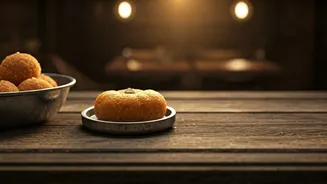
Humble Beginnings, Grand Vision
In the nascent years of independent India, Lava Ramchandra Kannadi, a visionary in his early twenties, embarked on a culinary journey by establishing Hotel
Sainath Upahar Gruh on September 17, 1967. What began as a modest wooden structure, far from modern conveniences like running water or electricity, was a testament to Kannadi's ambition to create something enduring. He would personally fetch water from the river to fuel his initial venture, a small bakery offering simple delights like pao butter. This dedication soon paved the way for a broader menu. Within just two years, the establishment expanded its offerings to include traditional Maharashtrian staples such as misal and poha, alongside evening treats like sukhi and oli bhel, laddoo, and jalebi. The foundation of this eatery was built on sheer hard work and a clear foresight into what could be achieved, even with limited resources.
Evolving with Time
As the demographic landscape of the region evolved with an influx of people from various states and the environment underwent rapid transformations, Hotel Sainath Upahar Gruh solidified its position as a cherished eatery. Its popularity extended beyond the immediate vicinity, drawing patrons from surrounding areas who appreciated its consistent quality and familiar charm. Recognizing the need to adapt, the restaurant underwent a significant renovation in 2001, transitioning from its original structure to a more robust and contemporary concrete building. This modernization ensured the establishment could better cater to its growing customer base while still preserving the essence that made it a local favorite. The transformation marked a new chapter, allowing the legacy to continue in a more comfortable and sustainable setting.
A Home Away From Home
Today, Hotel Sainath Upahar Gruh proudly boasts a large and devoted customer base, a testament to its lasting appeal. Lava Ramchandra Kannadi, affectionately known as 'kaka' or 'dada' by his regulars, has cultivated an atmosphere of profound familiarity. Stepping inside, one is immediately enveloped by a sense of warmth and camaraderie, with patrons engaging in lively conversations over their meals, their interactions filled with smiles and genuine connection. It feels less like a commercial establishment and more like a gathering place where everyone knows each other. The morning routine for the local community often includes the comforting aromas wafting from the kitchen, a quiet symphony orchestrated by an elderly couple and their dedicated family, who continue to nurture this cherished restaurant. This familial ambiance is a cornerstone of its enduring success.
The Taste of Authenticity
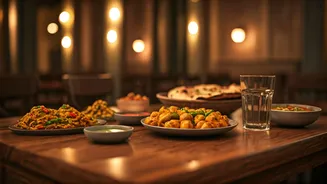
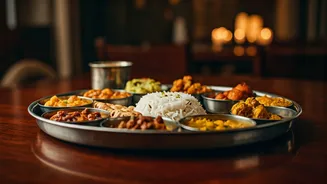
Customers often describe the food at Sainath Upahar Gruh with a profound sense of nostalgia, highlighting its unpretentious yet deeply satisfying nature. One patron eloquently captures this sentiment by stating, “The speciality of this food is that there is nothing special. That’s why I love it; it’s like my mother made it with her own hands.” This sentiment speaks volumes about the homemade quality and heartfelt preparation that goes into every dish. Another loyal customer echoes this feeling, referring to the eatery as their “second home, not just because of the food served here, but for the love shown to me by kaka.” Kannadi himself emphasizes the joy he derives from interacting with his patrons, ensuring they receive excellent service. He believes that the distinct, uncompromised taste achievable in a smaller, dedicated establishment far surpasses what larger, more commercial venues can offer, underscoring the value of personal touch and passion in culinary arts.
Navigating Challenges
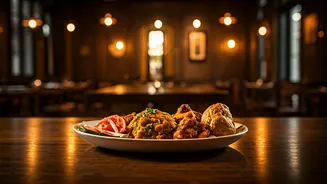
The journey of Hotel Sainath Upahar Gruh has not been without its adversities, notably the stark reality of inflation and the impact of global events. Kannadi recalls a time when menu items were priced at a mere 10-15 paise, a stark contrast to current bills that can range from Rs 200-300. More recently, the challenges posed by the pandemic were evident, yet customers remained steadfast, refusing to forgo their beloved misal pao and kadak chaha, forming queues while adhering to social distancing norms. Even police officers on patrol would stop by for a comforting plate of misal pao. The establishment has also grappled with significant logistical hurdles, such as the LPG crisis, which forced them to revert to using a coal sigdi and a kerosene stove due to the exorbitant black market price of a single cylinder, reaching Rs 4-5000. Despite these obstacles, their unwavering commitment to serving their customers remains paramount, ensuring that their cherished dishes, like the fluffy Tari Pohe and the perfectly crunchy Gol bhajji, continue to delight.