



Traditions in Motion
In the elevated villages nestled within Himachal Pradesh, culture isn't something stored away; it's an active, breathing part of daily life. This heritage
manifests in the very design of homes, the adornments people wear, the way meals are shared, and the stories that are brought to life through various art forms. However, the relentless march of modernization and the increasing strain of climate change pose a significant threat, risking the erosion of these deeply ingrained customs. It is against this backdrop of a delicate yet rich cultural tapestry that a notable endeavor has emerged. This initiative, a collaborative effort, aims to do more than just motorcycling; it's a profound exploration into the cultural soul of the Indian Himalayas. It unites enthusiasts, academics, and creative minds, fostering a deep engagement with the living, intangible cultural heritage that defines this majestic region. The focus is on practices that are transmitted generationally through memory and community participation, encompassing everything from intricate artistic expressions to foundational indigenous knowledge systems. The project has already cataloged over a hundred such unique traditions across both the Eastern and Western Himalayan ranges. In its most recent iteration, the project actively involved participants in direct engagement with local communities, documenting their ways of life through immersive observation and visual recordings, thereby capturing these traditions not as static relics, but as dynamic, evolving elements of society.
Cultural Gems Documented
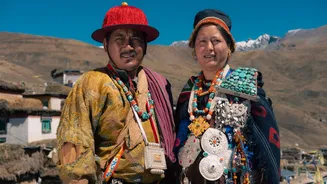
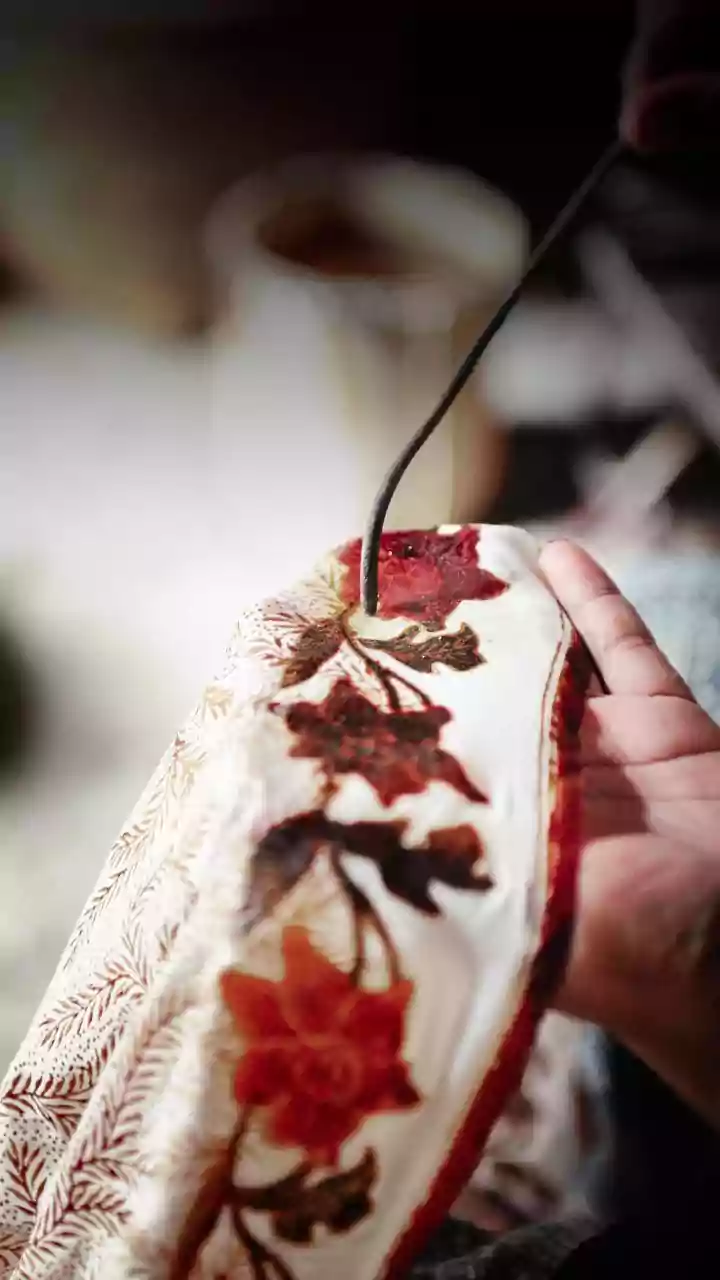
The initiative has brought to light a remarkable array of cultural practices integral to the Himalayan identity. Among these is the Chamba Thaal, a ceremonial metal platter distinguished by its rich, regional engravings and intricate designs, serving as a vessel for important rituals. Equally captivating are Kangra Paintings, celebrated for their delicate miniature artistry, characterized by meticulous detail and the use of natural pigments that lend them a unique luminescence. The region's architectural ingenuity is showcased through Kath-Kuni construction, a time-tested, earthquake-resistant method that interlocks wood and stone to create robust structures. Adornments like Spiti Jewellery, featuring silver and turquoise pieces, offer insights into local aesthetics and deeply rooted symbolic meanings, often influenced by Tibetan traditions. Furthermore, the Himachali Topi, a distinctive woollen cap, stands as a potent symbol of regional identity and inherited legacy. Each of these cultural expressions provides a window into the complex historical and social fabric of the area, where the realms of art and daily existence are seamlessly interwoven, reflecting a profound connection between creative endeavors and the rhythm of everyday life.
Economic Lifelines Forged
While meticulously documenting these cultural treasures is a vital initial step, the greater challenge lies in ensuring their continued relevance and economic viability in our fast-evolving world. Communities in the Himalayas grapple with a dual set of pressures: environmental challenges, including resource scarcity and unpredictable climate patterns, and economic difficulties stemming from a dwindling market appeal for traditionally handcrafted items. To confront this, the project extends its reach beyond simple record-keeping. Through ventures like 'The Himalayan Knot,' efforts are underway to establish concrete market connections for local artisans, effectively bridging the gap between time-honored crafts and contemporary consumers. Events such as 'Journeying Across the Himalayas,' a multifaceted festival, further amplify these endeavors. These platforms provide crucial spaces for craftspeople and performers to exhibit their talents, share their heritage, and access broader markets. Moreover, community-managed pit stops are being integrated into the tourism infrastructure. These stops not only showcase local architecture, culinary traditions, and traditional knowledge but also transform cultural exchange into a sustainable source of income, fostering economic opportunities directly within these communities.
Community at the Core
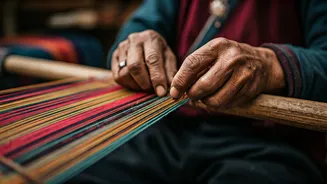
A defining characteristic of this preservation effort is its unwavering commitment to placing communities at the forefront. Instead of imposing external viewpoints or methodologies, the initiative actively draws upon the profound knowledge held by elders, skilled artisans, and master practitioners – individuals who have dedicated their lives to upholding these traditions for decades. A significant and growing focus is also placed on engaging younger generations in this cultural stewardship. By demonstrating how traditional skills can be integrated into viable economic models, the project endeavors to reshape perceptions. The aim is to position heritage not as an archaic relic, but as a potent source of contemporary pride and a reliable means of livelihood. This intentional cultivation of an intergenerational connection is paramount. When younger members of these communities perceive tangible cultural and financial value in their ancestral practices, the likelihood of them migrating away from their homes diminishes, thereby fostering the continuity and perpetuation of their unique heritage.
Modern Market Challenges
Despite the dedicated efforts undertaken, substantial obstacles persist in maintaining the relevance of traditional Himalayan crafts within the contemporary economic landscape. The very nature of handcrafted goods demands considerable time, specialized skill, and resource investment, inherently making them less competitive against the backdrop of rapid, mass-production economies. This challenge is further exacerbated by limited access to broader markets, inadequate technological resources, and a general lack of awareness among potential consumers. Addressing these issues necessitates well-defined and targeted interventions. By curating specialized platforms like the 'Himalayan Bazaar' and actively facilitating connections with new audiences, the initiative endeavors to bridge the divide between traditional craftsmanship and current consumer demand. The fundamental objective is not to alter or compromise these time-honored practices to conform to market trends, but rather to cultivate a deeper appreciation and understanding of their inherent value and unique artistry.
Travel with Purpose
Underpinning this entire endeavor is a broader philosophical concept: responsible tourism. By actively encouraging riders and travelers to engage in meaningful interactions with the communities they visit, 'The Great Himalayan Exploration' fundamentally reframes the act of travel. It shifts the paradigm from a passive observational experience to one of active cultural exchange and mutual appreciation. This approach fosters a virtuous cycle of heightened awareness, genuine appreciation, and tangible economic support. In essence, visitors become active participants in the preservation of the very traditions and cultures that draw them to these breathtaking landscapes. This method ensures that the economic benefits of tourism flow directly back to the communities, reinforcing the value of their cultural heritage and providing a sustainable framework for its continued existence and celebration.
Future Rooted in Past
The overarching ambition of 'The Great Himalayan Exploration' is both straightforward and profoundly significant: to guarantee that the rich cultural heritage of the Himalayas not only endures but continues to be actively practiced and celebrated. The core belief is that traditions do not survive solely through meticulous documentation; they thrive through relevance and active engagement. When culture becomes a dual source of identity and a practical means of livelihood, it inherently develops the resilience required to navigate and withstand the pressures of modernity. Ultimately, this journey transcends the simple act of traversing the Himalayas; it is an immersive process of understanding their essence, appreciating their enduring legacy, and contributing to a future where ancient traditions flourish alongside contemporary life.