





The Peril of Silence
Silent heart attacks, also known as silent myocardial infarctions, are a particularly insidious form of cardiovascular distress because they proceed without
the overt, dramatic symptoms often associated with heart attacks. This lack of pronounced signs means individuals may not realize they are experiencing a critical medical event, leading to delayed or entirely absent treatment. The consequences of this delayed intervention can be severe, resulting in substantial, irreversible damage to the heart muscle. Without timely medical attention, the weakened heart is more susceptible to further complications like heart failure, dangerous arrhythmias, and an increased risk of subsequent heart attacks. The danger lies precisely in this unnoticed progression; the heart suffers damage while the individual remains unaware, fostering a false sense of security that can have dire long-term health implications.
Unusual Fatigue Signals
One of the most common, yet frequently dismissed, indicators of a silent heart attack is persistent and unusual fatigue. This isn't the kind of tiredness that a good night's sleep can resolve. Instead, it's a profound exhaustion that lingers, making everyday activities feel arduous. This chronic weariness arises because the heart is under strain, struggling to effectively pump oxygenated blood throughout the body. The reduced efficiency means less oxygen reaches your muscles and organs, leading to that pervasive feeling of being depleted. It’s crucial to recognize this persistent lack of energy as more than just a busy schedule or lack of sleep; it can be a subtle plea from your cardiovascular system that something is amiss and requires medical evaluation.
Breathing Difficulties
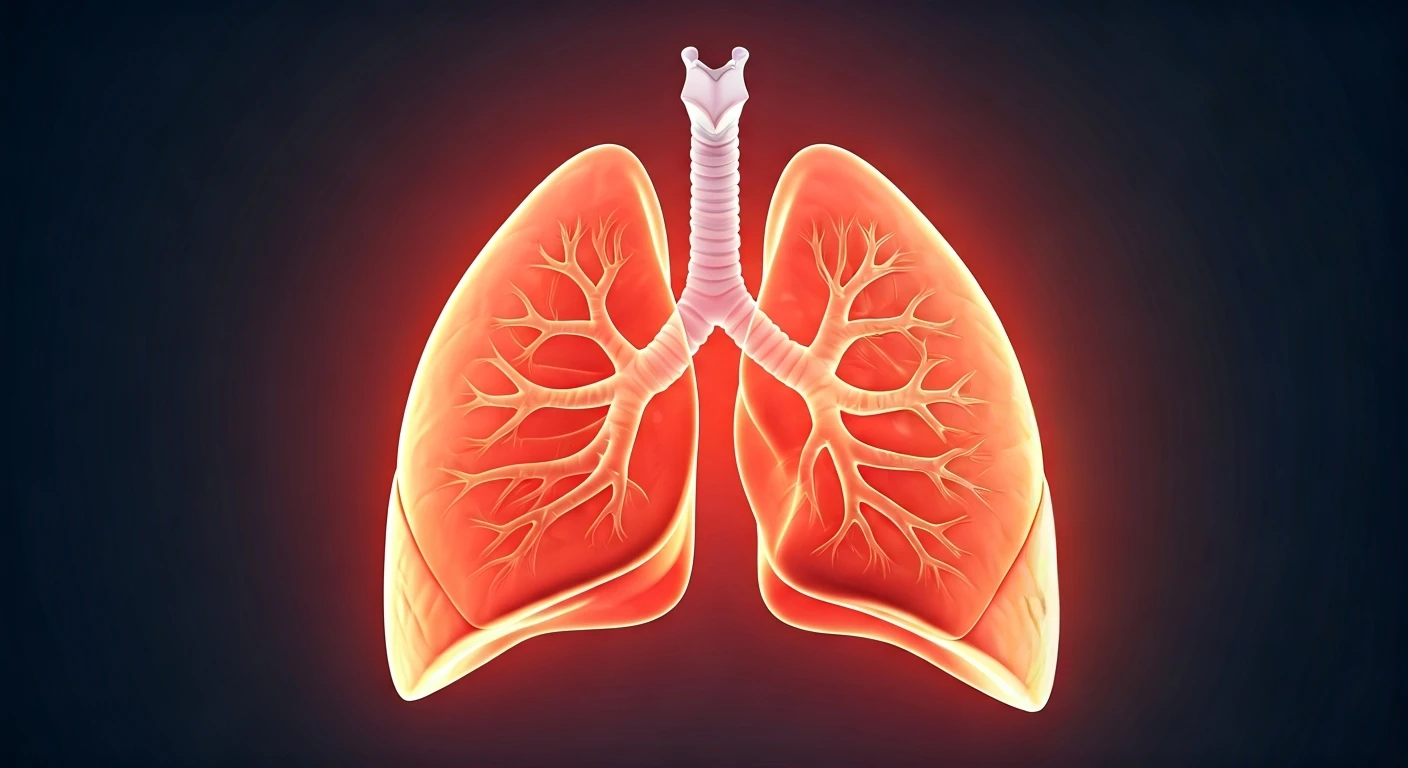
Experiencing shortness of breath, particularly after minimal physical exertion or even at rest, can be a significant, albeit often subtle, sign of an impending silent heart attack. This breathlessness occurs when the heart's pumping function is compromised, causing blood to accumulate in the lungs. This congestion makes it more difficult for oxygen to transfer into the bloodstream, leaving you feeling like you're not getting enough air. Even simple tasks like climbing stairs or walking short distances might trigger this sensation of breathlessness, prompting the need for frequent pauses. This symptom should never be overlooked, as it directly indicates compromised heart function and warrants immediate medical attention to prevent further cardiac distress.
Dizzy Spells and Unease
Sudden bouts of light-headedness, an unexplained feeling of nausea, or bloating, especially when these symptoms manifest together, can serve as crucial warning signals for a silent heart attack. These sensations often stem from the body's nervous system reacting to altered blood flow patterns. Such symptoms are frequently mistaken for common ailments like indigestion, dehydration, or a viral bug, leading to them being dismissed. However, when these occurrences are uncharacteristic and persistent, they might be your body’s way of indicating a more serious underlying issue related to your heart's ability to maintain adequate blood circulation, underscoring the importance of heeding these vague, yet potentially critical, signals.
Anxiety and Sleep Disruptions
A surprising precursor to silent heart attacks can manifest as disturbances in sleep patterns or a noticeable increase in anxiety and restlessness. Individuals might find themselves waking up frequently during the night, experiencing unsettling dreams, or feeling an unshakeable sense of unease and nervousness for no apparent reason. These psychological and sleep-related symptoms can emerge days or even weeks before a more significant cardiac event. They are believed to be the body's subtle ways of signaling underlying heart strain and compromised circulation. Recognizing these emotional and sleep-related changes, particularly when they occur without other identifiable stressors, is vital for proactive health monitoring.
Intermittent Chest Discomfort
While severe, crushing chest pain is the classic image of a heart attack, silent heart attacks can present with more subtle discomfort. This may not be a constant pain but rather an intermittent pressure, tightness, or squeezing sensation in the chest area. Because it's not severe and can be fleeting, many people misattribute this discomfort to common digestive issues like acidity, indigestion, or even muscle strain. The tendency to ignore this type of discomfort is amplified by the popular misconception that heart attacks always involve intense, prolonged chest pain. However, any unusual or irregular chest discomfort, especially when accompanied by other subtle signs, should be a prompt for medical consultation.