




Return to Flight
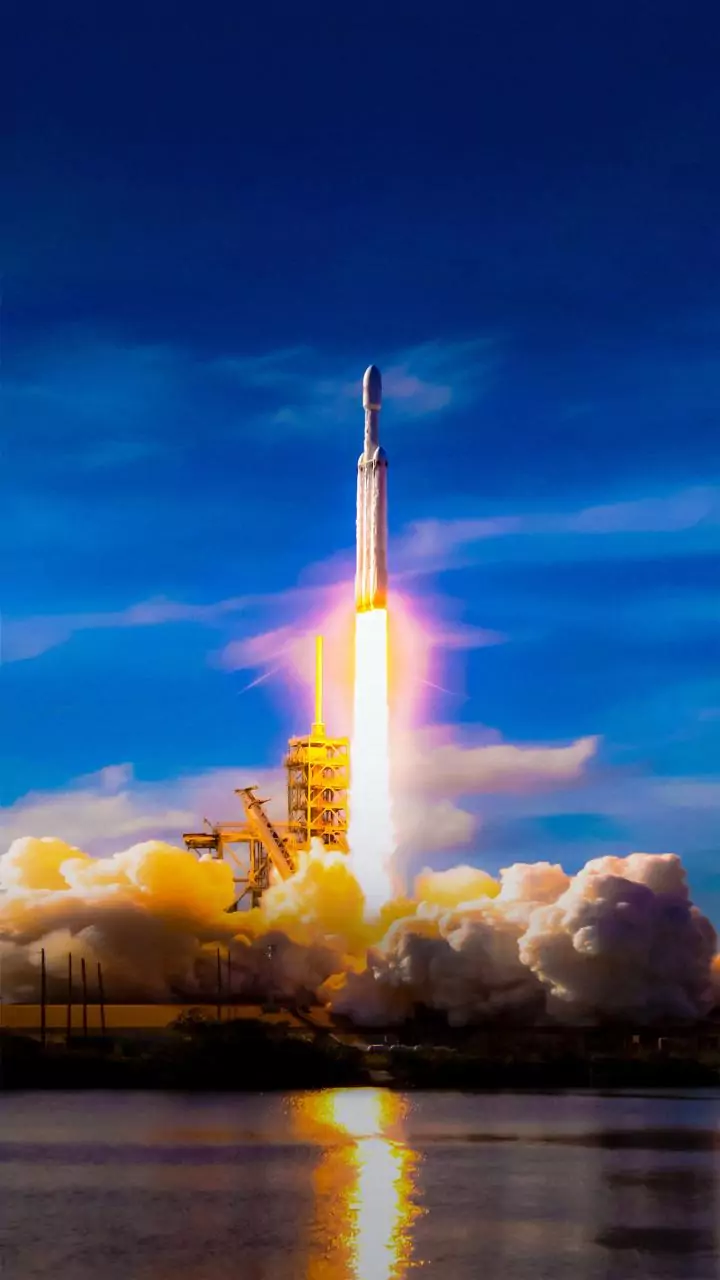
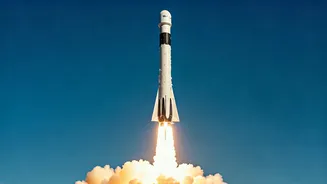
The Falcon 9 rocket resumed its crucial role in space exploration on February 7th, taking to the skies from Vandenberg Space Force Base in California at 3:58
p.m. Eastern time. This marked the first launch since an incident five days prior, where an upper-stage engine experienced an "off-nominal condition" during a deorbit burn. Despite successfully deploying its payload of 25 Starlink satellites approximately 62 minutes after liftoff, the rocket's ability to perform a planned deorbit burn was compromised. SpaceX, prioritizing safety and thoroughness, promptly delayed subsequent launches to meticulously investigate the malfunction. This proactive approach ensured that all potential risks were identified and addressed before authorizing a return to flight operations.
Investigation Findings
The Federal Aviation Administration (FAA) officially authorized the Falcon 9's return to flight on February 6th, following the completion of SpaceX's internal inquiry. The FAA's final mishap report pinpointed the probable root cause as the Falcon 9 second-stage engine's failure to ignite for its deorbit burn. SpaceX, in collaboration with the FAA, identified both technical and organizational preventive measures designed to preclude any recurrence of such an event. While the FAA withheld specific details regarding the exact cause of the failed deorbit burn, SpaceX later disclosed that a gas bubble within a transfer tube was the culprit, obstructing the upper-stage engine's ignition for the deorbit maneuver. The affected stage eventually reentered Earth's atmosphere over the Indian Ocean roughly 10.5 hours later.
Space Safety Enhancements
Although the precise origin of the gas bubble remains undisclosed, SpaceX indicated it was potentially linked to ongoing efforts to refine procedures for upper-stage deorbit burns. The company has been actively and safely experimenting with methods to optimize pre-burn engine chill profiles, specifically targeting the deorbit burn sequence after the successful deployment of Starlink satellites. The overarching objective of this rigorous testing is to bolster space safety by ensuring that all Falcon second stages reliably deorbit, thereby minimizing the generation of orbital debris. This commitment to deorbiting is evident in their statistics: in 2024, 13 out of 134 Falcon 9 upper stages remained in orbit post-deployment, a significant improvement compared to 2025, where only three out of 165 did so. Furthermore, six of those 16 upper stages have since naturally reentered the atmosphere, underscoring the effectiveness of these refined procedures.
Impact on Future Missions
The successful conclusion of this investigation not only permits the resumption of Starlink deployments but also clears the path for critical upcoming missions, including the Crew-12 mission to the International Space Station, scheduled for February 11th. NASA, a key partner, served as an observer during the deorbit burn failure investigation. NASA Associate Administrator Amit Kshatriya confirmed on February 3rd that the Crew-12 launch window was being targeted, contingent on the "return-to-flight rationale." Even prior to the FAA's official clearance, NASA conducted a flight readiness review for Crew-12 on February 6th, determining that the upper-stage deorbit burn incident did not pose a safety risk. NASA stated that since the Falcon 9 second stage utilizes a different deorbit profile for crewed missions, there is no increased risk to crew safety during ascent, and both agencies are 'go' for the Crew-12 launch.