
Picture Books Ignite Minds
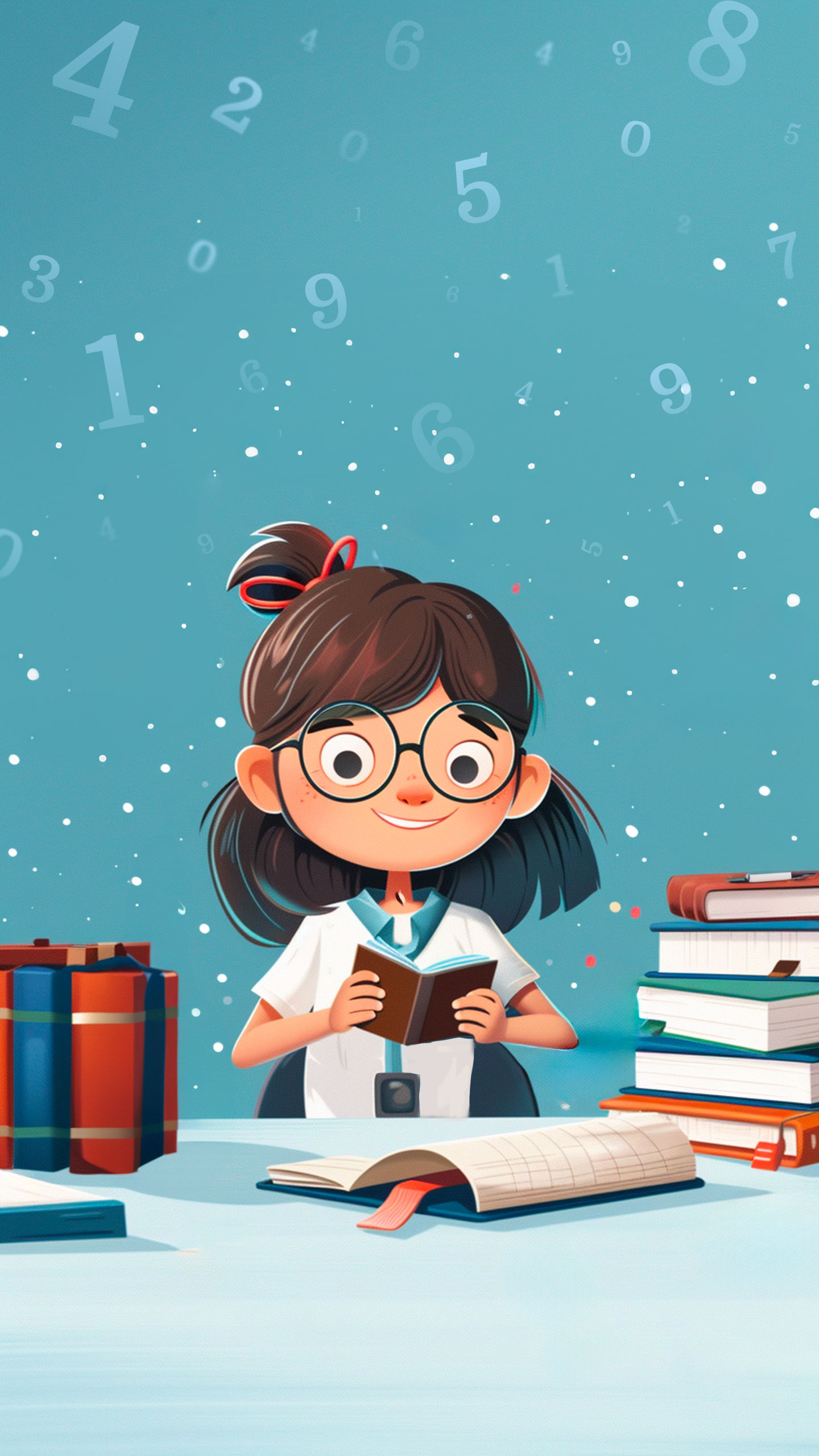
Picture books are more than just stories with colorful images; they are a cornerstone for early cognitive development. These books help children grasp
fundamental concepts such as shapes, colors, and numbers. The interaction between words and pictures aids in visual processing, boosting comprehension. As children engage with the illustrations, they begin to construct narratives and interpret emotions, building their ability to understand and relate to the world around them. Furthermore, picture books support early literacy skills by introducing vocabulary, sentence structure, and narrative flow, effectively preparing children for more complex reading materials.
Fantasy's Creative Spark
Fantasy books open doors to imaginative realms, becoming a crucial factor in the development of creativity. Immersing themselves in fantastical worlds stimulates children's ability to think beyond the ordinary, encouraging them to envision novel scenarios and expand their perspectives. The fantastical elements, like magical creatures, and impossible events, challenge children's perception and prompt them to think creatively to build stories, making connections, and solving problems. This exploration of the unknown greatly boosts their critical thinking and problem-solving skills, leading to more innovative approaches in various areas of life.
Storybooks Build Language Skills
Storybooks are crucial in developing language skills, which are essential for effective communication and comprehension. They expose children to a wider vocabulary, helping them understand new words in the context of engaging stories. The diverse sentence structures and narrative styles in storybooks improve children's grasp of grammar and syntax. This familiarity enhances reading fluency and writing skills, allowing children to articulate their thoughts and ideas better. Storybooks also encourage active listening and understanding of diverse communication styles, contributing to the development of better communication capabilities.
Rhymes, Poetry Enhance Memory
Rhymes and poetry serve a vital role in improving memory and enhancing phonological awareness in children. The rhythmic patterns and sounds found in rhymes help children remember information more easily, developing memory retention. Exposure to phonological awareness, understanding how sounds combine to form words, forms a base for decoding and reading abilities. This kind of interaction with language supports reading readiness and also gives an appreciation for the musicality of language, adding to a child's love for reading. Regularly engaging with rhymes and poetry nurtures the ability to hear and recognize the sounds of language, improving overall literacy skills.
Non-Fiction Fuels Curiosity
Non-fiction books play a significant part in developing a child's knowledge and curiosity about the world around them. These books provide facts about a wide variety of subjects, from animals and history to science and culture. By reading these non-fiction pieces, children learn to seek information, analyze information, and form a view. This process helps them develop critical thinking skills, a very important part of lifelong learning. Furthermore, non-fiction books ignite curiosity, pushing children to inquire further and discover new things. This thirst for knowledge helps children to become active learners, eager to explore the world around them.