






Key Factors for Ventilation
Deciding whether to open or close your windows on a sweltering summer day hinges on a few critical elements, including the prevailing outdoor temperature,
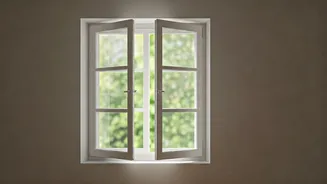
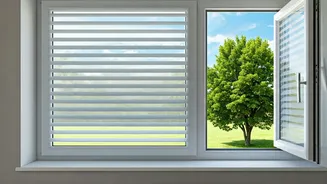
the level of humidity in the air, the current time, and how freely air moves within your living space. If the air outside is more temperate than what's circulating indoors, opening your windows can be a natural and effective way to reduce the internal temperature. Conversely, when the mercury rises significantly outdoors, particularly during the hottest parts of the day, keeping windows shut is paramount to prevent that external heat from infiltrating your home. Beyond temperature and humidity, environmental nuances like wind direction and the presence of shade also play a role. Homes blessed with good natural airflow might find solace in open windows during the cooler transitions of the early morning or late evening. However, in regions experiencing high humidity or intense, direct sunlight, maintaining a cool interior often means keeping those windows firmly closed to better manage the indoor environment.
Humidity's Cooling Impact
The role of humidity is a significant determinant in whether ventilating your home with open windows will truly lead to a cooler sensation. In scenarios where a hot day is accompanied by high humidity, opening windows can inadvertently exacerbate the indoor conditions, making them feel even more oppressive. When air saturated with moisture flows into your home, it tends to make the atmosphere feel sticky and significantly less comfortable. This heightened humidity can lead to increased perspiration and make it harder for your body to cool down, thus making it a more sensible choice to keep windows closed and rely on air conditioning systems to regulate both the temperature and the moisture levels within your home. In contrast, for areas characterized by dry climates, strategically opening windows during the more temperate periods, such as the early morning or late evening, can be an excellent strategy to introduce cool, dry air. This influx of cooler, less humid air helps to lower the internal temperature without creating a damp or clammy feeling, offering a pleasant natural cooling effect.
Optimal Window Timing
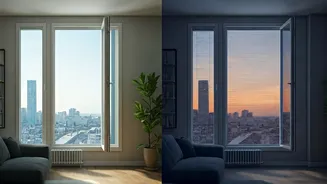
Timing your window adjustments is absolutely crucial for effectively managing your home's temperature during the summer heat. It is highly recommended to open your windows during the early hours of the morning or in the later evening when the outdoor temperatures have naturally receded. This practice allows for the reduction of indoor temperatures through natural means, contributing to a comfortable living space without the immediate necessity of turning on air conditioning. Conversely, it is advisable to keep your windows closed throughout the afternoon and midday period, which typically coincides with the sun's zenith and the highest outdoor heat levels. By doing so, you effectively prevent the entry of superheated air into your home, thereby helping to preserve the cooler air that has already been established inside, maintaining a more consistent and comfortable internal climate.
Fans and AC Synergy
The integration of fans or air conditioning with your window strategy can profoundly influence your indoor comfort levels. When employing fans alongside open windows, the primary objective is to cultivate a cross-breeze that facilitates air circulation throughout the dwelling. This technique is particularly efficacious during the cooler intervals of the day, such as dawn or dusk. Strategically positioning fans near windows can assist in drawing cooler exterior air into the house while simultaneously expelling warmer interior air, fostering a more agreeable atmosphere. On the other hand, when utilizing air conditioning, it is significantly more energy-efficient to maintain closed windows. Air conditioning units function by cooling and dehumidifying the indoor air. If windows are left open, the ingress of warm, moist outdoor air compromises the AC's operational efficiency, leading to increased energy consumption and higher utility bills. To ensure a cool and cost-effective environment, sealing windows and eliminating any air leaks is strongly advised.