






The Aircon Dryness Effect
Air conditioners, while effective at cooling, have a side effect of significantly drying out the air within a room. This process can go beyond mere discomfort,
leading to irritated nasal passages and throats, particularly noticeable upon waking. For children, whose skin and respiratory systems are more sensitive, this dryness can manifest as restless sleep, frequent awakenings, and increased discomfort. Symptoms like itchy eyes, dry lips, and a scratchy throat are common indicators that the air has become too desiccated. This moisture depletion is an inherent part of how AC units function, as they pull moisture from the air as part of the cooling cycle. In enclosed spaces, such as bedrooms with windows and doors shut overnight, this effect is amplified, creating an environment that feels cooler but is significantly drier than what the human body naturally prefers. The air's quality, therefore, plays a crucial role in sleep comfort, not solely the temperature, and this pervasive dryness can disrupt the restful sleep children need.
Hydration for Little Ones
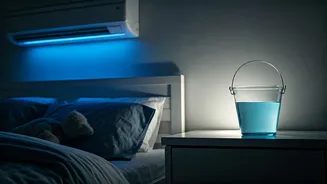
Children are often more susceptible to the effects of dry air than adults. Their delicate skin can feel tight and uncomfortable, and their eyes may become tired and irritated, leading to them rubbing their eyes or tossing and turning more frequently during sleep. For kids with pre-existing conditions like eczema or mild eye irritations, the dryness can exacerbate their discomfort. A simple, low-tech intervention like placing a bucket of water in the room can help alleviate these issues. As the water gradually evaporates, it releases moisture into the air, subtly softening the aggressive dryness. This isn't a medical cure for ailments like congestion or colds, but it can create a gentler atmosphere for breathing, making sleep feel less harsh. The resultant comfort can lead to more refreshed mornings, rather than groggy or irritable ones. This small adjustment addresses a nuanced aspect of sleep quality that goes beyond mere temperature control.
The Simple Bucket Solution
The practice of placing a bucket of water in a room while the air conditioner is running is a time-honored, low-cost method to combat dryness. It operates on a simple principle: as water evaporates, it introduces ambient moisture into the air. This process can make the air feel less harsh on the airways, potentially reducing the incidence of dry mouth, scratchy throats, and nasal irritation that many experience after sleeping in an air-conditioned environment. While it won't eliminate the need for medical treatment for conditions like allergies or colds, it can create a more comfortable sleeping environment, especially for children who breathe through their mouths or have sensitive respiratory systems. This humble bucket serves as a practical backup, a way to support better sleep quality by addressing the often-overlooked factor of air humidity in a cool, dry room. It's a testament to how simple, accessible methods can have a tangible impact on well-being.
Beyond Temperature: Air Quality
Achieving good sleep for children involves more than just setting the thermostat to a cool temperature. A comfortable sleep environment is a holistic experience, encompassing safety, quietness, stability, and the overall feel of the air. While darkness and a consistent temperature are crucial, the quality of the air one breathes is equally important. Air conditioners provide a welcome coolness and a sense of calm, almost sealing off the room from the outside. However, this can lead to a feeling of dryness that is detrimental to sleep comfort. A bucket of water, though appearing basic, addresses this specific issue. It’s a parenting instinct to notice what the body is reacting to—restlessness, discomfort—and adjust the environment accordingly, sometimes in ways that are not immediately obvious. This small habit, alongside others like avoiding direct AC drafts and ensuring appropriate bedding, contributes to the overall 'housekeeping' of better sleep, recognizing that small details collectively enhance comfort and rest.
Practicality and Safety First
Not everyone owns or wishes to use a humidifier, and some parents are hesitant to introduce additional electronic devices into a child's room. In such cases, a bucket of water presents a straightforward and readily available alternative. It requires no electricity, produces no noise, and needs no complex setup or maintenance. This makes it an appealing, practical choice, especially in older homes where this method has been employed for years. However, the implementation of this strategy must prioritize safety. A clean, stable bucket is essential, and its placement should ensure it cannot be accidentally knocked over, particularly in rooms with very young children. The goal is to enhance comfort without introducing a potential hazard, ensuring that this traditional remedy remains a beneficial and secure addition to a child's sleep environment.