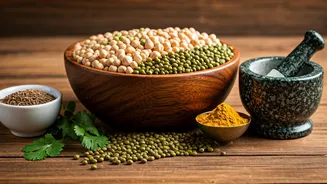







Soaking: The Crucial First Step
To unlock the full digestive potential of dals and legumes, the initial step of soaking is paramount. This isn't merely a traditional practice; it's rooted
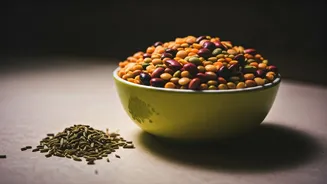
in science. When allowed to soak for adequate periods, these pulses begin to break down complex compounds such as phytic acid, which can otherwise hinder nutrient absorption and digestive ease. Furthermore, soaking helps to reduce the specific types of sugars that ferment in the gut, a primary instigator of uncomfortable gas and bloating. The duration of soaking should be tailored to the type of legume; heartier varieties like rajma, chickpeas, and black chana benefit from an extended soak of 8 to 12 hours or even overnight. In contrast, lighter dals such as moong and masoor require a shorter soaking time, typically a few hours. A critical, often overlooked detail is to always discard the soaking water before cooking. This water often contains the very compounds responsible for triggering digestive distress, making its removal essential for a comfortable meal.
Spice Up Your Digestion
Beyond how you prepare your dals, the choice of spices plays a significant role in how well your body tolerates them. Incorporating specific digestive aids into your cooking can dramatically alleviate bloating. Ingredients like hing (asafoetida), fresh ginger, cumin seeds, and ajwain (carom seeds) are renowned for their ability to support the digestive process. These culinary additions act by promoting the activity of digestive enzymes, thereby assisting your body in breaking down the complex fibers found in legumes more efficiently. This pre-emptive breakdown before the food reaches the large intestine, where gas production is more likely, is key to preventing discomfort. For instance, a pinch of hing and a dash of ajwain can transform a heavy moong dal dish into a lighter option. Similarly, adding fresh ginger and garlic to rajma not only enriches its flavor profile but also significantly eases its passage through your digestive system.
Start Light, Then Transition
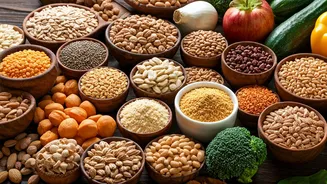
For individuals whose digestive systems are not accustomed to high-fiber foods, directly consuming heavy legumes like rajma or chana can lead to noticeable discomfort. A more strategic approach involves gradually introducing these foods. Begin with lighter, more easily digestible dals, such as yellow moong dal or masoor dal. These varieties are inherently gentler on the stomach and can be incorporated into your diet more frequently without causing upset. As your digestive system becomes more accustomed to processing these foods and your gut microbiome adapts, you can progressively introduce heavier options. This phased introduction allows your gut bacteria to cultivate the necessary environment and enzymes to efficiently digest more complex legumes. It’s important to recognize that not all legumes are created equal in terms of digestive impact. While lighter dals can be enjoyed almost daily, it's advisable to limit heavier varieties like rajma, chole, or black chana to once or twice a week, particularly if you have a history of experiencing bloating.