





Understanding Dehydration
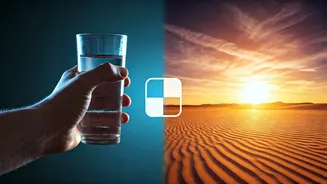
Dehydration occurs when your body expels more fluids than it consumes, a common occurrence during sweltering weather or intense physical activity. Early
indicators often include a parched mouth, persistent thirst, weariness, a feeling of lightheadedness, and noticeably darker urine. If these initial signals are overlooked, the condition can escalate, potentially hindering regular bodily functions and possibly necessitating medical intervention. It's a state where your body's internal balance of fluids is disrupted, impacting its ability to perform optimally, especially when exposed to rising temperatures or prolonged exertion in the sun. Recognizing these early cues is the first step in preventing more severe heat-related illnesses.
Recognizing Heat Stroke
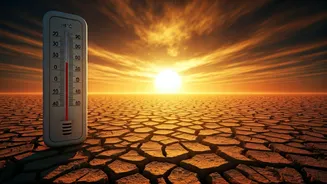
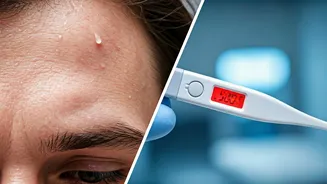
Heat stroke represents a critical medical emergency, occurring when your internal temperature escalates beyond 40°C and your body loses its capacity to cool down. Key symptoms include an extremely high body temperature, significant confusion, a rapid heartbeat, intense headaches, and feelings of nausea. In dire circumstances, individuals might even lose consciousness. A stark difference from dehydration is that, in severe heat stroke cases, the body may cease sweating altogether, leaving the skin feeling hot and dry to the touch. This severe condition demands immediate medical attention as it signifies a profound failure of the body's thermoregulation system, posing a significant threat to life.
The Importance of Early Signals
Heeding the initial symptoms of heat-related distress is paramount, as these often serve as crucial warnings before a situation deteriorates into a serious medical crisis. Maintaining adequate hydration is fundamental to ensuring your body operates efficiently, particularly under hot conditions. Simultaneously, limiting your exposure to direct, intense sunlight can significantly reduce the risk of both dehydration and heat stroke. If symptoms begin to manifest intensely or worsen rapidly, seeking prompt medical help is strongly recommended to avert any potential complications and safeguard your health from lasting harm.
Staying Safe in the Heat
Adopting a few straightforward habits can substantially mitigate the risks associated with both dehydration and heat stroke. Make it a practice to sip water consistently, even before thirst sets in, especially when spending time outdoors. During periods of extreme heat or after perspiring heavily, consider replenishing lost electrolytes with oral rehydration solutions, coconut water, or other electrolyte-rich beverages. Extra vigilance is advised for vulnerable groups like children, the elderly, and those engaged in outdoor labor. Ensure adequate indoor cooling through fans, good ventilation, or air conditioning. Schedule outdoor activities outside of peak sun hours, typically between 12 pm and 4 pm, when temperatures are at their zenith. Opt for loose-fitting, light-colored attire made from breathable fabrics such as cotton to aid in body temperature regulation. Never dismiss warning signs like fatigue, dizziness, or nausea; take immediate breaks and rehydrate to prevent escalation.