






The Misconception of Normal Blood Pressure
It's a common yet dangerously flawed belief that a consistently normal blood pressure reading signifies a completely healthy cardiovascular system. While
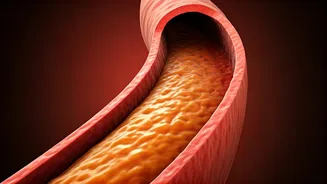
blood pressure is indeed a crucial indicator of heart health, it represents only a single facet of a much more intricate system. Many individuals who experience coronary artery disease, characterized by plaque buildup in the heart's arteries, paradoxically maintain perfectly healthy blood pressure levels. This plaque, composed of substances like cholesterol, fat, and calcium, can accumulate silently over time, often without presenting any obvious symptoms until it reaches a critical stage. Therefore, relying solely on blood pressure measurements can offer a misleading picture of overall heart condition, failing to detect underlying issues that require attention.
Recognizing Subtle Warning Signs
Early indications of potential heart issues are not always dramatic or easily identifiable, often leading to them being overlooked. Experts highlight that subtle symptoms such as a feeling of heaviness in the chest during physical exertion, experiencing breathlessness when climbing stairs, unusual and persistent fatigue, or discomfort radiating to the jaw, neck, or left arm, should not be dismissed. Individuals with conditions like diabetes, in particular, might experience 'silent' symptoms or even remain entirely asymptomatic while blockages develop. Any new sensation, a symptom that persists over time, or one that is directly linked to physical activity warrants a thorough medical evaluation to rule out underlying cardiac concerns.
Diagnostic Tools for Early Detection
Detecting heart blockages early involves a multifaceted approach rather than a single definitive test. An Electrocardiogram (ECG) serves as a foundational screening tool, capable of identifying past or current strain on the heart. The Treadmill Test (TMT) further assesses cardiac function under stress, revealing changes that might only manifest during exercise. For a visual evaluation of the heart's muscle movement and overall pumping efficiency, a 2D Echocardiography is utilized. To non-invasively visualize potential blockages within the coronary arteries, a CT Coronary Angiography is performed. Additionally, a Coronary Calcium Score can identify early signs of plaque accumulation even before symptoms emerge. For the most precise diagnosis, Coronary Angiography remains the gold standard, involving the injection of a contrast dye to pinpoint any narrowing or obstructions directly.
Who Needs Heart Screening?
Certain individuals are strongly advised to consider proactive heart screening, even in the absence of apparent symptoms. Those with established risk factors such as diabetes, elevated cholesterol levels, a history of smoking, obesity, a sedentary lifestyle, or a family predisposition to heart disease should prioritize regular check-ups. Furthermore, age is a significant consideration; men over 40 and women post-menopause are generally at a higher risk and should be particularly vigilant. Prompt screening, accurate diagnosis, and implementing necessary lifestyle modifications are crucial steps in mitigating the risk of serious cardiovascular events.