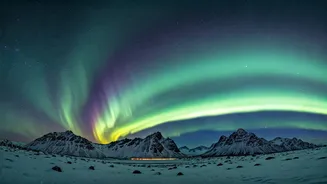








Solar Storm Dynamics
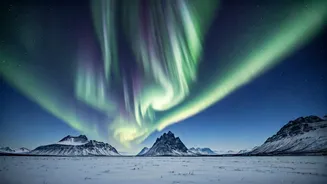
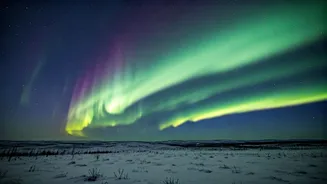
The mesmerizing display of the Northern Lights is a direct result of dynamic interactions originating from the Sun. These interactions often manifest as
solar flares, coronal mass ejections (CMEs), and high-speed solar wind streams. When these energetic particles, primarily electrons and protons, are ejected from the Sun and travel towards Earth, they can collide with our planet's magnetosphere. This collision can trigger geomagnetic storms, which are essentially disturbances in Earth's magnetic field. The intensity of these storms, often measured by the Kp-index, dictates the extent to which auroras are visible. For instance, a G4 (severe) geomagnetic storm can push auroras to much lower latitudes than typically observed. The arrival of these solar particles, sometimes sooner than anticipated, can lead to spectacular light shows, especially when the solar wind speed is elevated. Understanding these solar events is key to predicting aurora activity and maximizing the chances of a sighting. Sources frequently mention specific dates when CMEs were detected or expected to impact Earth, highlighting the real-time nature of aurora forecasting.
Predicting Aurora Visibility
Witnessing the Northern Lights requires a blend of understanding space weather and favorable terrestrial conditions. Forecasts frequently indicate potential aurora displays, specifying if they'll be confined to high latitudes or visible in lower regions, sometimes even mentioning specific states or countries. These predictions are often based on incoming solar winds, coronal hole activity, and the proximity of CMEs. For example, a fast solar wind stream is often cited as a key ingredient for enhanced auroral activity. Geographically, the Northern Lights are most commonly seen in Arctic regions, but during periods of strong geomagnetic storms, they can be visible in a much wider range of locations, sometimes extending as far south as Italy or numerous US states. Beyond solar activity, clear skies are paramount; cloudy conditions will obscure even the most vibrant auroral displays. The timing of these events, often reported on a daily or weekly basis, allows aurora enthusiasts to plan their viewing opportunities effectively, with many forecasts highlighting weekend potential.
Aurora Viewing Tips
For those eager to capture the ethereal beauty of the Northern Lights, strategic planning and preparation are essential. Many reports emphasize the importance of being in areas with minimal light pollution for the best viewing experience, recommending locations away from city centers. While strong geomagnetic storms are the primary drivers of widespread auroras, even quieter periods can offer opportunities, particularly at higher latitudes. The mention of specific dates and the duration of aurora activity, such as lingering displays through a weekend or potential upticks midweek, provides valuable insights for planning. Several sources also highlight the availability of online livestreams for viewing the Northern Lights when in-person observation isn't possible. The 'best month' for viewing, such as March, is often noted, suggesting seasonal patterns that can enhance chances. Ultimately, staying informed about the latest aurora forecasts and understanding the interplay of solar and terrestrial conditions are crucial for a successful and memorable aurora-chasing adventure.