

The Tourism Leader
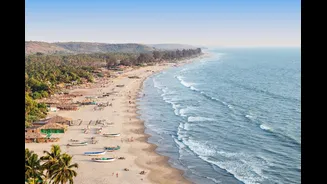
The title of 'Tourism Capital of India' belongs to Goa. This state, situated on the western coast of India, is celebrated for its stunning beaches, vibrant
nightlife, and rich cultural heritage, drawing visitors from all over the world. Goa's tourism industry is a significant contributor to its economy. The state's appeal extends beyond its beaches, encompassing historical churches, forts, spice plantations, and wildlife sanctuaries. It offers a diverse range of experiences, from relaxing beach holidays to adventurous activities like water sports and exploring the Western Ghats. The state's unique blend of Portuguese and Indian cultures also adds to its charm, making it a truly unique destination for tourists.
Goa's Allure Explained
Goa's tourism success is multifaceted. Its coastline, dotted with golden beaches such as Calangute, Baga, and Anjuna, provides a strong initial draw. These beaches offer a wide range of activities, from sunbathing and swimming to water sports like jet skiing and parasailing. Beyond its beaches, the state boasts a rich history reflected in its architecture. The churches and convents of Old Goa, a UNESCO World Heritage site, offer a glimpse into the region's colonial past. Furthermore, Goa's vibrant culture, evident in its festivals, cuisine, and local markets, adds to its appeal. The state's easy accessibility, good infrastructure, and a variety of accommodation options, from budget-friendly guesthouses to luxury resorts, cater to a broad spectrum of travelers, further solidifying its position as India's tourism capital.
Beyond Beaches & Parties
While beaches and nightlife are major attractions, Goa has much more to offer. The Dudhsagar Falls, one of India's tallest waterfalls, provides a stunning natural spectacle. Spice plantations offer visitors a chance to explore the region's agricultural heritage, while wildlife sanctuaries, such as the Bhagwan Mahavir Wildlife Sanctuary, showcase the state's biodiversity. The state’s cuisine, a delightful fusion of Indian and Portuguese influences, attracts food lovers. The annual Goa Carnival, a colorful display of music, dance, and floats, is a major cultural event that draws crowds. Furthermore, the laid-back atmosphere and welcoming attitude of the locals contribute to Goa's appeal, making visitors feel relaxed and at home.
Tourism's Economic Impact
Tourism has a significant economic impact on Goa. The industry provides employment for a substantial portion of the population, ranging from hotel staff and tour operators to taxi drivers and local artisans. Revenues generated from tourism boost state finances and support various infrastructure projects. Local businesses also thrive because of tourism, increasing sales for shops, restaurants, and other services. However, this economic dependence also presents challenges. The state must carefully manage its tourism sector to ensure environmental sustainability, preserve its cultural heritage, and prevent over-tourism, all to provide a balanced and sustainable growth for the future.
The Capital's Future
Goa aims to maintain its status as India's tourism capital through strategic planning and initiatives. The government is investing in infrastructure improvements, such as road upgrades and improved airport facilities, to enhance the visitor experience. Efforts are made to promote sustainable tourism practices, encouraging eco-friendly accommodations and activities, and preserving the state's natural beauty. Furthermore, the state is keen on diversifying its tourism offerings beyond the traditional beach holiday by promoting cultural events, adventure tourism, and wellness retreats, ensuring the state remains an attractive and dynamic destination for years to come. Goa's success will ultimately depend on its ability to balance economic growth with environmental and cultural preservation.