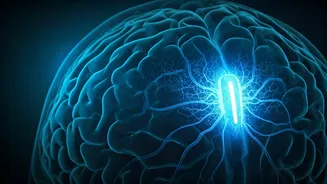








Unlocking Potential Through BCIs
Brain-computer interfaces (BCIs) are emerging from the realm of science fiction to offer tangible solutions for individuals facing significant neurological
challenges. These systems work by capturing electrical signals generated by the brain and translating them into actionable commands that digital devices can understand. This capability opens doors to a range of applications, from enhancing communication to controlling prosthetic limbs or navigating assistive technologies like wheelchairs. There are two primary approaches to BCIs: non-invasive methods, which use external devices like EEG headsets to monitor brain activity, and invasive systems that require surgical implantation directly onto the brain's surface. The latter, in particular, are attracting considerable attention and investment due to their potential to restore functions such as speech and motor control after debilitating events like strokes or spinal cord injuries. Companies are actively developing these implantable devices, aiming to expand their reach beyond the current limited scope of clinical trials, hinting at a future market growth of billions of dollars.
Transforming Lives and Healthcare
The impact of BCIs on daily life for millions is profound. Over three billion individuals globally experience neurological conditions affecting movement, communication, or sensory abilities, including ailments like Parkinson's disease, epilepsy, stroke, and traumatic brain injury. BCIs offer a powerful avenue for improving their quality of life. Communication is a particularly promising area; recent studies show remarkable improvements in speech rates for paralyzed patients using BCIs, jumping from 15 words per minute to as high as 78 words per minute. Such advancements can significantly enhance a person's ability to engage in conversations, pursue employment, and maintain vital social connections. Beyond personal use, BCIs are also finding applications in sophisticated medical procedures, such as mapping brain activity during delicate surgeries to prevent damage to critical brain areas. Furthermore, ongoing research explores their utility in managing sleep disorders and aiding in rehabilitation, potentially leading to more effective diagnostic tools and treatment strategies in the future.
Navigating the Risks and Hurdles
Despite the immense promise, significant concerns accompany the advancement of BCI technology. Scientists highlight potential medical complications associated with implanted devices, such as bleeding, infection, inflammation, and the formation of scar tissue over time. A more alarming, yet critical, risk is the possibility of security breaches. Recent research suggests that malicious actors could potentially gain unauthorized access to sensitive neural data or even interfere with a user's thoughts and movements. Another substantial barrier is the prohibitive cost of these implants. With prices ranging from approximately $50,000 to $140,000 before accounting for ongoing care, they remain financially inaccessible for the vast majority of the population, raising serious questions about equitable access to this life-changing technology.
Ensuring Safe and Accessible Futures
Current progress in BCI technology is largely confined to rigorous clinical trials, where safety and efficacy are paramount in improving speech, movement, and communication. While non-invasive systems are more readily available, the deployment of invasive implants remains highly regulated. Simultaneously, researchers and policymakers are actively addressing the critical issues of privacy and data security. Some regions are beginning to enact legislation to safeguard neural data, though significant regulatory frameworks are still needed as these devices become more integrated into healthcare. For individuals and their families considering these technologies, staying informed and asking pertinent questions is crucial. This includes understanding the nature of the device (invasive vs. non-invasive), the long-term care requirements, data storage protocols, and whether the technology is part of a regulated trial. Crucially, more independent research is essential to fully understand the long-term physical and psychological impacts of permanent brain implants, and increased public funding alongside private investment could steer development towards safer and more accessible solutions for all.