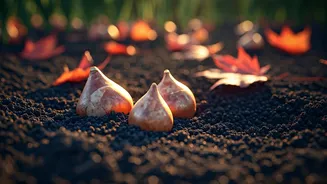







Autumn Planting Essentials
The key to a spectacular tulip display lies in planting the bulbs during the autumn months, after the soil has cooled sufficiently from summer's warmth.
Ideally, wait until nighttime temperatures consistently hover around the 40°F mark for about two weeks. This timing is crucial because tulip bulbs require a substantial period of cold, typically 10 to 14 weeks with temperatures below 55°F, to trigger their spring blooming cycle. The exact planting month varies by USDA hardiness zone: September is suitable for zones 3-5, October for zones 6-7, and November-December for zones 8-9. For those in warmer climates lacking this natural chilling period, purchasing pre-chilled bulbs and treating them as annuals is the recommended approach. This ensures that even in less-than-ideal winter conditions, your tulips will have the necessary cold exposure to develop.
Choosing the Ideal Spot
Selecting the perfect location for your tulip bulbs is paramount for their successful growth and vibrant blooms. Tulips thrive in full sun, requiring at least six hours of bright, direct sunlight each day during the spring growing season. However, in hotter climates, a bit of light afternoon shade can be beneficial to prevent scorching. The ideal soil is rich, well-draining, and has a pH level between 6.0 and 7.0, leaning towards neutral to slightly acidic. To enhance soil quality and provide essential nutrients, amend it with compost or bone meal. Alternatively, incorporating a balanced granular fertilizer, such as one with an NPK ratio of 10-10-10 or 10-15-10, at planting time will give your bulbs a robust start. Planting in groups of about 10 bulbs is often recommended to create a visually appealing mass of color.
Planting and Initial Care
Once you've identified the perfect spot and prepared the soil, it's time to plant your tulip bulbs. Dig holes to a depth approximately three times the height of the bulb, which generally falls between 4 to 8 inches deep. Space the bulbs two to five inches apart, depending on their size, ensuring the pointed end faces upward, as this is where the shoot will emerge. After placing the bulbs, cover them with soil and water thoroughly and deeply. Following this initial watering, additional watering is usually only necessary in dry regions or if rainfall or snowfall occurs less than every two weeks. The goal is to maintain moist soil without waterlogging, as excessive moisture can lead to bulb rot. Tulips prefer consistent moisture but are susceptible to rot if overwatered, so mindful watering is key.
Spring Feeding and Bloom Care
As your tulip bulbs begin to sprout in the spring, it's time for a second feeding. Apply a balanced bulb fertilizer or a granular option to provide the necessary nutrients for healthy growth and abundant flowering. Water them again with about an inch of water, but only if the soil has become dry. Remember, while tulips need moisture, overwatering can be detrimental, leading to drooping flowers and bulb rot. Keep an eye on the soil moisture levels and water accordingly. For those planting hybrid varieties, which are often single-season bloomers, it's typically recommended to dig up and discard the bulbs after they have finished blooming to make way for new plantings or other garden additions.
Protecting Against Pests
Tulip bulbs are a delectable treat for various garden pests, including chipmunks, squirrels, moles, and voles. To safeguard your precious bulbs from these hungry critters, consider several protective measures. One effective strategy is to enclose the planting area within chicken wire cages or lay a layer of chicken wire directly over the soil surface after planting. This physical barrier deters burrowing animals. Another natural deterrent is to plant allium species, such as onions or garlic, around your tulips; their strong scent often repels rodents. If these methods prove insufficient, a simple yet effective solution is to plant more bulbs than you initially need, ensuring a good display even if some are lost to pests.
Bulb Longevity and Varieties
The question of whether tulip bulbs return the following year depends largely on the variety planted and the growing conditions. 'Naturalizing' or 'species' tulips are more inclined to perennialize and multiply. These types tend to form smaller bulbets that spread over time, though even they may eventually dwindle after several years. Technically classified as perennials, many popular hybrid tulips are bred for single-season blooms and will not reliably return. However, certain varieties exhibit stronger staying power. Examples include Giant Darwin Hybrid tulips, which are known for their robust nature. Other long-lasting types include Emperor, Greigi, and Kaufmanniana varieties, which often provide reliable blooms year after year when grown in suitable environments. Letting the plants die back naturally before clearing dead foliage also supports bulb health for subsequent seasons.