

The Danger of Fake
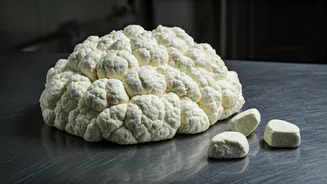
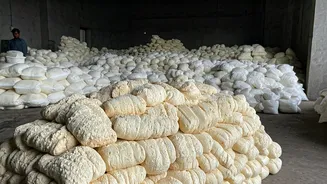
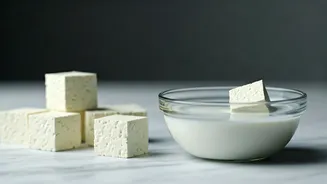
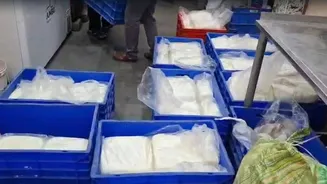
The presence of synthetic paneer in the market, highlighted by recent food safety seizures, raises significant health concerns. Unlike its nutritious counterpart,
counterfeit paneer can be laden with harmful chemicals, detergents, or starch fillers. Consuming these substitutes can lead to immediate digestive distress, food poisoning, or allergic reactions. Over prolonged periods, these substances may even compromise kidney and liver function, particularly affecting vulnerable groups like children and the elderly. Furthermore, fake paneer lacks the essential protein and nutrients that real paneer offers, making it a poor nutritional choice and a potential health hazard.
Iodine Starch Check
A common method for detecting adulteration involves a simple iodine test. Begin by taking a small portion of the paneer and boiling it in water for approximately five minutes. After allowing it to cool down, carefully add a single drop of iodine tincture to the cooled sample. Observe any changes in color; if the paneer turns a distinct blue or dark hue, it strongly suggests the presence of starch or other synthetic additives. This color transformation is a clear indicator that the paneer has been adulterated and is not of pure quality.
The Aroma Test
The olfactory sense can be a surprisingly effective tool in identifying authentic paneer. Genuine, freshly made paneer typically possesses a subtle, pleasant, and distinctly milky aroma. If, upon smelling, you detect any sourness, a chemical-like scent, or an unusually pungent odor, it's a red flag. Such an unpleasant smell could indicate that the paneer is either synthetic in nature or has begun to spoil, making it unsuitable for consumption.
Hand Pressure Test
Assessing the texture and firmness of paneer using your hands provides another straightforward diagnostic. Take a small piece of the paneer and gently attempt to mash or press it between your fingers. Authentic paneer, when subjected to mild pressure, tends to hold its shape reasonably well. In contrast, paneer that has been adulterated, often due to the inclusion of skimmed milk or synthetic agents, will likely crumble or break apart quite easily under the same pressure.
Arhar Dal/Soybean Powder
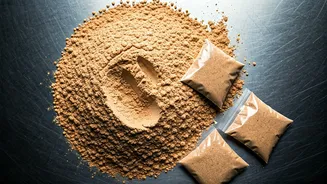
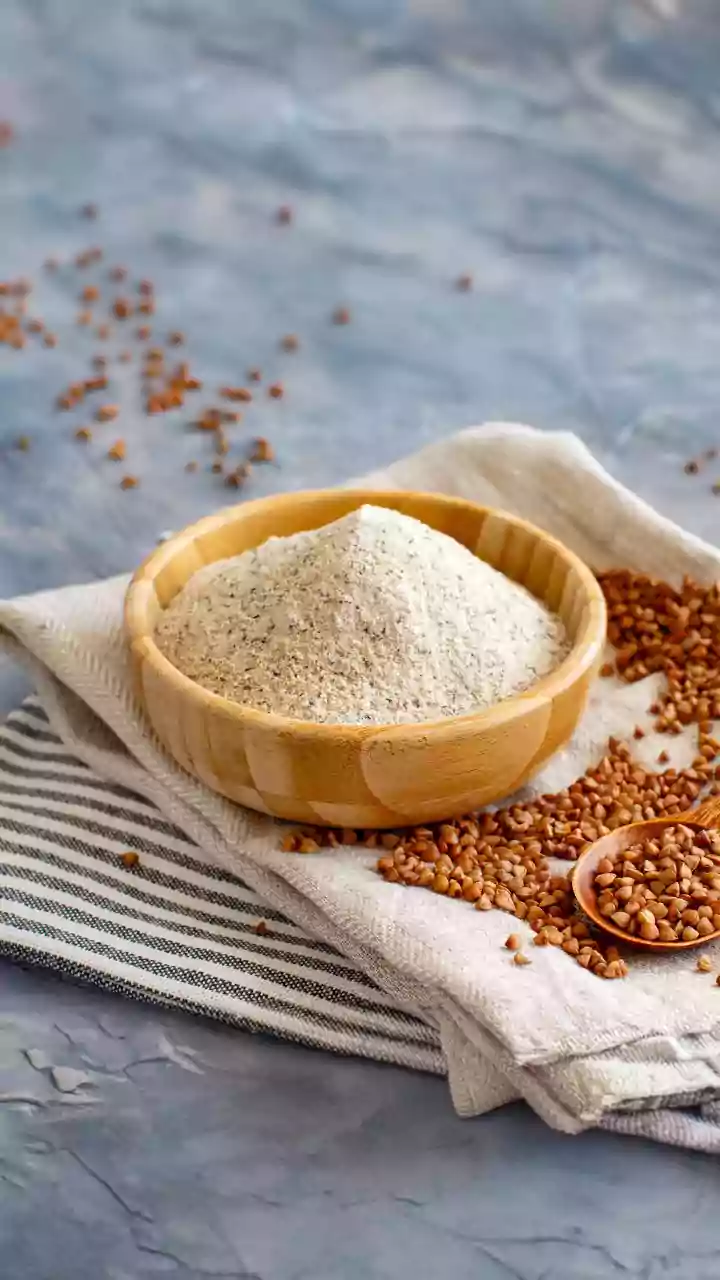
A more specialized test involves using common kitchen powders to reveal potential contaminants. Boil a sample of the paneer, and after it has cooled, sprinkle a small amount of either arhar dal (tur dal) powder or soybean powder onto it. Allow this mixture to sit undisturbed for about ten minutes. If the paneer reacts by turning red, this coloration is a significant indicator that the paneer may contain detergent or urea, which are common adulterants used in the synthetic production of paneer.
Sensory Taste Evaluation
Your taste buds can also help in discerning real from fake paneer. Take a very small bite of the paneer and chew it gently. Pure paneer should offer a fresh, mild, and pleasing milky flavor. If the paneer has a rubbery or chewy texture when eaten, or if it exhibits a slightly sour or generally off taste, these are warning signs. Such sensory feedback suggests that the paneer might be synthetic or otherwise compromised in quality.
Pan Heating Method
Observing how paneer behaves when heated can reveal its authenticity. Place a small piece of paneer in a heated pan. Real, pure paneer will typically brown slightly or might crumble into pieces as it cooks. However, if the paneer melts unevenly, releases an excessive amount of water, or exhibits other unusual reactions during heating, it is likely due to impurities or synthetic ingredients, indicating it's not genuine.