





Review Methodology
The research methods involved in this study were comprehensive and rigorous, aiming to provide a clear picture of the connection between frozen fruit and heart
health. Scientists employed a variety of techniques to conduct the study. The review involved an analysis of existing literature, including clinical trials and observational studies, to gather and evaluate data on the impact of frozen fruit consumption. Researchers utilized both quantitative and qualitative methods, such as statistical analysis and surveys, to gather and interpret data. This multifaceted approach was designed to guarantee that the results were reliable and represented an extensive view on the topic. The meticulous design permitted researchers to identify the crucial impacts of frozen fruit on cardiovascular health, ensuring an evidence-based approach to the findings.
Revealing Study Findings
The study's findings highlighted several critical outcomes regarding the benefits of frozen fruit on heart health. The review showed a strong association between eating frozen fruit and decreased risk factors for heart disease. Participants who included frozen fruit in their diets exhibited enhanced cholesterol profiles, with lower levels of LDL cholesterol, often called “bad” cholesterol, and higher levels of HDL cholesterol, known as “good” cholesterol. Moreover, the study revealed a reduction in blood pressure among those who regularly consumed frozen fruit. The researchers indicated that these beneficial effects could be attributed to the high concentration of nutrients in frozen fruit, including antioxidants, vitamins, and fiber, which work synergistically to enhance cardiovascular function. The positive effects of frozen fruit consumption extended to broader indicators of cardiovascular health, providing comprehensive evidence supporting its benefits.
Expert Recommendations
The insights gained from this review led experts to provide several important recommendations for incorporating frozen fruit into a heart-healthy diet. Professionals suggest that consuming a variety of frozen fruits is vital to obtain a comprehensive range of nutrients. Experts recommended that the consumers should add frozen fruit to smoothies, oatmeal, yogurt, or eat it directly as a quick snack. They emphasized the need to choose frozen fruit without added sugars or preservatives to maximize health benefits, opting for plain frozen fruit or fruits packed in their own juices. Furthermore, experts suggested that consumers should integrate frozen fruit into their diets regularly, establishing a pattern that supports long-term cardiovascular well-being. These suggestions aim to guide individuals to make practical, evidence-based dietary choices, maximizing the advantages of consuming frozen fruit for improved heart health.
Everyday Application
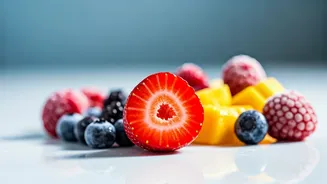
Applying the findings of this review to everyday life is straightforward and can significantly improve heart health. People can easily integrate frozen fruit into their daily routines. They can start their day with a smoothie made from frozen berries or add frozen mango chunks to their morning oatmeal. During lunch, individuals can bring a portion of frozen fruit as a healthy snack, avoiding less healthy alternatives. For dinner, consider adding frozen fruit to desserts or side dishes, adding flavor and nutrients to the meal. Making these minor dietary modifications is an easy and effective way to promote heart health. It is also important to consider frozen fruit as a part of a wider healthy lifestyle. Combine eating frozen fruit with routine physical activity, avoiding smoking, and reducing stress, for even greater advantages to their cardiovascular health.