





Sprinkle, Don't Cook
Actor Suniel Shetty, known for his dedication to fitness, shared an interesting tidbit about his eating habits: he’s very precise about how he uses salt.
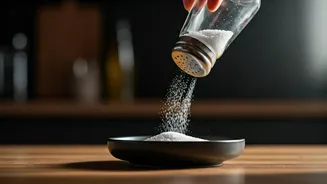
Instead of incorporating it during the cooking process, Shetty prefers to sprinkle salt on his food after it's prepared. He specifically mentioned, 'No pink one for me. Regular salt for me,' in a podcast conversation. This preference raises a pertinent question: does this method of adding salt at the end actually contribute to managing overall sodium consumption? Dietitians confirm that adding salt post-cooking can indeed be a helpful strategy. When salt is added during the cooking phase, it permeates the food, flavoring it throughout. However, when applied to the surface, the taste buds detect the salt more readily, allowing for a similar sense of saltiness with a reduced quantity. This technique can aid individuals in controlling their daily salt intake without the perception of their meals being bland, making it a practical approach for reducing overall sodium consumption.
Salt Types: A Myth
The ongoing debate about the health benefits of different types of salt, particularly regular table salt versus pink Himalayan salt, often leads to confusion. However, from a health perspective, both these salts are fundamentally composed of sodium chloride. While pink salt is often touted for containing trace minerals, the quantities present are exceptionally small and do not offer significant nutritional advantages over regular salt. Dr. Amreen Sheikh, a chief dietitian, emphasizes that the body will still process the sodium from either type of salt. Therefore, the focus should not be on differentiating between regular and pink salt based on perceived health benefits. Instead, the crucial factor for maintaining a healthy diet lies in controlling the total amount of salt consumed, irrespective of its origin or color. Prioritizing quantity over type is the more impactful strategy for managing sodium intake and supporting overall well-being.
Daily Intake Limits
For the general adult population, a recommended daily salt intake limit is approximately one teaspoon, sourced from all food items consumed throughout the day. This guideline serves as a general target for maintaining healthy sodium levels. Individuals who are managing specific health conditions, such as high blood pressure, heart issues, or kidney problems, must exercise even greater caution regarding their salt consumption. Simple yet effective practices can significantly contribute to adhering to these limits. These include sprinkling just a pinch of salt onto food after it has been cooked, opting for fresh, unprocessed food items over pre-packaged goods which often contain hidden sodium, and importantly, tasting your food before automatically reaching for the salt shaker. Implementing these mindful habits can collectively assist individuals in maintaining a healthy dietary sodium balance and supporting their overall health.