






Kidneys Need Stability
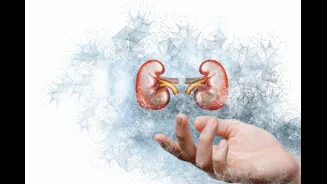
Observed on the second Thursday of March, World Kidney Day strives to elevate global awareness about kidney health and the prevention of kidney disease.
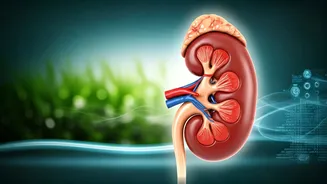
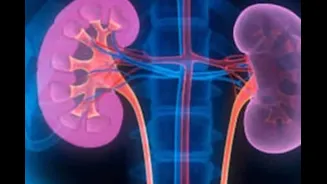
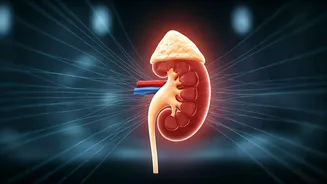
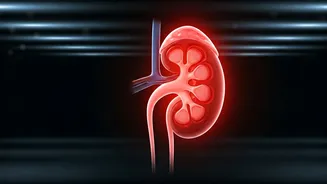
This year's theme, 'Kidney Health For All,' underscores the widespread impact of these vital organs. Chronic kidney disease (CKD) is a growing concern, affecting approximately one in every ten individuals globally. A major challenge is that CKD often progresses undetected due to subtle initial symptoms, making early screening paramount. The World Health Organization reports over 850 million people worldwide grapple with some form of kidney disease, a figure significantly higher than diabetes, cancer, or HIV/AIDS cases. From a lifestyle perspective, fasting—periods of prolonged abstinence from food and sometimes fluids—presents a considerable challenge for those with compromised kidney function. While healthy individuals can often tolerate short fasts, nephrologists strongly advise caution for kidney patients, as steady hydration and stable body chemistry are essential for kidney well-being. Long intervals without sustenance or fluids can negatively impact kidney function, underscoring the need for careful consideration before undertaking any fasting regimen.
10 Warning Signs
For individuals managing kidney disease, adhering to a fasting routine necessitates vigilance for specific warning signs that indicate the body is under undue stress. If any of the following symptoms manifest during a fast, it is imperative to cease fasting immediately and seek urgent medical attention. These critical indicators include persistent dizziness, unusual and profound exhaustion, noticeable swelling in the feet or face, a significant decrease in urine output or the appearance of unusually dark urine, involuntary muscle cramps, a rapid or racing heartbeat, feelings of nausea, episodes of confusion, and noticeable shortness of breath. Recognizing these signs promptly can prevent severe complications and ensure timely intervention from healthcare professionals, safeguarding kidney function and overall health during periods of restricted intake.
Risks for Impaired Kidneys
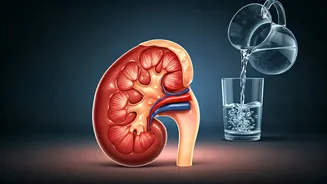
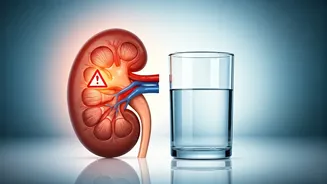
Individuals with diminished kidney function or existing kidney-related ailments must exercise extreme caution regarding fasting. Dehydration, a common consequence of prolonged fasting without adequate fluid intake, poses a significant threat. Even mild dehydration can strain the kidneys, and for those with pre-existing kidney conditions, this stress is amplified due to already reduced functionality. Symptoms like persistent thirst and unusual fatigue during a fast can signal that the kidneys are struggling to maintain fluid balance. Furthermore, patients undergoing dialysis face unique challenges; their fluid, blood pressure, and electrolyte levels are meticulously managed through specific treatment schedules. Fasting can disrupt this delicate equilibrium, leading to dizziness, weakness, and dangerous blood pressure fluctuations. For individuals with advanced CKD (Stage 4 or 5), the body's ability to cope with abrupt changes in food or fluid intake is significantly impaired, making fasting particularly ill-advised as it can destabilize electrolyte balance and exacerbate symptoms. Similarly, those recuperating from acute kidney injury, infection, surgery, or recent hospitalization require proper nutrition and hydration to heal, making fasting counterproductive during such periods.
Transplant & Early Stages
Kidney transplant recipients are strongly advised against fasting due to their reliance on a strict medication regimen. Anti-rejection drugs, crucial for the success of the transplant, are typically administered at precise daily intervals. Fasting can interfere with these schedules, potentially altering medication levels and compromising the effectiveness of the treatment, thereby jeopardizing the transplanted kidney. On the other hand, the scenario for individuals in the early or mild stages of kidney disease presents a more nuanced picture. While complete avoidance of fasting might not always be necessary, careful planning and consultation with a nephrologist are essential. During non-fasting periods, gradual and consistent hydration, rather than excessive intake at once, is recommended. Meals should be balanced, with a focus on avoiding excessively salty foods that can induce thirst and lead to dehydration. Any planned fasting for those with early-stage kidney disease must be discussed with a medical doctor to ensure it is safe and to avert potential medical emergencies.