
Understanding World Cancer Day
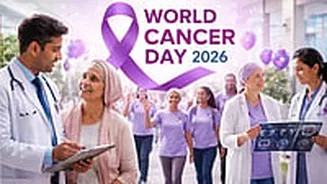
World Cancer Day, observed annually on February 4th, serves as a critical global observance dedicated to increasing awareness and understanding surrounding
cancer, a disease that profoundly impacts millions worldwide. Beyond the physical toll, cancer significantly affects individuals' emotional and social well-being. This pivotal day, spearheaded by the Union for International Cancer Control (UICC), strives to shed light on the disease, work towards dismantling the stigma associated with it, and champion the cause of accessible, high-quality care for all affected individuals. The overarching message of World Cancer Day 2026 is a powerful reminder that heightened awareness coupled with prompt, decisive action can indeed be life-saving, fostering a collective commitment to a healthier future.
A History of Solidarity
The origins of World Cancer Day trace back to February 4, 2000, when it was first inaugurated during the World Summit Against Cancer held in Paris. This foundational event saw the adoption of the Charter of Paris Against Cancer, a document that underscored the profound importance of dedicated research, proactive prevention strategies, and a steadfast commitment to patient-centered care. Over the ensuing years, this initiative has blossomed into a far-reaching global movement. It actively inspires individuals and organizations to take meaningful steps in the fight against cancer, fostering a platform where personal stories from patients, their dedicated caregivers, and diligent healthcare providers can be shared, creating a powerful tapestry of shared experience and collective resolve.
The 'United by Unique' Theme
The theme for World Cancer Day 2026, 'United by Unique,' marks the second year of a comprehensive three-year initiative running from 2025 to 2027. This campaign adopts a distinctively people-centered perspective, acknowledging that while the ultimate objective of enhanced cancer care is a universally shared goal, the individual journey of each patient is inherently distinct. These experiences are intricately shaped by a confluence of medical realities, profound emotional landscapes, and multifaceted social circumstances. Consequently, the 'United by Unique' campaign actively encourages several key actions: it urges active listening to the lived experiences of patients, advocates for healthcare systems that are both equitable and deeply compassionate, and crucially, endeavors to move beyond mere awareness to spur tangible, impactful action that makes a real difference in people's lives.
Significance in the Fight
World Cancer Day 2026 holds considerable importance, serving as a vital global reminder that cancer is not solely a medical affliction but a pervasive human challenge demanding a united response. Its significance is deeply rooted in its ability to amplify awareness regarding the critical importance of early detection, encouraging the adoption of preventative measures through healthier lifestyle choices, and actively working to diminish the pervasive stigma often associated with cancer. The day critically draws attention to the imperative need for equitable and affordable access to treatments, particularly for populations in developing nations like India, where disparities in healthcare access can be pronounced. Furthermore, it provides a powerful platform for patients, survivors, their caregivers, and healthcare professionals to voice their experiences, reinforcing the understanding that every cancer journey is unique and deserving of personalized attention and support.
Empowering Through Awareness
Combating cancer effectively relies heavily on raising awareness and empowering individuals with knowledge. A cornerstone of this is the early detection of symptoms; being attuned to subtle bodily changes such as persistent lumps, alterations in moles, a chronic cough, or unexplained prolonged fatigue is crucial, as early consultation significantly enhances treatment success rates. Equally vital are regular health screenings and check-ups, which play an indispensable role in identifying cancer at its nascent stages, thereby mitigating risks and substantially improving prognoses. Adopting a healthy lifestyle is paramount, involving a conscious decision to avoid tobacco and limit alcohol consumption, maintaining a balanced and nutritious diet, engaging in regular physical activity, and diligently limiting exposure to harmful UV radiation. Finally, actively debunking myths and misinformation surrounding cancer, relying instead on verified information, and participating in community awareness programs are essential collective actions that strengthen our defense against the disease.
Proactive Prevention Strategies
Taking proactive steps towards cancer prevention can dramatically reduce an individual's risk. Central to this is embracing a balanced diet, which means prioritizing the consumption of abundant fruits, vegetables, whole grains, and lean proteins while significantly reducing intake of processed and junk foods. Making a firm commitment to say no to smoking is one of the most impactful decisions one can make, as quitting tobacco dramatically lowers cancer risk across various types. Limiting alcohol consumption is also crucial, as excessive drinking is linked to an increased risk of developing cancers of the liver and throat, among others. Furthermore, protecting one's skin by consistently using sunscreen and wearing protective clothing is vital in preventing skin cancer, especially with increasing awareness of UV damage. These preventive measures, when adopted collectively, form a powerful shield against the disease.