





The Token Dilemma
Andrej Karpathy, formerly at the helm of AI at Tesla and a co-founder of OpenAI, has voiced a peculiar form of digital unease. This anxiety stems from
an underutilization of AI tokens, a concern that strongly echoes his experiences as a PhD student. Back then, Karpathy would feel a prickle of worry when his powerful GPUs sat idle between research experiments, signifying wasted computational potential. Now, the concern has shifted from raw processing power to the discrete units that measure interaction with advanced AI models. Tokens, which roughly equate to four characters of text, have become the new currency of AI engagement. For Karpathy, failing to utilize his full allocation of tokens feels akin to a missed opportunity, a sign that he hasn't pushed the AI's capabilities to their maximum potential. This sentiment suggests a profound internalization of token consumption as a critical performance indicator, much like an athlete meticulously tracking their repetitions or a financial professional monitoring their investment positions. The feeling of 'subscription left over' is what drives this concern, signifying a lack of maximized token throughput.
Strategic Tool Switching
To combat this burgeoning 'token anxiety,' Karpathy has adopted a pragmatic and dynamic approach: fluidly switching between different AI platforms. When one service, such as Codex, approaches its usage limit or quota, he seamlessly transitions to another, like Claude. This strategy isn't merely about avoiding service interruptions; it fundamentally reflects a deep-seated perception of AI token consumption as a key performance metric. It signifies that Karpathy isn't simply experimenting with these cutting-edge tools in a casual manner. Instead, he has integrated the concept of token efficiency into his workflow, viewing it as essential as an athlete measures their physical exertion or a trader assesses their market exposure. This active management of AI resources underscores a shift in how computational power and AI interaction are valued and utilized in professional contexts, moving beyond simple access to a focus on maximizing output and value from every digital interaction.
From Overwhelmed to Offense
This current mindset represents a significant evolution from Karpathy's perspective just a few months prior. In December, he famously shared his feeling of being "behind as a programmer," describing the advent of AI tools as a "magnitude 9 earthquake" and an "alien tool handed around with no manual." This earlier sentiment, which resonated widely within the tech community, raised questions about the accessibility and comprehensibility of these powerful new technologies for everyone, not just seasoned experts. The widespread concern was that if a figure like Karpathy felt lost, what hope did others have? However, the recent focus on token anxiety marks a distinct pivot. He's no longer feeling overwhelmed by what he might be missing out on; instead, the discomfort now arises from the possibility of not fully leveraging what's available. This shift from a feeling of being outpaced to one of actively seizing opportunities demonstrates a more proactive and assertive engagement with the evolving AI landscape.
Industry-Wide Calculus
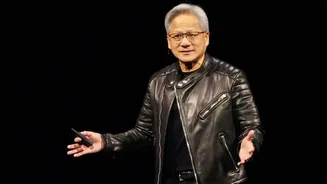
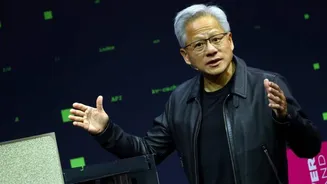
Karpathy's perspective on maximizing AI token usage isn't an isolated viewpoint; it's increasingly becoming a shared sentiment within the tech industry. Nvidia's CEO, Jensen Huang, has publicly predicted that engineers commanding high salaries, such as $500,000 annually, are expected to allocate a substantial portion, approximately $250,000, towards AI token expenditure. This projection points to a significant recalibration of priorities and value systems within the modern tech economy. It suggests that the intensity with which an individual or organization utilizes their AI budget is rapidly becoming an indicator of their innovation and productivity, paralleling the emphasis previously placed on personal work ethic and dedication. In essence, pushing the boundaries of AI utilization is emerging as a critical factor in the new Silicon Valley equation, redefining what it means to be a productive and forward-thinking professional in the age of artificial intelligence.