





Gut-Brain Axis Explained
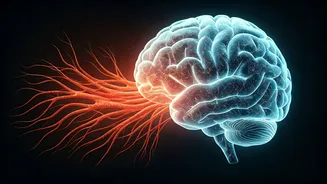
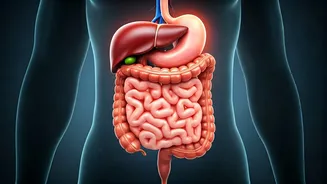
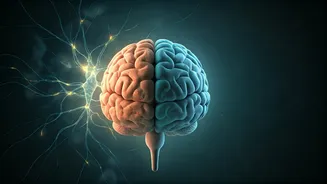
The gut-brain axis is a fascinating, two-way communication highway linking your digestive system and your brain. This intricate network means that your gut health
can directly influence your mood, cognitive functions, and even your immune responses, while your brain's state, such as stress or anxiety, can conversely impact your gut. Maintaining a robust and balanced gut microbiome is therefore crucial for overall health and well-being, playing a significant role in how you feel emotionally and mentally on a daily basis. When this connection is optimized, it can lead to enhanced mental clarity, more stable moods, and a greater sense of general wellness. This article delves into specific foods that can nurture this vital link, fostering a healthier internal dialogue between your gut and your brain for tangible benefits.
Probiotic Powerhouses
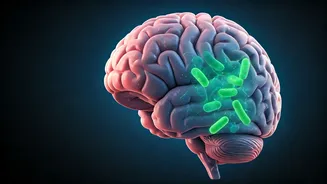
Yogurt and other fermented delights are champions for nurturing the gut-brain axis, primarily due to their rich probiotic content. Probiotics are beneficial live bacteria that colonize the gut, actively improving its health and helping to quell inflammation. This gut flora enhancement doesn't just stay localized; studies suggest a strong link between a healthy gut and improved mood regulation, potentially reducing feelings of anxiety. Beyond yogurt, consider incorporating other fermented foods like kimchi, sauerkraut, and kefir into your diet. These are also packed with probiotics that support a diverse and thriving gut microbiome, contributing to a more balanced internal environment that positively influences brain function and emotional well-being.
Brain-Boosting Nutrients
Certain foods are nutritional powerhouses that directly support both brain health and gut function, fostering a stronger gut-brain connection. Walnuts, for instance, are an excellent source of omega-3 fatty acids, which are fundamental for optimal brain function and possess significant anti-inflammatory properties. They also contain antioxidants that act as protectors for delicate brain cells, shielding them from damage. Turmeric, a vibrant spice, owes its benefits to curcumin, a potent compound lauded for its remarkable anti-inflammatory and antioxidant effects, which have been shown to positively impact mood and enhance cognitive performance. Including these nutrient-dense foods can significantly contribute to reducing inflammation throughout the body, including the brain, and supporting clear thinking.
Mood and Focus Foods
Dark chocolate, particularly varieties with a high cocoa content, offers more than just a delightful taste. It's rich in flavonoids, a type of antioxidant that enhances blood flow to the brain, which is crucial for cognitive function and can help protect brain cells from oxidative stress. Furthermore, dark chocolate contains compounds that can naturally elevate mood. Alongside dark chocolate, incorporating fiber-rich foods like fruits, vegetables, and whole grains is essential. These act as fuel for the beneficial bacteria in your gut, promoting a healthy gut environment. Lean proteins are also vital, as they provide the building blocks for neurotransmitters, chemical messengers critical for brain function, mood regulation, and overall mental well-being.
Holistic Dietary Habits
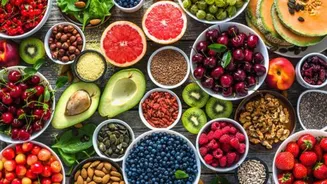
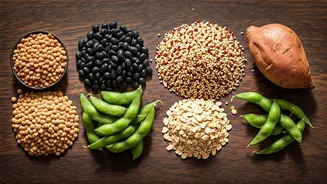
To truly fortify your gut-brain axis, a holistic approach to your diet is key. Prioritize foods that are inherently anti-inflammatory, such as berries and leafy greens, alongside the already mentioned walnuts and turmeric. These choices not only aid in reducing brain inflammation, a precursor to many neurological issues, but also contribute to improved focus and a reduction in 'brain fog'. Additionally, focusing on nutrient absorption is paramount; a balanced gut ensures that essential nutrients like B vitamins and magnesium are efficiently taken up by the body, supporting cognitive processes. Opting for whole grains, oats, and lentils contributes to this by providing sustained energy and aiding nutrient assimilation, thereby enhancing overall brain function and resilience.