





A Taste of Tradition
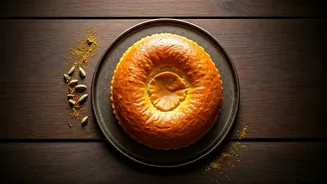
As South India ushers in the New Year with Ugadi, a cherished tradition involves a delectable sweet flatbread, known by various names such as Obbattu,
Bobbatlu, and Polelu. This golden delicacy, typically crafted with a filling of chana dal and jaggery, lies at the heart of the celebratory feast, symbolizing fresh starts and shared joy. While the core ingredients remain consistent, regional nuances add unique textures and subtle flavor profiles to this beloved treat, ensuring it remains a comforting and integral part of the New Year's culinary landscape across different households and communities.
Karnataka's Obbattu
In the state of Karnataka, this festive delight is popularly called Obbattu, or sometimes Holige. It's characterized by its soft, thin flatbread exterior, generously brushed with warm ghee once prepared, adding a rich aroma and sheen. The filling, a smooth blend of chana dal and jaggery, is masterfully balanced, often with a subtle hint of spice, focusing on harmonizing flavors rather than overpowering sweetness. The emphasis here is on achieving a delightful interplay of textures between the yielding dough and the luscious filling, creating a satisfying culinary experience that is both comforting and subtly celebratory, embodying the spirit of Ugadi.
Richness of Bobbatlu
Moving to other regions, Bobbatlu presents a slightly richer and often a bit thicker rendition of the same festive flatbread. The sweetness in Bobbatlu tends to be more pronounced, and the dough itself might be considered a touch more indulgent, contributing to its decadent feel. It is typically served piping hot, often with a dollop of melted ghee to enhance its luxurious taste. Bobbatlu holds a special place as a quintessential festive essential, frequently being the very first sweet dish presented to mark the auspicious occasion of the New Year, making it a highlight of the Ugadi meal.
Subtle Polelu Nuances
In many Telugu-speaking households, the sweet bread is referred to as Polelu, a term often used interchangeably with Bobbatlu, reflecting the fluidity of culinary traditions. However, within families, subtle distinctions can emerge, perhaps in the dough's thickness, the specific way it's folded before cooking, or even unique preparation methods passed down through generations. These personal touches, though seemingly minor, contribute to the individuality of each household's creation, adding a layer of personal history and culinary legacy to the Ugadi celebration. Despite these variations, Polelu, like its counterparts, embodies the spirit of renewal and shared festivity.
A Symbol of Renewal
Ultimately, this sweet flatbread, regardless of its name or specific preparation, serves as a powerful symbol of new beginnings, echoing the essence of Ugadi. Its warm, layered nature and the act of sharing it embody the festive mood of the occasion. While it often appears alongside the symbolic Ugadi pachadi, a mixed chutney representing the six tastes of life, this sweet bread carves out its own significant presence. It stands as a beloved comfort food, a vessel of cherished memories, and a true emblem of celebration, bringing together families and communities to welcome the year ahead.