





Unpacking the Puff
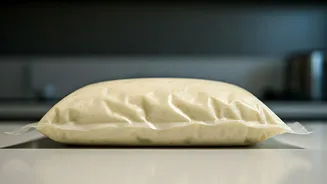
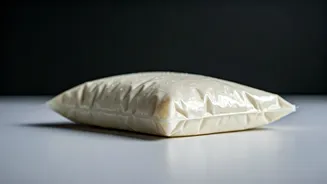
Paneer, a beloved fresh cheese, can sometimes present a puzzling sight: a swollen, bulging packet. This phenomenon, often occurring even within the expiry
date and with proper refrigeration, has led to consumer concern and viral discussions. Unlike many other processed foods, paneer's inherent characteristics – its high moisture content and minimal preservatives – make it more susceptible to changes that can lead to packet expansion. Understanding the underlying reasons is crucial for consumers to differentiate between a minor packaging anomaly and a sign of spoilage, ensuring they consume only the freshest and safest product. This article aims to demystify the reasons behind this puffing and equip you with the knowledge to assess paneer quality confidently.
Microbial Gas Production
The most frequent culprit behind a puffed paneer packet is the unintended activity of microorganisms. Paneer, being a fresh dairy product, provides a fertile ground for bacteria if exposed to suboptimal temperatures. When spoilage bacteria proliferate within the sealed packaging, they metabolize components of the paneer, releasing gases as a byproduct. These gases, unable to escape the sealed environment, accumulate and cause the packet to distend. Food safety experts frequently point to this microbial gas generation as a primary indicator of early spoilage. Therefore, a visibly puffed packet should be treated with caution, as it signals that the paneer may no longer be safe for consumption.
Cold Chain Disruptions
Maintaining a consistent, low temperature is paramount for paneer's shelf life. Any interruption in this critical 'cold chain' – the continuous refrigeration from manufacturing to the consumer's hands – can significantly accelerate bacterial growth. This can occur at various stages: during transportation in inadequately cooled vehicles, at the retail level if refrigeration units malfunction or if products are stored outside chillers for extended periods, or even during a brief delay before a consumer places the product in their refrigerator after purchase. Even short periods of warmth can be enough to trigger microbial activity that leads to gas production and packet swelling, highlighting the importance of a robust and unbroken cold supply system.
Natural Fermentation Processes
Beyond the influence of spoilage bacteria, the natural composition of paneer can also contribute to packet puffing through a process akin to fermentation. Paneer contains lactose, a natural sugar found in milk. Under certain conditions, particularly if the temperature fluctuates, naturally occurring bacteria within the paneer can begin to ferment this lactose. This fermentation process yields gases, which, much like those produced by spoilage bacteria, become trapped within the sealed packaging. This can lead to the packet expanding, even if the paneer hasn't yet developed obvious signs of spoilage, making it a subtler cause of puffing.
Packaging Imperfections
While less common, minor flaws in the packaging itself can sometimes contribute to the appearance of a puffed paneer packet. These imperfections might include microscopic leaks or seal weaknesses that are not readily apparent to the consumer. Such subtle breaches in the seal can allow airborne bacteria to enter the packet. Once inside, these bacteria can proliferate and produce gases, leading to expansion. Paradoxically, these same imperfections might still allow some of the produced gases to escape, or they might trap gases internally. In situations where manufacturers retain control samples, these often remain normal, suggesting that issues related to packaging integrity might manifest more during distribution or storage rather than at the point of origin.
Home Quality Checks
Ensuring the freshness and safety of paneer at home is straightforward with a few simple observational tests. Firstly, always inspect the packaging; any signs of bulging, unusual tightness, or significant swelling are clear red flags indicating potential microbial activity and should prompt you to avoid consumption. Secondly, rely on your sense of smell. Fresh paneer possesses a neutral, clean aroma, whereas any sour, acidic, or yeasty smell signifies spoilage. Thirdly, assess the texture: it should feel firm yet yielding. A rubbery or overly bouncy consistency might suggest the presence of added starch or lower quality. For a more definitive check, the iodine test can reveal added starch – a blue or black discoloration upon application indicates adulteration. Finally, a warm water test where a cube of paneer softens naturally, rather than crumbling or shedding residue, further confirms its freshness.