






Age-Related Shifts
Many seasoned runners in their 40s express surprise at how much more challenging their runs have become, often attributing it to a sudden decline in aerobic
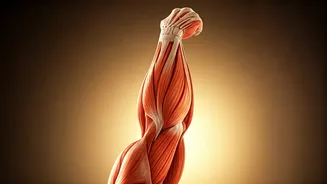
capacity. However, the reality is often more nuanced. While VO2 max does decrease incrementally with age (around 5-10% per decade if inactive), consistent training significantly mitigates this. The primary culprits for the increased perceived effort are typically not respiratory, but rather changes in muscular strength, power, and tissue resilience. Expect a gradual loss of fast-twitch muscle fibers, a potential decrease in overall muscle mass if strength training isn't maintained, reduced elasticity in tendons, and a need for longer recovery periods between intense efforts. Furthermore, cumulative life stressors like demanding careers and family responsibilities can exacerbate fatigue. For men, hormonal shifts like declining testosterone and growth hormone can influence muscle maintenance and recovery. Women may experience perimenopausal symptoms that affect energy levels and sleep, alongside potential changes in collagen production impacting tendon resilience. These factors contribute to greater week-to-week performance variability, making fitness feel less predictable. The fundamental change isn't a loss of endurance, but rather a reduction in the body's ability to generate force and move with elasticity, making pace feel more demanding even at a similar heart rate.
The Mental Game
Beyond the physical transformations, a significant psychological shift often accompanies entering one's 40s that profoundly impacts the running experience. In younger years, fatigue is often perceived as a normal, temporary state that the body quickly overcomes. However, as we age, fatigue can be interpreted as a warning signal, prompting a more cautious mental approach. This decade often brings a heightened awareness of past injuries and a reduced faith in the body's ability to recover swiftly. Consequently, the effort involved in a run can feel mentally heavier, not just physically. This erosion of confidence, combined with the increased perception of physical exertion, can dramatically alter how every stride feels, transforming a once-effortless activity into a more daunting undertaking. Overcoming this mental hurdle is as crucial as addressing the physical changes.
Building Resilience
To counteract the physiological and psychological challenges of running in your 40s, a strategic shift in training focus is essential. Instead of solely prioritizing endurance, runners need to concentrate on building strength, power, tendon resilience, and enhancing recovery capacity. This proactive approach addresses the 'new bottlenecks' that emerge with age. For instance, single-leg strength exercises like Bulgarian split squats, step-ups, and single-leg squats are crucial for improving stride control and protecting joints, as running is fundamentally a series of single-leg landings. Targeting the posterior chain with exercises such as deadlifts, hip hinges, and hip thrusts/glute bridges is vital for maintaining propulsion power and improving running economy. Furthermore, developing calf and Achilles tendon capacity through controlled calf raises and plyometrics like pogo jumps and box jumps preserves the crucial 'spring' in your step and reduces injury risk. These strength and power-focused workouts should ideally be performed at the beginning of a session when the body is fresh, with dedicated sessions for single-leg and posterior chain work incorporated throughout the week.