





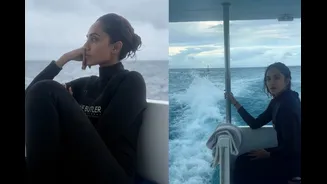
Hina Khan's Magical Dive
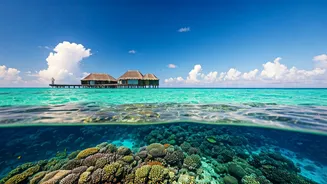
The Maldives, renowned for its serene beauty and luxurious resorts, offers a breathtaking spectacle beneath its crystal-clear waters. Its unique ring-shaped
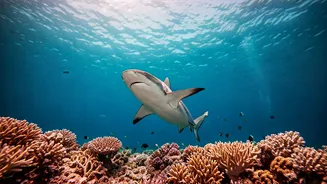
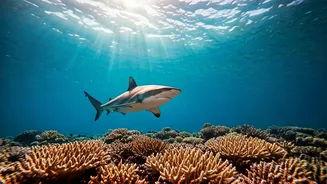
coral formations, known as atolls, serve as a sanctuary for a diverse array of marine life, including numerous shark species. Recently, actress Hina Khan embarked on an exhilarating diving adventure in these waters, culminating in an encounter with sharks that she eloquently described as "nothing short of magic." Sharing her experience on Instagram, Khan posted a video capturing her swim alongside these impressive marine predators. She described the feeling of swimming with sharks, which dwarfed her in size, as one of "sheer strength," emphasizing that true bravery lies in embracing the unknown. Khan posited that life itself is an uncharted territory, and purposeful engagement with it amplifies the sense of adventure, making these encounters a profound metaphor for facing life's challenges with courage and conviction. Her captivating narrative invites others to consider the exhilarating possibilities that await beneath the ocean's surface in this tropical paradise.
Fuvahmulah: Shark Haven
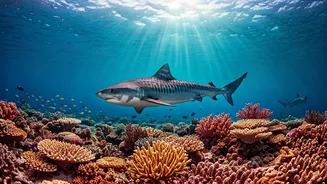
Often referred to as the Maldivian Galapagos, Fuvahmulah Atoll stands out as one of Asia's premier locations for shark diving, offering an unparalleled diversity of species. Divers here can anticipate encounters with formidable tiger sharks, distinctive hammerheads, and elusive thresher sharks. The atoll's waters are also frequented by silvertip sharks, graceful oceanic manta rays, and large congregations of barracudas, creating a dynamic underwater panorama. Beyond sharks, the marine ecosystem boasts an impressive array of other sea life, including vibrant yellowfin tuna, swift bonitos, and the impressive sailfish. For those seeking truly unique sightings, the possibility of spotting Mola mola (ocean sunfish) and even pilot whales adds another layer of excitement to the diving experience, making Fuvahmulah an unforgettable destination for any marine enthusiast.
Rasdhoo & South Male
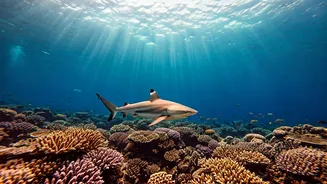
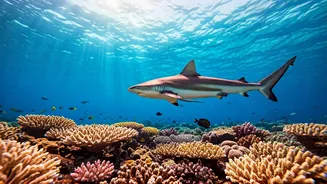
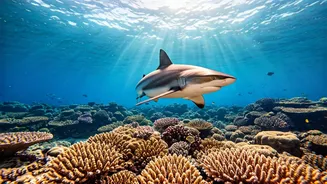
Rasdhoo Atoll presents a compelling combination of stunning beaches and rich marine biodiversity, making it an attractive destination for divers and beach lovers alike. This atoll is well-regarded for offering opportunities to observe elegant hammerhead sharks gracefully gliding through the waters, alongside majestic manta rays and vibrant schools of fish that create a dazzling underwater spectacle. The prime season for experiencing these marine encounters in Rasdhoo spans from January to April, providing a consistent window for incredible sightings. Complementing its natural allure, the South Male Atoll, despite its convenient proximity to the international airport, retains a remarkably tranquil atmosphere, characterized by its three understated local islands. This peaceful setting makes it an ideal choice for budget-conscious travelers and solo adventurers. Here, visitors can consistently spot grey and white-tip reef sharks, with the period between January and April being particularly opportune for observing these reef dwellers in their natural habitat.
South Ari & Vaavu Wonders
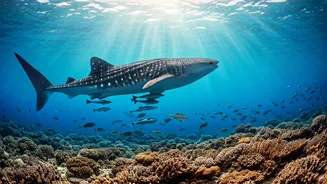
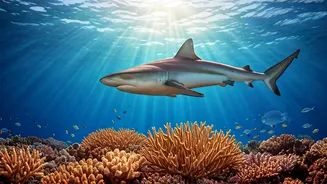
South Ari Atoll, while being one of the more developed regions in the Maldives, has masterfully preserved its natural charm, continuing to captivate visitors with its inherent beauty. A significant draw for this atoll is its consistent, year-round presence of gentle whale sharks, offering a remarkable opportunity for divers to witness these colossal filter feeders. Transitioning to Vaavu Atoll, this destination is celebrated for its unique geological formations, specifically its narrow reef channels through which powerful tidal currents flow. These dynamic aquatic pathways create perfect conditions for exhilarating shark diving experiences, particularly between the months of January and April. Divers in Vaavu can anticipate thrilling encounters with substantial aggregations of grey reef and white-tip reef sharks, often observed swimming in close proximity to vast schools of barracuda, snapper, and trevally, painting a vivid picture of a thriving marine ecosystem.
Huvadhoo's Seclusion
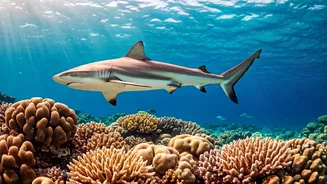
Huvadhoo Atoll stands out as one of the largest and most secluded atolls within the Maldivian archipelago, offering a sense of remote tranquility and unspoiled natural beauty. Situated nearly 50 kilometers away from its nearest island neighbors, Huvadhoo's outer reefs are directly influenced by the powerful currents of the open ocean, which ebb and flow through the surrounding waters. This constant movement of nutrient-rich water creates an ideal environment for a vast array of marine life. The expansive underwater spaces here are a haven for a significant diversity of shark species, with up to 13 different types recorded. Visitors have the chance to encounter majestic grey reef sharks, the enormous whale sharks, the unique nurse sharks, and the agile spinner sharks, among others. This remote atoll provides an exceptional opportunity for divers seeking to experience the raw, untamed power of the ocean and its magnificent inhabitants in a truly pristine setting.
Safe Diving Practices
Embarking on a diving adventure, especially one involving sharks, necessitates a strong emphasis on safety and responsible interaction with marine life. It is paramount to always engage with certified and reputable dive centers that adhere to stringent safety protocols and possess experienced guides. Maintaining a respectful distance from all marine animals, particularly sharks, is crucial to avoid startling them or disrupting their natural behavior. Under no circumstances should one attempt to touch, chase, or feed these creatures, as this can be detrimental to their well-being and poses a risk to the diver. Avoiding sudden movements and remaining calm throughout the dive are essential techniques for ensuring a safe and enjoyable experience. Following the dive leader's instructions at all times is non-negotiable, as they are trained to manage the dive effectively and ensure the safety of everyone involved. Adhering to these guidelines ensures both personal safety and the conservation of the incredible underwater environment.