



Ghee, Oil, Health
When individuals opt for a zero-oil or zero-fat diet, it's crucial to understand the implications for their bodies. Eliminating ghee and oils removes sources
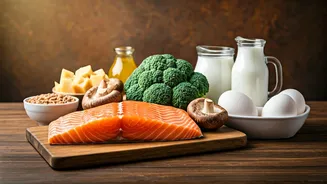
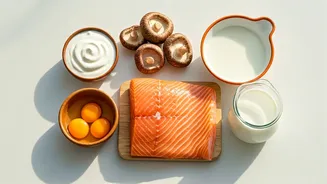
of vital nutrients. These fats are more than just providers of calories; they facilitate the absorption of fat-soluble vitamins like A, D, E, and K. Moreover, healthy fats contribute to hormone production, cell structure, and brain function. By restricting these fats, one risks nutritional deficiencies, particularly in the long run. Recognizing these potential issues is key to making informed dietary choices that support overall well-being. This shift could affect energy levels, skin health, and the body's capacity to function optimally.
Nutrients at Risk
Cutting out ghee and oils can lead to significant nutrient deficiencies. One of the primary concerns is the reduced intake of fat-soluble vitamins. These vitamins, crucial for various bodily functions, rely on fats for absorption. Vitamin A supports vision and immune function, while vitamin D plays a role in bone health and calcium absorption. Vitamin E acts as an antioxidant, and vitamin K is essential for blood clotting. Furthermore, essential fatty acids, such as omega-3 and omega-6, which are vital for brain health and reducing inflammation, are also often lacking in zero-oil diets. This dietary choice may lead to symptoms like dry skin, weakened immune response, and cognitive issues if not carefully managed and supplemented through other food sources.
Alternatives to Consider
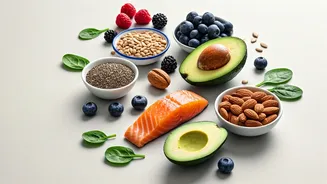
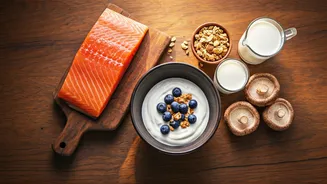
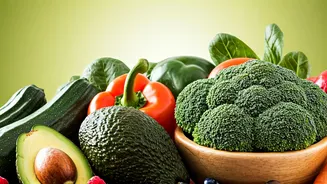
To maintain a healthy diet while minimizing oil and fat, focusing on nutrient-rich alternatives is essential. Avocados are an excellent source of healthy fats and can be used in various ways, such as in salads or as a spread. Nuts and seeds, like almonds, walnuts, and flaxseeds, provide healthy fats and essential nutrients. Including these in your snacks or meals ensures a good supply of these critical elements. Fatty fish like salmon and mackerel are rich in omega-3 fatty acids, crucial for brain health and reducing inflammation. When cooking, consider using non-stick cookware to reduce the need for added oils. These options support a balanced diet, helping to prevent nutritional deficiencies and promote overall well-being. A careful approach to dietary changes can ensure health is preserved.
Body Impact Overview
The body experiences several changes when ghee and oil are removed from the diet. The most immediate impact might involve reduced energy levels due to lower fat intake. Fats are a concentrated source of energy, and their absence can make individuals feel fatigued. Skin health may decline because fats help maintain moisture and integrity. Vitamin deficiencies could lead to a weaker immune system, making the body more susceptible to infections. Over time, inadequate intake of essential fatty acids can affect brain function and increase the risk of inflammation. However, the exact outcomes vary depending on the duration of the diet, the individual’s overall health, and how well the diet is balanced with other nutrient-rich foods. Consistent monitoring of these impacts can help individuals adjust their diet accordingly.
Making Informed Choices
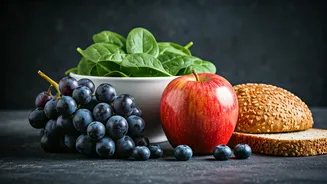
Navigating a zero-oil or zero-fat diet necessitates an informed approach. Prioritize whole, unprocessed foods. Embrace a diverse selection of vegetables, fruits, lean proteins, and whole grains to maximize nutrient intake. Consider consulting a healthcare professional or a registered dietitian. These experts can help assess your individual needs, identify any potential nutritional gaps, and offer guidance on appropriate supplementation if necessary. This professional assistance ensures the diet is both sustainable and healthful. Careful planning, coupled with expert guidance, helps avoid potential health pitfalls associated with restrictive eating habits. This approach ensures individuals get all their required nutrition.