






The Gate Assignment Mystery
Seeing 'seat assigned at gate' on your boarding pass can be a cause for concern, but it doesn't necessarily spell trouble for your flight. Aviation expert
Amit Mittal clarifies that this status typically arises from operational adjustments rather than any fault of the passenger. Instead of an immediate cause for alarm, it indicates that your specific seat will be finalized closer to the departure time. This situation often stems from last-minute changes in the flight's operational plan, such as the deployment of a different aircraft with a varied seating configuration. Understanding these behind-the-scenes adjustments can help alleviate anxiety and provide a clearer picture of what to expect when this message appears on your travel documents.
Aircraft Swaps Explained
One common reason for the 'seat assigned at gate' message is an aircraft swap. Airlines sometimes replace the originally scheduled aircraft with a different model, often a smaller one, which can reduce the total number of available seats. In such scenarios, the airline may prioritize certain passengers, such as the elderly, those traveling with infants, or unaccompanied minors, for confirmed seating. Other passengers might then be designated as 'seat assigned at gate' until the final boarding process allows for their allocation. This proactive approach ensures essential passenger needs are met while managing the seating logistics of the altered aircraft.
Cancellations and Reallocations
Flight cancellations are another significant factor that can lead to the 'seat assigned at gate' status. When a flight is canceled and passengers are rebooked onto alternative flights, those who already had confirmed seats on the new flight are usually given precedence. Passengers from the original canceled flight might find themselves assigned seats at the gate, contingent on the availability of space on the accommodating flight. This process prioritizes those with pre-existing confirmed bookings, and gate assignments are made to fill remaining spots efficiently after initial allocations have been made.
The Overbooking Factor
Airlines sometimes employ a strategy of overbooking, selling more tickets than there are seats available. This practice is based on historical data indicating that a certain percentage of passengers typically do not show up for their flights. When overbooking occurs, the airline might defer final seat assignments until the end of the boarding process. This allows them to gauge the exact number of no-shows and then assign seats to passengers who were initially marked as 'seat assigned at gate.' While modern systems often provide advance notifications for such situations, this remains a potential reason for delayed seat allocation.
Impact on Seat Preferences
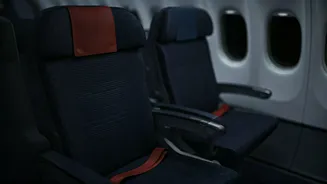
The 'seat assigned at gate' status can potentially affect your preferred seating arrangements. It's possible that a specific seat you desired, whether for extra legroom or a window view, might not be available. For larger groups or families, this could also mean being seated separately. While airlines generally endeavor to honor paid seat selections, unforeseen operational disruptions can sometimes override these prior arrangements. Passengers are typically notified about such changes, either at the airport or sometimes in advance, depending on the specific circumstances and the airline's procedures.
Proactive Passenger Steps
To mitigate the uncertainty associated with 'seat assigned at gate,' passengers can take several proactive measures. Arriving at the airport with ample time for check-in is advisable, allowing for earlier processing. Completing web check-in as soon as it becomes available is even better, as it often provides the earliest opportunity to select your preferred seat according to the airline's policy. For those who place a high value on specific seat types like aisle, window, or those with extra legroom, consider paying for seat selection at the time of booking. This significantly increases the likelihood of securing your desired seat.