








Hidden Health Hazard
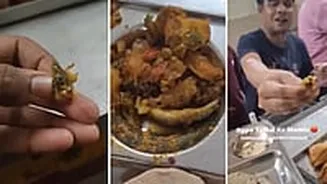
The beloved samosa, a ubiquitous Indian snack savored from railway stations to upscale eateries, often conceals a grim reality where hygiene is sacrificed
for profit. Recent revelations in Hyderabad have served as a stark reminder that this popular street food can transform into a serious health threat, eroding consumer trust. As urban populations swell and demand escalates, clandestine operations frequently resort to inferior ingredients and deceptive practices, jeopardizing the well-being of countless individuals. This unsettling incident compels consumers to adopt more discerning purchasing habits, urging them to scrutinize vendors, pose critical questions, and prioritize safety above cost savings when indulging in their favorite snacks.
Factory Raid Uncovered
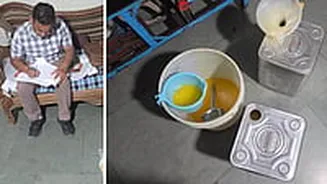
In a significant enforcement action, Hyderabad's Food Adulteration Surveillance Team (H-FAST), in collaboration with the Kulsumpura Police, successfully dismantled a large, illicit samosa production facility located in Jiyaguda. This operation was found to be running entirely without the requisite FSSAI licence, Trade Licence, or Fire Safety clearance. The proprietor, identified as 73-year-old Abdul Rasheed, was found to be using ingredients that were well past their prime and of substandard quality. Investigators meticulously documented the use of stale boiled eggs and cooking oil that had been recycled numerous times, practices that flagrantly violated safety regulations and presented a grave danger to public health. The scene was described by officials as 'grossly unhygienic,' falling far below any acceptable food preparation standards.
Seized Contaminated Stock
Authorities confiscated a vast quantity of contaminated items, essential raw materials, and manufacturing equipment, with an estimated value of approximately Rs 5 lakh. Among the seized goods were various samosa preparations, maida (refined flour), sweet corn, and other necessary supplies, along with the machinery used for production. Specifically, the haul included around 500 spoiled boiled eggs, 5 kg of reused cooking oil, 350 egg samosas, 600 sweet corn samosas, and 1000 onion samosas, detailing the extensive scale of the illicit operation. This extensive seizure underscores the magnitude of the public health risk that was being actively perpetuated by this unlicensed factory.
Legal Action Taken
Following the discovery, Abdul Rasheed, the owner of the illegal establishment, was apprehended. Legal proceedings were initiated against him under the relevant food safety legislation at the Kulsumpura Police Station. This raid, conducted under the watchful supervision of the Task Force and Food Safety Officers, was part of a broader initiative to combat such hazardous food production practices. Authorities have actively encouraged the local community to report any suspicious food vendors or establishments, emphasizing that ensuring consumer safety is a collective responsibility that requires active participation from all citizens.