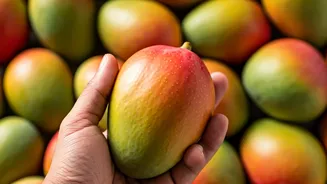



Vibrant, Uniform Colour
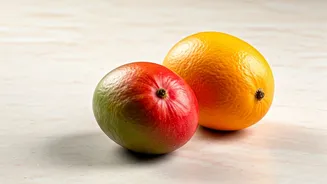
When mangoes are artificially ripened, they often display an unnaturally uniform and bright yellow or orange hue across their entire surface. Unlike naturally ripened fruits
that tend to have a more varied coloration, sometimes with green patches even when ripe, these chemically treated mangoes can look almost too perfect. This flawless, almost glowing appearance across the skin is a strong indicator that ripening agents may have been used to achieve such a vibrant look quickly, potentially compromising the fruit's natural development and flavour profile. It’s a visual cue that signals the need for closer inspection.
Absence of Sweet Aroma
A hallmark of a naturally ripened mango is its delightful, sweet, and distinctly fruity fragrance, especially noticeable when you bring it close to the stem. However, mangoes that have been subjected to chemical ripening processes often lack this characteristic scent or possess only a faint, almost unnoticeable aroma. If the fruit doesn't emit that rich, inviting smell you'd expect from a ripe mango, it's a significant clue that its ripening journey wasn't natural. This absence of a strong, sweet scent is a key indicator that the fruit might have been forced to ripen without developing its full aromatic potential.
Uneven Skin Texture
Artificially ripened mangoes can present a perplexing texture: some areas might feel soft and yielding, while other parts remain stubbornly hard. This inconsistency arises because chemical treatments often speed up the external ripening process, causing the skin and flesh near it to soften. However, the interior of the fruit may not have had enough time to mature properly, leading to pockets of hardness. When assessing a mango, a gentle press can reveal these disparities. A fruit that feels uniformly soft indicates a natural ripening process, whereas inconsistent firmness is a red flag for artificial intervention.
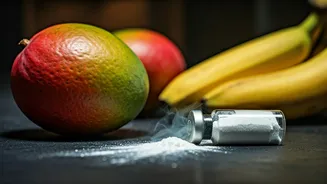
Suspicious Powdery Residue
A close examination of a mango's skin might reveal a subtle, powdery or chalky coating. This residue is often a sign that chemicals like calcium carbide have been applied to accelerate ripening. Even after washing the fruit, a slight trace of this substance can remain, serving as a warning sign. Such a powdery film suggests that the fruit was likely treated during its storage or transportation to hasten its readiness for sale. Always inspect the surface for any unusual coatings that deviate from the natural sheen of the fruit's skin.
Disappointing Bland Taste
While a chemically ripened mango might feel perfectly soft and appear ready to eat, its taste can be a significant letdown. These fruits often lack the natural sweetness and rich flavour characteristic of those ripened by nature. Instead, you might find the taste to be bland, watery, or even slightly bitter. This occurs because the chemicals force the ripening process without allowing the sugars to develop and mature properly. The result is a fruit that looks ripe but fails to deliver the expected sweet, juicy satisfaction, highlighting the difference between visual readiness and true ripeness.
Rapid Spoilage Signs
Mangoes that have been artificially ripened tend to have a much shorter shelf life compared to their naturally developed counterparts. They might start showing signs of spoilage, such as developing black spots or becoming excessively mushy, within just a day or two of purchase. This rapid deterioration is a consequence of the unnatural ripening process, which can weaken the fruit's cellular structure. If your mango seems to turn overripe unusually quickly, it's a strong indication that chemicals were used to speed up its ripening for market.
Unnatural Dark Markings
Be wary of mangoes that display dark or 'burn-like' marks on their skin. These blemishes are often irregular in shape and don't resemble the natural variations or minor imperfections you might find on a normally ripened fruit. Such dark patches can be a direct result of exposure to or improper application of certain chemicals used for artificial ripening. These marks are not just aesthetic concerns; they can also be indicative of chemical residues that could affect the fruit's safety for consumption, making them a significant warning sign.
Sudden Ripening Effect
Natural ripening is a gradual process, involving progressive changes in colour, texture, and aroma over time. If your mangoes appear to transform from unripe to perfectly ripe almost overnight, without any intermediate stages, it's highly probable that chemicals have been involved. This rapid, almost instantaneous shift from hard and green to soft and yellow is a classic sign of artificial intervention. This sudden ripening bypasses the natural development of sugars and flavours, leading to a fruit that's ready in appearance but not in true, delicious ripeness.