







Escalating Operating Costs
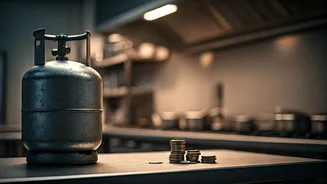
The hospitality sector is grappling with an "unprecedented" escalation in operating expenses following a significant hike of ₹993 per 19-kg commercial
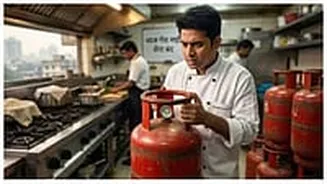
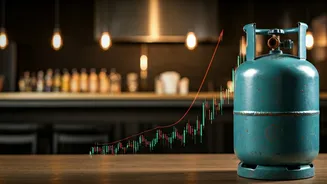
LPG cylinder. This recent increase, coupled with previous hikes in April (₹195.50) and March (₹114.50), has pushed the total price rise to a staggering ₹1,332 within just three revisions. For an industry where energy constitutes a substantial portion of expenditure, this surge is particularly damaging, especially at a time when many businesses are already contending with supply chain disruptions, reduced operational capacity, and weakened financial flows. Hotels and restaurants, being major users of commercial LPG, are disproportionately affected. This impacts small and medium-sized enterprises, caterers, and those involved in large-scale food production, forcing them to reconsider their financial models and pricing strategies to absorb these escalating costs.
Menu Price Jumps
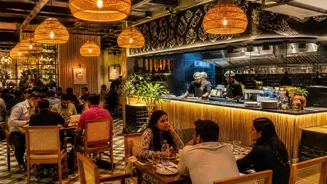
The substantial rise in commercial LPG prices necessitates significant adjustments to menu pricing across the hospitality spectrum. Restaurant industry insiders anticipate menu price increases of at least 10-15 percent to offset the increased fuel costs. However, the extent of these hikes could be even more pronounced for standalone establishments, with projections suggesting increases ranging from 20 percent to as high as 50 percent. This sharp rise in food costs directly impacts consumer spending, particularly affecting students and the working class who rely on affordable daily meals. In densely populated areas like Mumbai, where food stalls and local eateries provide essential daily meals for office-goers and small business owners, a price increase from ₹120-170 to ₹200-250 could render these options unaffordable for lower-income consumers, severely impacting the livelihood of small vendors who depend on consistent daily demand.
Industry Adaptations and Challenges
The ongoing increases in commercial LPG prices are pushing businesses within the hospitality sector to explore alternative cooking methods and operational adjustments. Many hotels, particularly in states like Andhra Pradesh, have already ceased operating their in-house restaurants, focusing solely on accommodation services. The current steep price hike further exacerbates the risk of restaurant closures, leading to potential job losses for numerous workers. While some industry bodies are encouraging a shift towards induction cooking, this transition is proving to be slow and challenging. Currently, only about 25 percent of cooking can be managed through induction, with the remaining reliance on LPG supply. Furthermore, only around 50 percent of restaurants have adopted induction technology, highlighting the significant hurdles and time required for a widespread adoption, leaving many businesses still heavily dependent on the volatile LPG market.
Indirect Sectoral Impacts
Beyond the direct consumption of LPG, the recent price hike reverberates through various supply chains, affecting sectors indirectly. While the immediate impact on the consumer durables industry might not be substantial, the increased costs for component and raw material suppliers will inevitably translate into higher production expenses. For Indian exporters, particularly Micro, Small, and Medium Enterprises (MSMEs) operating in energy-intensive fields such as food processing, ceramics, and glass manufacturing, price stability is crucial for effective planning, accurate pricing, and maintaining competitive profit margins in the global marketplace. Even sectors like garment manufacturing face indirect consequences; higher LPG costs for dyeing units, which are essential in the production process, will eventually lead to increased expenses that are passed on to the garment manufacturing units.