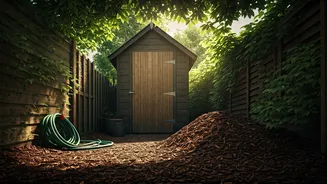








Overgrown Havens
Snakes are adept at camouflage, and areas with long grass, dense ground cover, and thick plantings offer them both concealment and a comfortable microclimate.
During the warmer parts of the late summer and early autumn, these vegetated zones can retain heat more effectively than open ground, becoming ideal sanctuaries. They utilize this dense foliage not only for protection from the sun's intensity during the day but also as strategic hunting grounds to ambush their prey, which are often drawn to the same sheltered environments. Understanding that overgrown landscapes provide both security and hunting opportunities is key to recognizing why snakes are attracted to such spaces.
Shelter Under Objects
Beneath loose stones, stacks of garden containers, or undisturbed potted plants, snakes find the cool, protected nooks they seek. When rocks are piled together or plant pots sit directly on the soil without frequent disturbance, they create small, shaded voids. The temperature within these sheltered gaps remains significantly lower than the surrounding earth, particularly on scorching hot days, making them highly attractive to snakes looking for a respite from the heat. These seemingly innocuous spots offer a safe haven where they can rest and remain undetected.
Structural Gaps
Hollows within walls, cracks in foundations, and gaps along stone borders or retaining walls serve as convenient pathways for snakes to navigate unseen. These breaches in structures offer them a secure route for movement, especially during the cooler nighttime hours. If a gap is sufficiently wide for a smaller creature to pass through, it generally presents no obstacle to a snake. Such openings provide an undisturbed and secure means of travel and shelter, making them appealing to snakes looking for entry and exit points.
Water Attractions
The presence of water is a significant draw for snakes, as they, like all living beings, require it for survival. Ponds, bird baths, active irrigation channels, and even minor leaks in water pipes can attract snakes to a property. Furthermore, gardens that are frequently watered or have areas where water collects tend to attract a variety of prey animals, such as frogs and insects. Naturally, where these prey species congregate, snakes are not far behind, as these areas become rich feeding grounds for them.
Snake-Proofing Strategies
Effectively making your home and garden less appealing to snakes involves strategic modifications rather than complete sealing. The primary goal is to reduce the opportunities and attractants that draw them in. This includes regular trimming of vegetation, maintaining a well-kept lawn, and clearing away debris like trash piles, excess firewood, and building materials. Storing firewood off the ground and away from structures is also crucial. Sealing cracks in foundations and walls, covering drains and vents with fine mesh, and ensuring doors fit snugly are important preventative measures. Additionally, rodent control through cleanliness and proper food waste management is vital, as rodents are a primary food source for snakes. Addressing standing water and fixing leaks further reduces attraction. For gardens, keeping the areas near the house clear of dense ground cover and maintaining clean edges are beneficial. Extra vigilance during adverse weather and checking shaded storage areas in summer, and basements or garages in winter, can prevent unexpected encounters.
Coexisting with Wildlife
Understanding snake behavior is paramount in minimizing the risk of negative interactions. These creatures play a vital ecological role in pest control and maintaining environmental balance. Most snakebites occur when a snake feels threatened, cornered, or is accidentally stepped upon. By being aware of their typical hiding spots and movement patterns, individuals can proactively avoid such dangerous situations. Implementing simple household and garden maintenance strategies, focusing on removing shelter, food sources, and mitigating seasonal risks, can significantly reduce unwanted encounters. Approaching snakes with awareness rather than fear is the most effective way to ensure safe coexistence with these important wild animals.