


Satellite Constellations Expand
The skies are buzzing with activity as numerous rockets have successfully deployed a significant number of satellites, primarily aimed at bolstering global
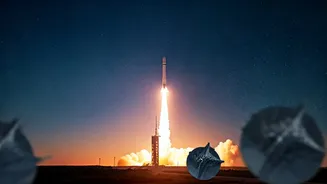
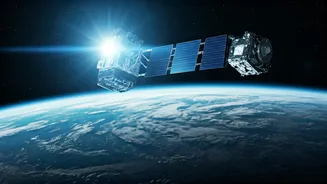
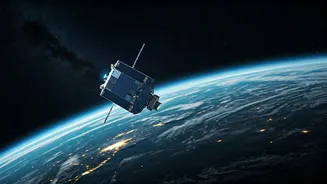
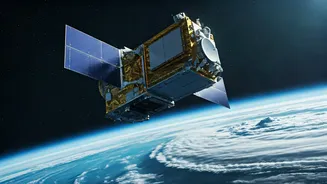
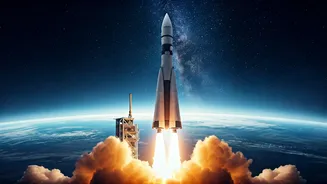
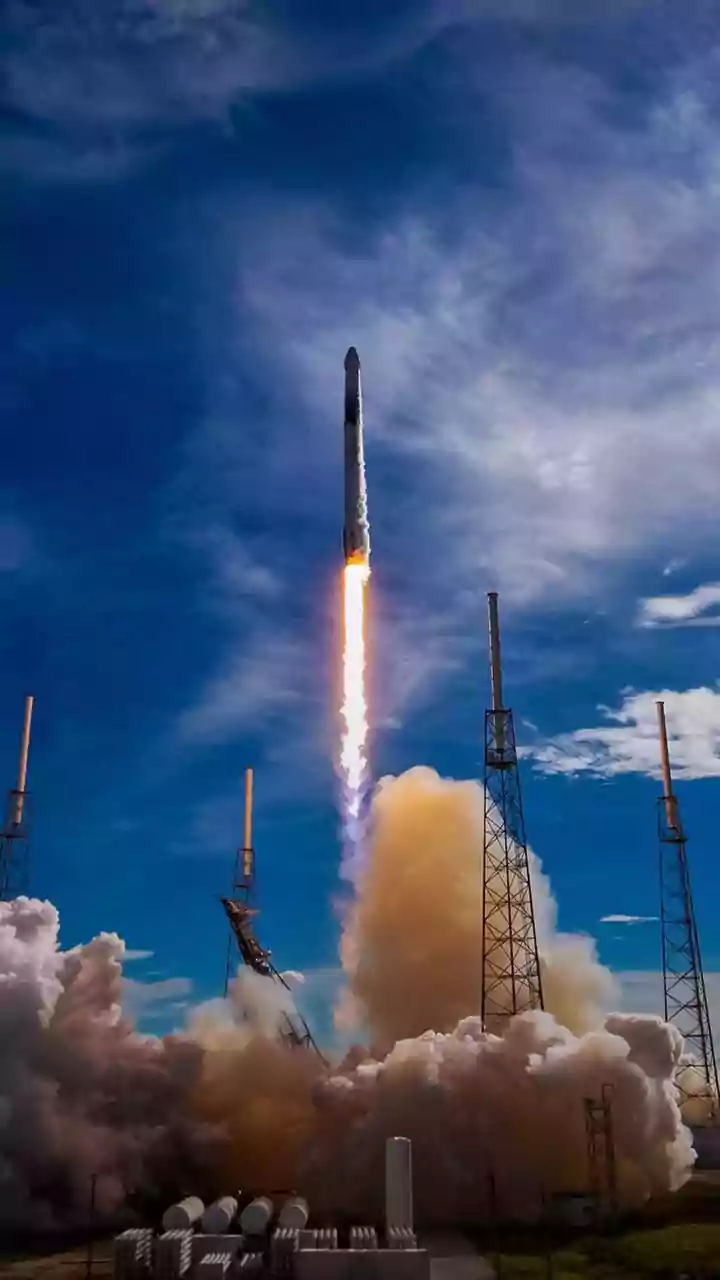
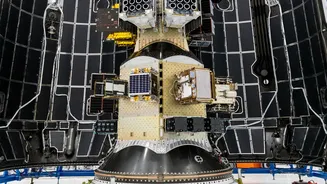
internet coverage. Europe's Ariane 6 rocket played a key role by launching 32 satellites for Amazon's constellation. In a similar vein, an Atlas V rocket also carried 29 Amazon internet satellites into orbit, matching its record for the heaviest payload ever flown. SpaceX has been particularly prolific, launching 25 Starlink satellites on one mission and another 15,000-pound TV satellite on a separate flight. These continuous deployments underscore a rapid expansion of satellite networks designed to provide connectivity across vast regions, aiming to bridge the digital divide and enhance communication infrastructure worldwide. The sheer volume of these launches highlights the growing importance of satellite technology for modern society.
Cargo & Research Missions
Beyond internet services, rockets are essential for transporting vital supplies and conducting scientific research in space. Russia successfully launched approximately 3 tons of cargo to the International Space Station from its launch site in Kazakhstan, ensuring astronauts have the resources they need for ongoing experiments and life support. These cargo missions are a critical lifeline for maintaining continuous human presence in orbit and facilitating long-term scientific endeavors. The reliability of these launches is paramount to the success of these international collaborations, demonstrating the intricate logistics involved in supporting space-based research and operations far from Earth.
Rocket Technology Advances
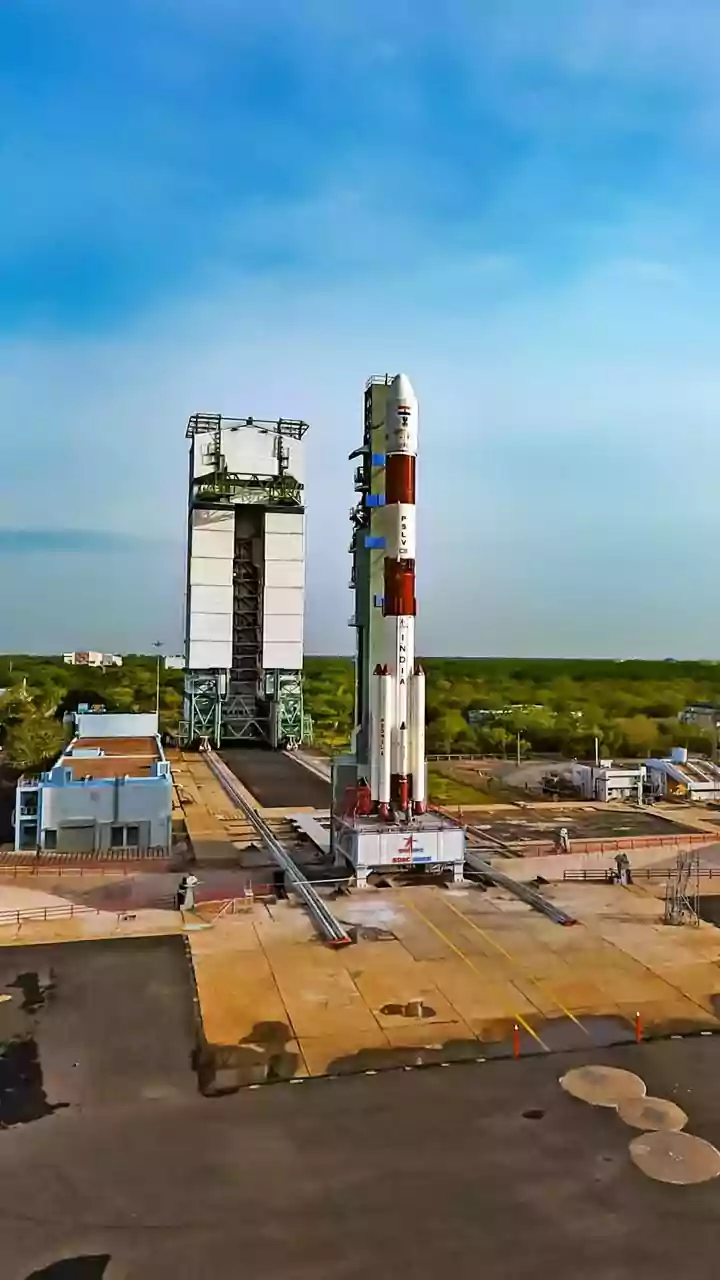
The world of rocketry is witnessing remarkable innovation and iterative improvements, with a focus on reusability and next-generation designs. SpaceX continues to push boundaries with its Starship program, conducting static fire tests of its 'Version 3' engine ahead of a crucial test flight. The company also set a new reuse record for its Falcon 9 rocket during its second Starlink launch of the day, showcasing its commitment to cost-effective space access. Furthermore, Blue Origin demonstrated significant progress by reusing its massive New Glenn rocket for the first time, successfully landing its booster at sea, though a satellite deployment issue occurred. Firefly Aerospace's Alpha rocket also had a notable launch after a 10-month hiatus, indicating a dynamic and competitive landscape in rocket development.
Lunar Ambitions & Space Defense
The long-term goals of space exploration are increasingly focused on returning humans to the Moon and beyond, alongside developing advanced defense capabilities. NASA's Artemis program, aimed at lunar landings, has seen its Artemis 3 mission pushed to late 2027, raising questions about the 2028 timeline for astronaut moon landings. Meanwhile, the US Space Force is prioritizing the development of space-based missile interceptors, with a target readiness date of 2028 for its 'Golden Dome' initiative. These dual pursuits highlight a broad spectrum of space-related objectives, from scientific discovery and exploration to ensuring national security in the increasingly critical domain of space.
Spectacular Space Views
Beyond the technical achievements, space missions often provide breathtaking visual spectacles that captivate observers. An astrophotographer managed to capture the stunning Pleiades star cluster, also known as the 'Seven Sisters,' bathed in an ethereal blue glow. The launches themselves have also generated awe-inspiring sights, with SpaceX's Starlink launches creating mesmerizing 'jellyfish' formations in the predawn sky over Florida. These celestial views, whether captured by ground-based instruments or from orbit itself, serve as a powerful reminder of the beauty and wonder of the cosmos, inspiring both scientific curiosity and public imagination.