

Macaroni's Cheesy Embrace
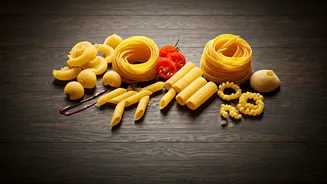
Macaroni, with its characteristic curved tubular form, is a cornerstone for comfort food, especially when it comes to cheesy creations. The hollow interior
of this pasta shape acts as a perfect vessel for rich, creamy cheese sauces, allowing the flavor to permeate every nook and cranny. This makes it an ideal choice for baked macaroni and cheese, where its ability to soften during the cooking process contributes to a wonderfully cohesive and satisfying dish. While it excels in oven-baked recipes and layered casseroles, it's worth noting that its density might feel a bit substantial in extremely rich or delicate preparations, so it's best suited for hearty, indulgent meals.
Penne's Saucy Grip
Penne, distinguished by its angled cut ends and often featuring a ridged exterior, is a frequent flyer in Alfredo-style dishes. Its robust, hollow structure, coupled with those subtle ridges, provides an exceptional surface area for thick, creamy sauces like Alfredo to adhere to. This structural integrity ensures a harmonious balance in every bite, where the pasta, sauce, and any accompanying ingredients like vegetables or chicken meld together seamlessly. The firm texture of penne holds up admirably, even against heavy sauces, making it a filling and satisfying option for those who appreciate a substantial pasta course. It's a shape that ensures a generous coating of sauce, enhancing the overall flavor profile of the dish.
Spaghetti's Light Touch
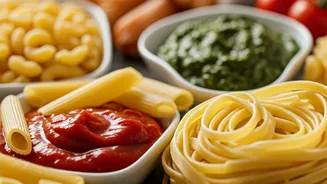
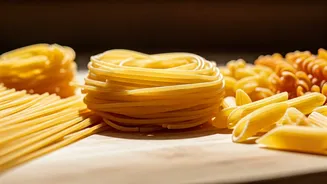
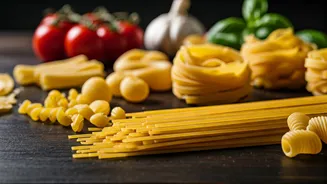
Spaghetti, the quintessential long, thin strand, shines brightest when paired with lighter fare, such as smooth, oil-based sauces or classic, delicate tomato preparations. Think of dishes like Aglio e Olio or a simple Marinara; the elongated strands of spaghetti are adept at carrying these lighter flavors without becoming overpowering. The slim profile allows for an even coating, ensuring that each mouthful is infused with just the right amount of sauce, contributing to a delightfully light and balanced eating experience. While perfect for these applications, spaghetti is less suited for sauces with significant chunks or heavy creaminess, as its structure isn't designed to hold such ingredients effectively.
Fusilli's Flavor Traps
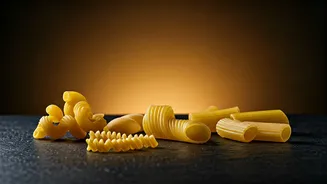
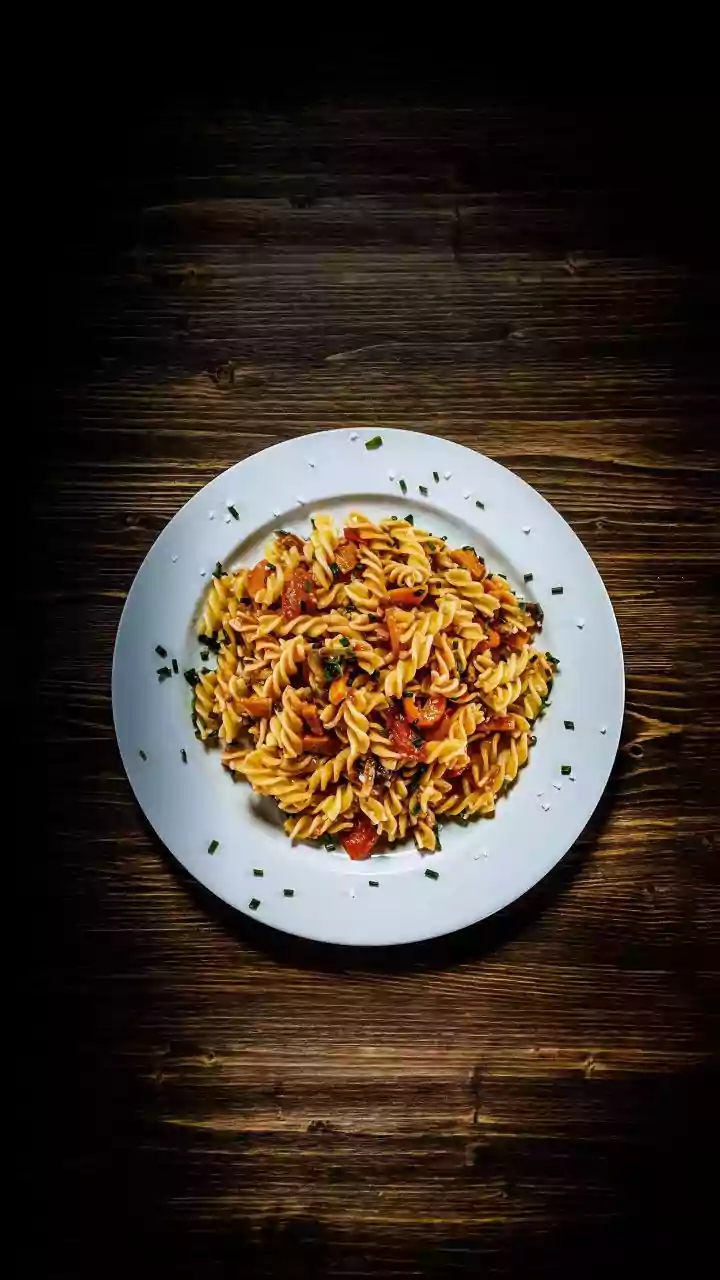
The distinctive spiral shape of fusilli makes it a champion for trapping not only sauces but also smaller, delectable ingredients. Whether it's fresh herbs, finely diced vegetables, or flecks of cheese, the twists and turns of fusilli excel at capturing them, ensuring that every mouthful is packed with flavor and delightful texture. This makes it a versatile choice for vibrant pesto pasta dishes and those incorporating a variety of mixed ingredients. Fusilli performs admirably in both hot pasta entrées and chilled pasta salads, though with exceptionally thick sauces, it can sometimes feel a touch dense due to its intricate form.
Farfalle's Bow-Tie Charm
Farfalle, affectionately known as bow-tie pasta, lends itself beautifully to creamy sauces and more inventive, fusion-style dishes. Its unique construction, featuring a firmer, thicker center and softer, more delicate edges, allows for a dynamic textural experience. The center provides a satisfying bite, while the edges readily absorb the sauce, creating an interplay of textures that complements cheese-based recipes and those with a hint of spice. Visually appealing, farfalle adds a touch of elegance to any plate, though careful cooking is essential to prevent uneven texture, ensuring all parts are cooked to perfection.
Fettuccine's Rich Embrace
Fettuccine, characterized by its broad, flat ribbons, is traditionally the pasta of choice for luxuriously rich and creamy sauces. Its substantial surface area is ideally suited for clinging to heavy concoctions, making it a perfect partner for dishes like a decadent mushroom cream pasta or richer variations of Alfredo. The result is an indulgent and profoundly satisfying meal, delivering bold flavors that are ideal for those seeking a truly hearty and unctuous dining experience, rather than a light and airy dish.