





The Invisible Ripening Agent
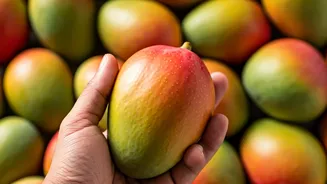
Fruits naturally emit ethylene, a gas that acts as a signal for ripening. When fruits are stored in close proximity, this gas accumulates, accelerating
the ripening process for all of them. Think of it as a chain reaction; one ripening fruit triggers more ethylene, which in turn causes neighboring fruits to ripen faster. This can transform a bowl of fresh produce into an overripe mess in just a few days. Understanding this biochemical process, where fruits essentially communicate with each other through ethylene, is the first step to better food storage and reducing waste. The autocatalytic nature of ethylene production means that as more fruit ripens, even more ethylene is released, creating a feedback loop that speeds up spoilage significantly.
Climacteric vs. Non-Climacteric
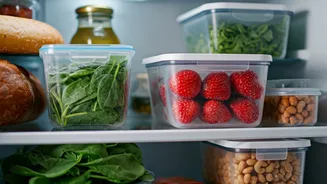
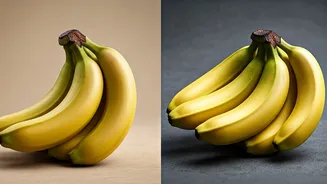
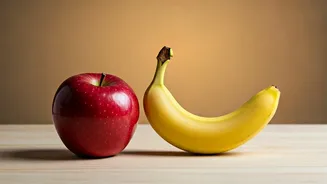
Fruits can be broadly categorized based on their ethylene production and sensitivity. Climacteric fruits, such as bananas, apples, and avocados, are significant ethylene producers and continue to ripen after harvesting. When these fruits ripen, they release ethylene, which can negatively impact non-climacteric fruits like strawberries and grapes, even if these latter fruits don't ripen further. Exposure to high levels of ethylene can cause non-climacteric fruits to age prematurely, leading to undesirable changes such as browning, bitterness, or a compromised protective skin, even if they don't actually ripen. This difference in behavior is crucial for effective storage strategies. The interaction between these fruit types dictates how they should be stored to maintain optimal freshness and quality.
Ventilation is Key
The way fruits exchange gases, primarily ethylene, is heavily influenced by their skin's permeability and ventilation. Fruits with porous skins or specific structures, like the stem area in tomatoes, play a critical role in this gas exchange. If these areas are blocked or the fruit is in a poorly ventilated space, ethylene can build up internally, leading to premature softening. Storing ethylene-generating fruits together in a confined space, like a deep bowl, creates a concentrated pocket of ethylene gas. This lack of airflow prevents fresh oxygen from entering and necessary gases from escaping, intensifying the ripening effect. Proper ventilation allows ethylene to dissipate, slowing down the ripening process and extending the shelf life of your produce.
The Separation Strategy
The most effective method to extend the life of your fruits is the 'separation trick,' which involves storing ethylene-sensitive fruits away from high-ethylene producers. For instance, keeping bananas separate from berries or placing avocados individually rather than in a pile can make a significant difference. For fruits that have already reached optimal ripeness, refrigerating them can slow down their metabolic processes and ethylene production. However, some fruits, like tomatoes and bananas, are susceptible to chilling damage in the cold, which can affect their taste and texture. Utilizing basket-like containers that promote air circulation instead of sealed glass containers allows ethylene to escape, further aiding in the preservation of freshness.