






Oats: Gut's Best Friend
Oats are celebrated for their remarkable ability to help lower LDL cholesterol and stabilize blood sugar levels, making them a breakfast powerhouse. Beyond
these benefits, oats are a fantastic source of prebiotics. These essential compounds act as food for the beneficial bacteria residing in your gut. Consistently consuming oats can gradually shift your gut microbiome, fostering an environment where good bacteria thrive and outcompete harmful ones. This balanced microbiome plays a crucial role in optimizing nutrient absorption and ensuring smooth digestion. Their versatility shines through in options like overnight oats, offering a convenient and nourishing start, or in baked oat muffins for a grab-and-go treat.
Muesli: Textured Delight
For those seeking a more complex and textured breakfast experience beyond plain oats, muesli is an excellent choice. This delightful blend typically combines rolled oats with a medley of dried fruits, nuts, and seeds, creating a breakfast that's not only rich in fiber but also bursting with diverse flavors and textures. You can elevate your muesli further by adding elements like apple slices and ground cinnamon, transforming it into a satisfying meal that provides approximately 9 grams of fiber per serving. Alternatively, a Scandinavian-inspired muesli, featuring chopped dried or fresh fruits and nuts, offers around 5 grams of fiber, proving that delicious and fiber-packed breakfasts can be diverse.
Berries: Antioxidant Powerhouses
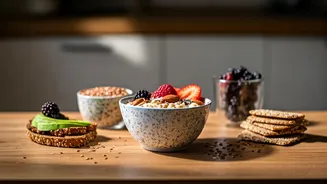
Berries, including strawberries, raspberries, blueberries, and blackberries, are a fantastic addition to any breakfast. Whether enjoyed fresh or frozen, these vibrant fruits boast an impressive nutritional profile, prominently featuring fiber and vitamin C. They are particularly renowned for their potent anti-inflammatory properties, making them a smart choice for supporting overall health. Their natural sweetness and appealing texture make them an effortless way to incorporate essential nutrients and a touch of flavor into your morning routine, pairing wonderfully with cereals, yogurts, or even as a standalone snack.
Wheat Bran: Simple Fiber Boost
If you're looking for a straightforward method to significantly increase your dietary fiber intake, wheat bran is an excellent option. A surprising bonus often associated with wheat bran consumption is its potential to reduce the odor of flatulence. This is attributed to its high content of insoluble fiber, which aids in moving food through the digestive system more efficiently, thereby decreasing the likelihood of constipation. Wheat bran doesn't have to be bland; incorporating a spoonful or two into your favorite muffin or pancake batter offers a healthy and subtle upgrade to your baked goods.
Avocado: Creamy Nutrient Gem
Avocado stands out as an ideal breakfast food due to its rich nutrient density, offering essential vitamins like E and folate, along with minerals such as magnesium and potassium. Just half an avocado provides a substantial 7 grams of fiber, which can account for up to one-third of your daily recommended intake. Its wonderfully smooth and creamy texture makes it incredibly versatile. Enjoy it blended into smoothies for a silky consistency, paired with eggs and toast for a classic combination, or even incorporated into pancake breakfast wraps for a unique and satisfying meal.
White Beans: Protein and Fiber
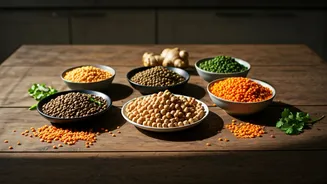
White beans are a surprisingly versatile ingredient that can elevate your breakfast, perhaps even beyond the popular avocado toast. A modest half-cup serving of white beans delivers a robust 6 grams of fiber. Furthermore, they are a valuable source of essential minerals like iron, potassium, and folate, contributing to overall nutritional intake. Their unique texture makes them a fantastic addition to plant-based breakfast burritos, where they can mimic the satisfying feel of scrambled eggs, as seen in recipes like the Vegan Freezer Breakfast Burrito.
Black Beans: Gut Health Champion
Similar to white beans, black beans offer remarkable versatility for breakfast dishes, boasting an impressive 9 grams of fiber per half-cup serving. These legumes play a significant role in promoting gut health due to their content of resistant starch, a type of carbohydrate that resists digestion. As this starch travels to the colon, it becomes a food source for beneficial gut bacteria, which then produce short-chain fatty acids. These fatty acids are crucial for reducing inflammation throughout the body, contributing to a healthier digestive system.
Chia Seeds: Tiny but Mighty
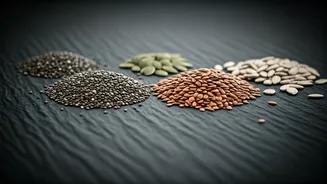
Despite their small size, chia seeds pack an extraordinary nutritional punch, particularly when it comes to fiber. Just two tablespoons of chia seeds provide approximately 10 grams of fiber, exceeding 35% of the daily recommended intake. They are especially rich in soluble fiber, a type that absorbs water and expands, which helps to slow down digestion. This process promotes a prolonged feeling of fullness, aids in satiety, and is beneficial for managing blood sugar levels. Incorporating chia seeds is easy: sprinkle them over cereal, stir them into hot oatmeal or overnight oats, or blend them into mashed berries to create a quick and healthy chia jam.
Whole-Grain Bread: Foundation of Fiber
Whole-grain bread forms an excellent foundation for a high-fiber breakfast. These breads are crafted from a variety of whole-grain flours, including barley, buckwheat, oats, wheat, brown rice, and spelt, and typically contain at least 2 grams of fiber per slice. The beauty of whole-grain toast lies in its ability to be topped with other fiber-rich ingredients, such as fruits, beans, or avocado, creating a breakfast that is comprehensively packed with essential nutrients and fiber to keep you sustained throughout the morning.
Whole-Grain Pancakes: Healthier Indulgence
Pancakes don't have to be an indulgence solely made with refined flour. Opting for whole-grain pancakes significantly enhances their fiber content, making them a healthier choice for breakfast. You can further boost their nutritional value and flavor by adding toppings like berries, chopped apples, walnuts, or seeds. Get creative in the kitchen by experimenting with different whole-grain flours, incorporating mashed bananas into the batter, or even preparing savory versions of whole-grain pancakes for a delightful breakfast twist.