



A Town of Art
Ramgarh Shekhawati, nestled in the Sikar district of Rajasthan, is far more than just a historical locale; it's often lauded as India's most expansive
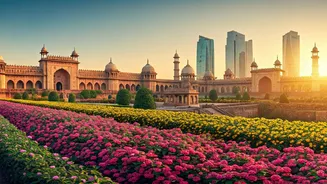
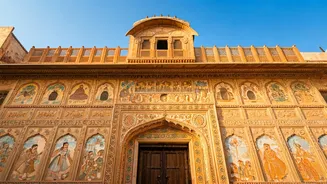
open-air art gallery. This distinction stems from its remarkable collection of exquisitely preserved havelis, once opulent residences for wealthy merchants. These magnificent structures serve as a vibrant canvas, adorned with intricate frescoes and murals that narrate tales of mythology, historical occurrences, and the daily rhythms of life from bygone eras. The town's heritage, deeply rooted in the 18th century when established by the Shekhawat Rajputs, flourished as a crucial trading hub. This prosperity fueled the construction of these grand homes, leaving behind a profound artistic legacy. The artwork adorning the haveli walls is not merely decorative; it acts as a visual archive, offering invaluable insights into the social fabric, cultural practices, and economic vitality of the region during its historical peak. Wandering through the narrow lanes of Ramgarh Shekhawati truly evokes the sensation of stepping into an open-air museum, where each turn reveals another story etched in art and architecture.
Architectural Grandeur
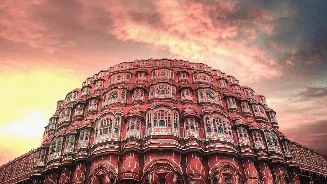
The sheer concentration of havelis in Ramgarh Shekhawati is a defining characteristic that immerses visitors in its historical ambiance. Each mansion presents a unique narrative through its distinctive architectural style and artistic expressions, making a stroll through its streets an unforgettable experience. Among the notable havelis that capture the essence of the town's grandeur are the Kedia Haveli, the Poddar Haveli, and the Naraindas Mor Haveli, each possessing its own unique charm and artistic magnificence. The frescoes found within these havelis are a significant contribution to the annals of Indian art history. They were meticulously created using natural pigments, and their colors have demonstrated an astonishing resilience, largely retaining their vibrancy over extended periods. The thematic content of these artworks is diverse, encompassing religious narratives, epic sagas, portraits of the patrons who commissioned them, and depictions of royal processions, all rendered with a remarkable level of detail and artistic skill that continues to inspire awe.
Beyond the Walls
While the havelis are undoubtedly the primary attraction, Ramgarh Shekhawati offers a broader immersion into the authentic Rajasthani way of life. Beyond the elaborate residences, the town's charm is amplified by its local markets, the understated yet elegant architecture of its temples, and the genuine warmth of its inhabitants. These elements combine to create a truly authentic experience, allowing visitors to connect with the essence of rural Rajasthan, far removed from the frenetic pace of modern urban centers. This tranquil atmosphere provides a peaceful respite, allowing for a deeper appreciation of the region's cultural heritage and traditional living. The town's historical significance is further underscored by its strategic location, which once facilitated its prominence as a thriving center for trade and commerce, a past reflected in the grandeur of its merchant homes.
Preserving the Legacy
Despite its immense historical and artistic value, Ramgarh Shekhawati, like many heritage sites globally, faces significant challenges in its preservation efforts. Issues such as inadequate funding, the erosive effects of environmental factors, and the scarcity of skilled artisans essential for restoration work pose ongoing concerns. Nevertheless, dedicated efforts are underway, driven by local authorities and passionate heritage enthusiasts, aiming to safeguard and promote this invaluable legacy. The town's evolution from a bustling commercial center to a meticulously preserved heritage site is a narrative in itself, emphasizing the critical importance of cultural preservation in the face of relentless modernization. Ramgarh Shekhawati is not merely a collection of antique buildings; it stands as a living testament to the artistic brilliance and the rich historical narrative of a bygone era, serving as a potent reminder of the past's grandeur and the imperative of protecting such treasures for future generations.