






Biryani's Rich Tapestry
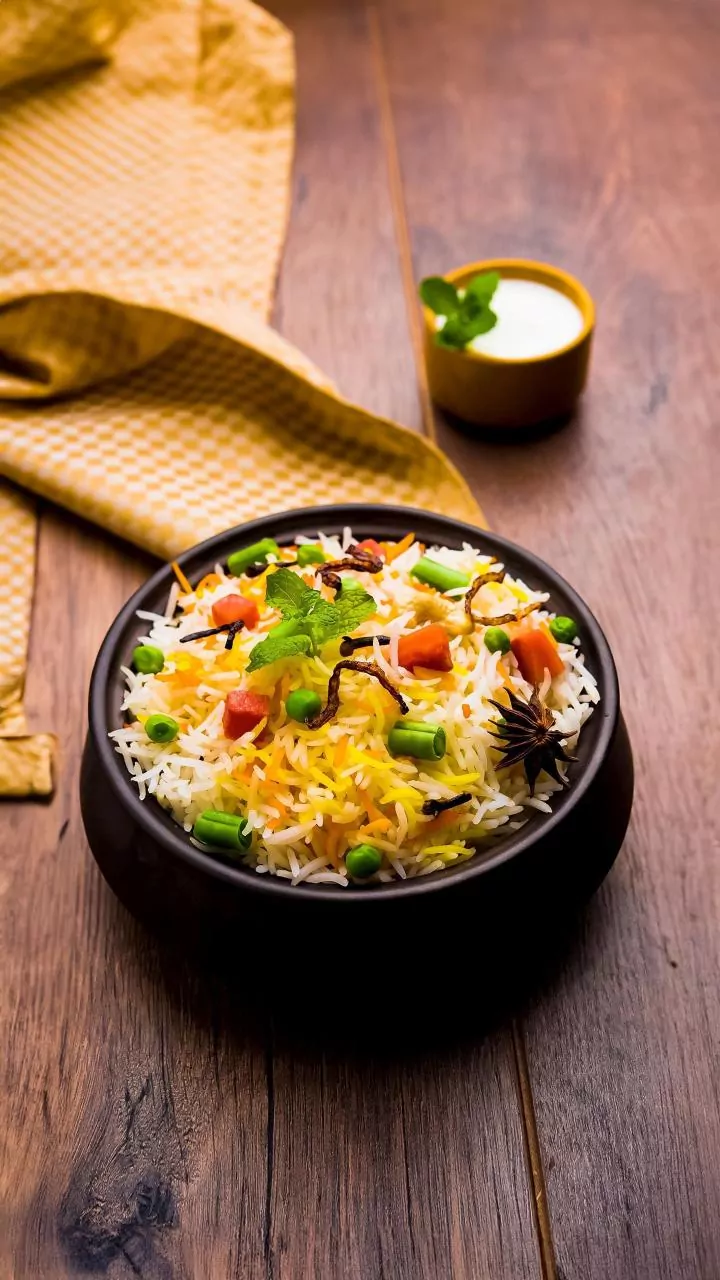
India's culinary landscape is incredibly diverse, and biryani stands as a testament to this richness. This iconic rice dish, infused with aromatic spices
and often featuring slow-cooked meats or vegetables, has regional variations that are as unique as the cultures they hail from. These distinct preparations are not merely food; they are edible narratives, reflecting the history, local ingredients, and traditions of different parts of the country. Showcasing these culinary gems helps bridge cultural divides and offers a delightful exploration of India's gastronomic heritage to a global audience. The presence of these regional biryanis in international hubs like Singapore amplifies their reach and appreciation, fostering a deeper understanding and connection to India's vibrant food culture.
Hyderabadi's Royal Spice
Hailing from the erstwhile Nizam's dominion, Hyderabadi biryani is renowned for its royal lineage and robust flavors. Traditionally prepared using the 'dum' cooking method, where marinated meat and partially cooked rice are layered and sealed in a pot to cook in their own steam, it boasts a rich, intense aroma. The use of specific spices like saffron, cardamom, cloves, and star anise, along with succulent cuts of meat, often mutton or chicken, creates a truly decadent experience. The rice is typically long-grained Basmati, absorbing all the aromatic juices. This biryani is a celebrated example of Mughlai influence fused with local Deccan culinary traditions, making it a staple for those seeking an authentic and deeply flavorful Indian rice dish.
Lucknowi's Subtle Elegance
In stark contrast to its spicier counterparts, Lucknowi biryani, also known as Awadhi biryani, embodies subtle elegance and delicate flavors. This preparation emphasizes the art of slow cooking and aromatic infusion rather than fiery spice. Yogurt-marinated meats are often cooked separately and then gently layered with fragrant Basmati rice, subtly flavored with rose water, kewra essence, and mild spices like cardamom and mace. The 'pakki' method, where both the meat and rice are pre-cooked before layering and steaming, ensures a tender texture and a cohesive blend of flavors. The result is a light yet incredibly aromatic biryani, a true reflection of the refined culinary heritage of the Awadh region.
Kolkata's Unique Twist
Kolkata biryani offers a distinctive departure from other regional variations, famously incorporating a large piece of potato, often fried to a golden hue, alongside the meat. This addition is said to have originated from economic considerations, making the dish more filling. The rice is delicately flavored with saffron and a blend of subtle spices, with rose water and kewra essence adding a floral aroma. The meat, usually mutton or chicken, is marinated and cooked separately, contributing its own savory notes. The overall profile is lighter and more fragrant, with the tender potato providing a surprising and delightful textural element that sets it apart.
Malabar Coast's Fragrant Charm
From the spice-laden coasts of Kerala, Malabar biryani presents a unique South Indian interpretation. This version typically uses a special short-grained, fragrant rice known as 'Khaima' or 'Jeerakasala', lending a distinct texture and aroma. The biryani is often prepared with succulent chicken or mutton, marinated in a blend of regional spices that include fennel seeds, cardamom, and cloves, often with a touch of chili for a gentle warmth. The cooking process involves layering the rice and meat, allowing them to meld flavors through slow steaming. This results in a fragrant and subtly spiced dish that highlights the unique produce and culinary traditions of Kerala.
Ambur's Flavorful Heritage
Representing the culinary prowess of Tamil Nadu, Ambur biryani is celebrated for its distinct taste and preparation. This version typically uses Seeraga Samba rice, a fragrant short-grain variety, which absorbs flavors beautifully. The meat, commonly mutton, is marinated with a specific blend of spices and then cooked with the rice in a way that ensures each grain is infused with the savory essence. It is known for its slightly tangy and spicy profile, often enhanced by the use of tomatoes and a carefully balanced spice mix. Ambur biryani is a testament to the regional palate of Tamil Nadu, offering a delightful and authentic South Indian culinary experience.
Thalassery's Aromatic Delight
Another gem from Kerala, Thalassery biryani shares similarities with its Malabar cousin, also utilizing the fragrant Jeerakasala rice. However, it possesses its own unique character, often featuring a richer blend of spices and a slightly more complex flavor profile. The chicken or mutton used is marinated with a generous mix of whole and ground spices, creating a deep, aromatic base. The 'dum' cooking method is crucial here, allowing the flavors to intermingle and the rice to cook to perfect tenderness. This biryani is a symphony of aromas and tastes, showcasing the skillful use of Kerala's indigenous spices and traditional cooking techniques.