
Mission's Core Purpose
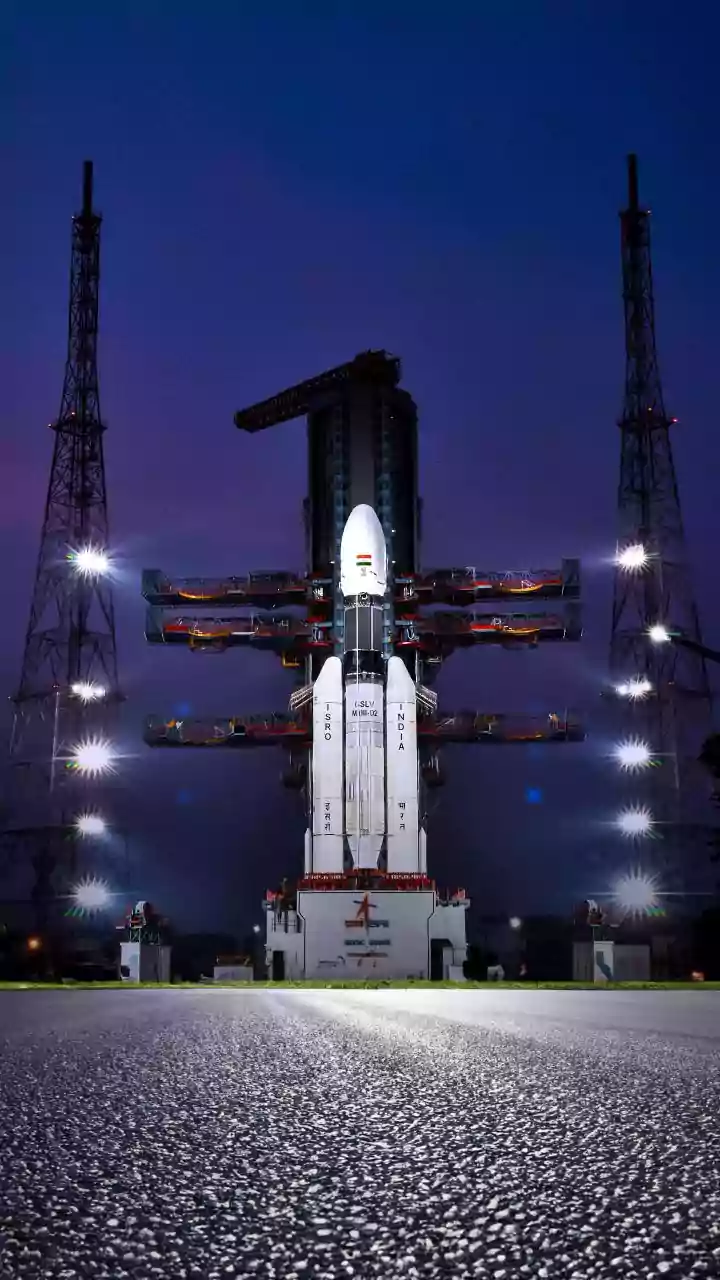
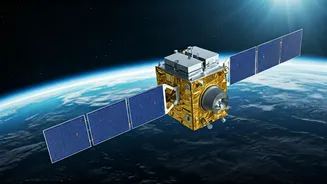
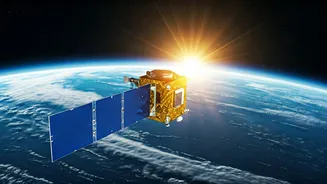
The primary objective of the PSLV-EOS-N1 mission revolved around Earth observation, a field where technology plays a crucial role in collecting and analyzing
data from space. The satellite was equipped with advanced instruments designed to capture detailed images and gather valuable information about the Earth's surface, atmosphere, and oceans. The mission’s data was used for a variety of scientific applications, helping in areas like environmental monitoring, disaster management, and climate change research. This satellite's design focused on providing high-resolution imagery and data, allowing scientists and researchers to make accurate observations. Furthermore, the information collected by the satellite has contributed to understanding various aspects of the Earth's systems. This comprehensive approach to Earth observation showcases the mission's importance in advancing scientific knowledge and supporting sustainable development. It aided in various fields by offering enhanced methods for collecting and interpreting essential environmental data.
Technical Capabilities Explored
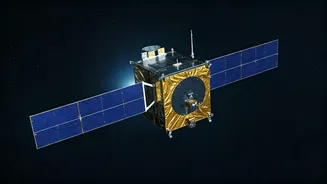
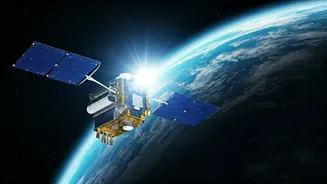
The PSLV-EOS-N1 satellite's capabilities included a range of advanced technologies essential for its Earth observation tasks. It was built with sophisticated imaging systems, enabling it to capture high-resolution images of the Earth's surface. These systems provided the detailed imagery needed for various scientific applications. Furthermore, the satellite had sensors designed to collect data about the atmosphere, including the concentration of greenhouse gases and the distribution of clouds. The satellite's data-handling capabilities allowed it to process, store, and transmit a large volume of information back to Earth, making it useful in a wide array of research areas. The satellite also had precise navigation and control systems. The technology was crucial for maintaining the correct orbit and pointing the instruments towards specific targets on the Earth. These capabilities ensured the satellite could reliably gather the required data. The integration of these technical features highlighted the sophisticated design of the PSLV-EOS-N1, positioning it as a powerful tool in space-based Earth observation.
Data's Real-World Uses
The data collected by the PSLV-EOS-N1 mission played a significant role in various real-world applications. Environmental monitoring benefited greatly, offering crucial insights into deforestation, land degradation, and changes in the environment. The satellite's data also played a vital role in disaster management, providing essential information during natural disasters such as floods, cyclones, and earthquakes. The information helped with assessing damage, guiding rescue efforts, and aiding in recovery. Moreover, the mission's data aided in climate change research. Scientists used the data to monitor changes in sea levels, ice sheets, and global weather patterns. The collected information proved valuable in creating models and forecasts. The satellite's capabilities helped understand environmental processes better. The contribution of PSLV-EOS-N1 to these fields highlights the satellite’s significance. These applications underscore the value of the mission in contributing to scientific knowledge, environmental protection, and human welfare.
Future Mission Relevance
Although the PSLV-EOS-N1 mission itself has concluded, its contributions have laid a foundation for future missions. The data and insights gained continue to support advancements in Earth observation technology. Furthermore, the mission served as a learning experience, providing engineers and scientists valuable lessons. The technological advancements implemented in this mission are being applied to upcoming projects. Future Earth observation missions will build on the lessons learned, striving for enhanced capabilities and broader applications. These missions will focus on improving imaging capabilities and incorporating advanced sensors for better environmental monitoring. The knowledge and experience accumulated from PSLV-EOS-N1 will guide the development of future space programs, thus boosting the expansion of space exploration and its contribution to society.