





The Salt Habit Trap
Our deep-seated affinity for salt isn't just a preference; it's a learned response that makes reducing intake a formidable task. Over time, our palates
acclimatize to higher levels of saltiness, leading to a perception that food lacks flavour when sodium is lowered. This heightened "salt threshold" means that meals which are actually within healthy sodium limits can taste disappointingly bland. Furthermore, food is inextricably linked to our emotions, cultural practices, and daily routines, particularly in many Indian households where meals are central to comfort and tradition. Altering these ingrained patterns, especially when they involve sensory enjoyment, proves significantly more difficult than simply knowing that excess salt is detrimental. The psychological and habitual dimensions of eating often override purely rational health concerns, making adherence to low-salt diets a persistent challenge.
Taste Over Health
The primary reason many individuals falter on low-salt diets isn't a lack of awareness regarding health benefits, but rather the compromise in culinary satisfaction. The conventional focus on simply diminishing salt content often neglects the crucial aspect of flavour enhancement. When food fails to provide the expected gustatory pleasure, motivation to continue with healthier dietary choices wanes rapidly. Consequently, many well-intentioned low-salt regimens are abandoned prematurely because they don't deliver the satisfying sensory experience people crave. This highlights a fundamental disconnect: health advice often prioritizes reduction over the equally vital goal of making healthy food delicious and appealing in the long run, leading to a cycle of attempted diets that ultimately prove unsustainable.
Gradual Sodium Shift
A more effective approach to curbing salt consumption involves a phased reduction rather than an abrupt cessation. By progressively decreasing the amount of salt added to meals, individuals allow their taste buds ample time to recalibrate. This gradual adaptation process ensures that the palate adjusts subtly, making the perceived difference in saltiness far less pronounced over a few weeks. As your sensitivity to saltiness increases, formerly less-salty foods will begin to register as adequately seasoned, thereby minimizing feelings of deprivation. This gentle transition helps to build sustainable habits by making the lower-sodium diet feel natural and satisfying, rather than like a restrictive regimen.
Flavour Boosters Unveiled
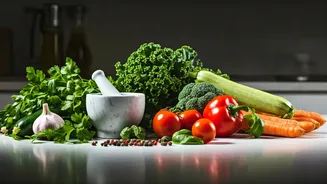
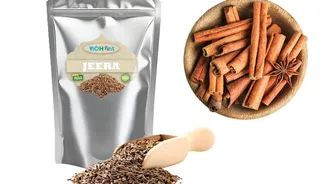
To compensate for reduced salt and elevate taste, incorporating a diverse array of natural flavour enhancers is key. Aromatic spices such as cumin and coriander, pungent ingredients like garlic and ginger, and zesty elements like lemon, tamarind, and vinegar can significantly amplify the savouriness of dishes without adding sodium. These natural additions stimulate the palate and provide complex flavour profiles that satisfy the desire for well-seasoned food. By strategically using these ingredients, one can create dishes that are both vibrant and health-conscious, demonstrating that flavourful cooking does not necessitate high salt content.
The Umami Advantage
Leveraging the power of umami, often described as the fifth taste, offers a sophisticated method for enhancing food's satisfying qualities and reducing the reliance on salt. Foods naturally rich in glutamates, such as ripe tomatoes, various mushrooms, and certain aged cheeses, contribute a deep, savoury richness that makes meals feel more complete and palatable. This inherent savouriness can trick the taste buds into perceiving a fuller flavour profile, thereby lessening the perceived need for added salt. Incorporating these umami-rich ingredients into cooking provides a delicious pathway to enjoying food while consciously moderating sodium intake.
Culinary Techniques Shine
Beyond ingredient choices, employing specific cooking methodologies can inherently enhance the natural flavours of food, thereby reducing the need for added salt. Techniques like roasting vegetables or meats caramelizes their natural sugars, deepening their taste and creating appealing textures. Grilling imparts a smoky char that adds another layer of complexity. Fermentation processes, used in items like yogurt or certain pickles, develop intricate flavours and can also introduce beneficial probiotics. These methods unlock the inherent deliciousness of ingredients, allowing them to stand out without being masked by excessive salt, contributing to a more flavourful and less sodium-dependent diet.
Balanced Sodium Alternatives
For those seeking to significantly reduce sodium while maintaining taste, balanced alternatives such as Monosodium Glutamate (MSG) can be a valuable consideration. It's important to note that MSG contains approximately one-third the sodium of table salt. When used judiciously and in appropriate quantities, MSG can effectively boost the savoury (umami) taste of food, thereby allowing for a substantial reduction in overall salt usage without a discernible drop in flavour satisfaction. Careful and moderate application is advised to achieve the desired taste balance while adhering to healthier sodium intake goals.
Home Habits Matter
Establishing healthy sodium habits begins at the household level, influencing the eating patterns of all family members, including children. By consciously reducing the salt used in everyday home cooking, families can gradually acclimatize to lower-salt meals. Encouraging children to develop a preference for less salty foods from an early age is particularly impactful, as it sets a foundation for lifelong healthier eating. These consistent, small-scale adjustments made within the home environment can accumulate over time to create significant and lasting positive changes in overall sodium consumption.