




The Silent Threat
High blood pressure, or hypertension, is a pervasive health concern affecting approximately 1.28 billion individuals globally, equating to one in five
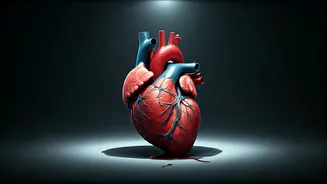
adults. This condition often progresses for years without any noticeable symptoms, leading many to remain unaware of its detrimental impact on their cardiovascular system. The heart works excessively hard, and blood vessels endure damage, often without the individual experiencing any discomfort. This insidious nature means that many people only discover they have hypertension after a significant event, such as a stroke or heart attack, highlighting the critical need for greater awareness and early detection. The prevalence of hypertension has regrettably increased since the 1990s, particularly in developing nations. It stands as the primary modifiable risk factor for cardiovascular diseases, contributing to an estimated 10 million deaths annually and representing a substantial portion of the global disease burden.
Awareness and Intervention
A significant challenge in managing hypertension is the low level of awareness, with only about 42% of affected adults knowing they have the condition. This means millions are living with a serious health issue without any knowledge, hindering their ability to seek treatment. The crucial aspect of hypertension is its preventability and treatability. Unlike some diseases with limited options, high blood pressure responds effectively to interventions. Medical treatments, regular physical activity, reduced salt consumption, and weight management are all proven methods to lower blood pressure. However, the effectiveness of these measures hinges entirely on an individual's awareness of their condition. Without this knowledge, daily routines continue, blood pressure remains elevated, cardiovascular risks escalate, and individuals remain entirely oblivious to the growing danger.
Subtle Home Symptoms
According to Dr. P. Ashok Kumar, a Senior Consultant in Interventional Cardiology, hypertension is often termed a 'silent condition' because it develops gradually over many years without obvious symptoms. While many believe they would feel unwell if they had high blood pressure, the initial indicators can be extremely subtle and easily overlooked. By paying close attention to minor changes in daily routines at home, individuals can potentially identify signs of hypertension before more severe health problems emerge. Dr. Kumar emphasizes that these subtle symptoms often appear in everyday activities, making them easily dismissible if one isn't vigilant. Recognizing these seemingly insignificant changes can be the first step in a proactive approach to managing one's cardiovascular health.
Physical Manifestations at Home
Several subtle physical changes experienced at home can serve as early warnings for high blood pressure. Persistent morning headaches, particularly a heavy or throbbing sensation at the back of the head, can indicate rising blood pressure, often improving as the day progresses and misattributed to daily stress or lack of sleep. Unexplained, persistent tiredness, even after adequate rest, is another sign, as the heart struggles to pump blood efficiently. Difficulty breathing during routine activities like climbing stairs or household chores suggests strain on the heart and blood vessels. Frequent, unexplained nosebleeds, beyond those caused by dry air or allergies, should also raise concern, especially when accompanied by other symptoms. Visual disturbances, such as temporary blurred vision or a feeling of pressure around the eyes, can occur due to the impact of high blood pressure on ocular blood vessels. Furthermore, irregular sleep patterns, frequent nighttime awakenings, or significant snoring may point to underlying issues like sleep apnea, which is often linked to hypertension and can exacerbate its effects.
Behavioral and Emotional Clues
Beyond overt physical symptoms, subtle behavioral and emotional changes can also be indicative of hypertension. Chest pain or discomfort, even if mild or intermittent, is a significant warning sign that warrants medical attention. This tightness or pressure in the chest should not be dismissed, especially if it occurs repeatedly. Additionally, persistent anger issues or a tendency towards irritability can be linked to the chronic stress that often accompanies or contributes to hypertension. Emotional responses can sometimes manifest bodily changes before more pronounced physical symptoms become apparent, reflecting the strain that stress places on the body. Recognizing these shifts in emotional well-being, alongside physical indicators, provides a more comprehensive picture of potential health concerns and encourages timely consultation with healthcare professionals.
Taking Control at Home
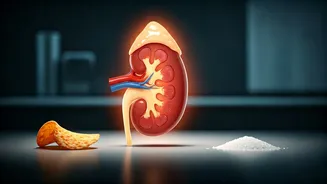
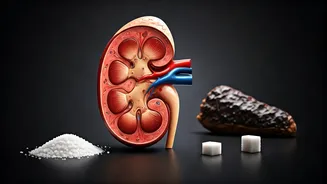
The most effective strategy for early hypertension diagnosis is regular home blood pressure monitoring using a reliable device. Identifying hypertension in its initial stages offers a crucial window of opportunity to implement lifestyle modifications that can significantly improve health outcomes. These changes include reducing sodium intake, engaging in regular physical activity, effectively managing stress, and prioritizing better sleep hygiene. By recognizing the subtle symptoms discussed and acting promptly, individuals can avert serious complications such as heart disease, stroke, and kidney problems. Listening to your body and paying attention to the signals it sends within your home environment is a vital first step towards safeguarding your long-term health and well-being.