

What is Pahadi Namak?
Pahadi Namak, also affectionately known as 'pisyu loon,' is a distinct and aromatic salt blend hailing from the Himalayas. Unlike its more common counterparts,
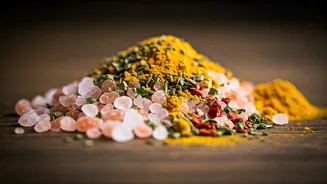
it's not just salt; it's a carefully curated mixture designed to impart a complex and earthy flavour to food. The essence of Pahadi Namak lies in its rich composition, which typically includes a combination of salts like black salt, rock salt, and regular table salt, providing a multifaceted salinity. Beyond the salt base, it is generously infused with a variety of aromatic ingredients. These often feature toasted coriander seeds and cumin, lending a warm, nutty depth, alongside the pungent kick of ajwain (carom seeds). Fresh and dried herbs, such as coriander leaves and garlic leaves, contribute a vibrant herbaceousness. Essential aromatics like garlic cloves and dry ginger powder are fundamental, offering their characteristic sharpness and warmth. A pinch of hing (asafoetida) adds its unique savory, umami note. All these elements are traditionally ground together to create a coarse, flavourful powder that embodies the rugged essence of the mountains.
Taste and Culinary Uses
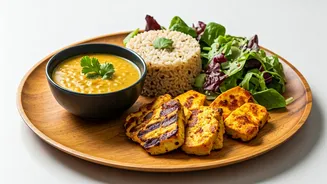
The flavour profile of Pahadi Namak is a delightful journey for the palate. It offers a bold and slightly pungent taste, underpinned by prominent herbal and garlicky undertones that instantly invigorate any dish. The interplay between the ajwain, warming ginger, sharp garlic, and the unique mineral notes of black salt creates a profoundly savoury experience that's far more nuanced than plain salt. This complex seasoning is incredibly versatile. It's frequently sprinkled over fresh fruits and vibrant salads, adding an unexpected depth. It also shines on chaats and various Indian snacks, providing a zesty finish. Many enjoy it stirred into dals and curries for an extra layer of complexity, or even dusted over grilled vegetables and parathas. As a finishing salt, it truly excels, bringing a burst of aroma and intricate flavour right before serving. Beyond its use in cooking, it's often enjoyed as a digestive aid, a small pinch taken after a meal to settle the stomach and provide a final touch of flavour.
Homemade Pahadi Namak
Creating your own Pahadi Namak at home is a straightforward process that guarantees freshness and allows for customization. The core steps involve coarsely grinding together the essential ingredients: coriander seeds, cumin, ajwain, hing, fresh coriander leaves, garlic leaves, peppercorns, dry ginger powder, garlic cloves, and a blend of black salt, rock salt, and regular salt. Once ground, the mixture needs to be thoroughly dried to ensure longevity and prevent clumping. Traditionally, this is achieved by sun-drying the mixture spread in a thin layer until it's completely dry and crisp. However, if sun-drying isn't feasible, an oven can be used at a low temperature (around 150°C for 4-5 minutes), or an air fryer can achieve similar results, ensuring even drying. After cooling, the blend should be stored in an airtight jar in a cool, dry place, where it can retain its aroma for approximately 3-4 months. Making smaller batches and refreshing them as needed is recommended for the best possible flavour.
Integrating Pahadi Namak
When incorporating Pahadi Namak into your cooking, it's best to think of it as a flavour enhancer rather than a direct salt substitute during the cooking process. While it can technically replace regular salt, its delicate herbal and aromatic notes are best preserved when added towards the end of preparation. Prolonged exposure to heat can diminish its vibrant fragrance and nuanced taste, rendering it less impactful. Therefore, the ideal approach is to use standard salt for salting and seasoning while your dishes are simmering or cooking. Then, just before serving, sprinkle a generous pinch of Pahadi Namak over your finished creation. This finishing touch allows its complex bouquet of spices, herbs, and unique salts to truly shine, adding an immediate aroma and a delightful depth that distinguishes your culinary efforts. It transforms a simple dish into something truly memorable.