




A Royal Enclave Unveiled
The City Palace in Jaipur, a sprawling estate established in 1727 by its founder, Maharaja Sawai Jai Singh II, stands as a magnificent testament to the
fusion of Rajput and Mughal architectural influences. This grand complex is more than just a historical monument; it's a vibrant hub that houses several museums, tranquil courtyards, and lush gardens. Within its walls, visitors can admire an impressive array of royal artifacts, including historical weaponry, exquisite textiles, delicate miniature paintings, and ancient manuscripts. The palace also boasts a private art collection featuring works by celebrated Indian and international artists. Prince Padmanabh Singh, the current titular Maharaja of Jaipur, plays a crucial role in safeguarding and promoting the palace's invaluable heritage. His efforts have led to the opening of select palace sections to the public, offering them a chance to experience its grandeur and historical depth firsthand. Furthermore, the palace actively hosts cultural events, exhibitions, and workshops, contributing to its dynamic atmosphere and reinforcing its status as a living representation of Rajasthan's rich cultural legacy and enduring artistic excellence, drawing global interest.
Artistic Roots and Patronage
The City Palace of Jaipur boasts a profound artistic lineage, significantly shaped in the early 20th century. Maharaja Sawai Man Singh II commissioned the German artist Archibald Herman Müller to create royal portraits, a tradition that has left an indelible mark on the palace's visual identity. Müller's distinctive cartouche-style portraits, prominently displayed along the Chandra Mahal veranda, were heavily influenced by Mughal artistic principles. This deep-seated connection to art continues to flourish today, with Prince Padmanabh Singh actively upholding his family's long-standing commitment to cultural patronage. Often found within the serene Jai Niwas gardens, Prince Padmanabh Singh articulates his vision for the palace with passion. He views the City Palace not merely as a residence but as a dynamic, living museum that encapsulates craftsmanship and history. He envisions it as a space brimming with artistic expression, cultivated over generations of skilled artisans and serving as a vital centre for community engagement and creative endeavors.
Restoring Hidden Treasures
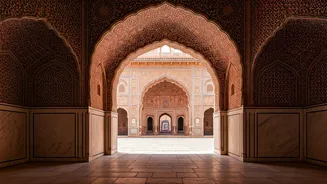
A particularly fascinating aspect of the palace's ongoing preservation efforts involves the restoration of its historic stepwell, or baoli. Originally conceived as a cool sanctuary during Jaipur's sweltering summer months, this architectural marvel features elegant columns, smooth marble slides, and a distinct blend of Indo-Rajput design elements. It once served as a private recreational area for the royal women of the household. Beyond architectural revival, Prince Padmanabh Singh underscores the vital importance of supporting the artisan communities intrinsically linked to the palace. He rightly asserts that Jaipur's unique identity is inseparable from its traditional crafts, many of which are unfortunately facing the threat of decline. By actively championing these skilled craftsmen, he aims to ensure the continued vitality of the city's cultural ecosystem. The palace complex also comprises a series of interconnected courtyards and passageways that vividly illustrate the original design's extensive scale and inherent complexity. These areas, adorned with softly faded frescoes, elaborately carved arches, and period-specific detailing, provide an evocative glimpse into how the palace functioned as a fully inhabited royal residence, with each distinct section fulfilling specific social and cultural roles.