






A Risky Street Food
Street food, particularly beloved items like samosas, are a significant part of Indian culinary culture, enjoyed across various settings from bustling
railway stations to upscale eateries. However, the immense popularity and demand, especially in growing urban centers, unfortunately pave the way for unscrupulous operators. These individuals often compromise on ingredient quality and hygiene to maximize profits, creating a hidden health hazard for consumers. This recent incident in Hyderabad serves as a stark reminder that behind the tempting flavors, a potentially dangerous reality can exist, eroding public trust in familiar snacks and highlighting the critical need for vigilance when choosing what to eat.
The Hyderabad Raid Unveiled
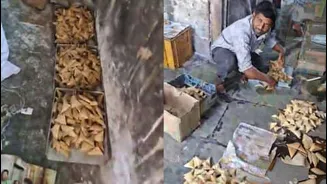
In a significant operation, the Hyderabad Food Adulteration Surveillance Team (H-FAST), in conjunction with the Kulsumpura Police, successfully dismantled a large, unlicensed samosa production facility located in Jiyaguda. Operating without essential authorizations like an FSSAI license, Trade License, or Fire Safety clearance, the unit was spearheaded by 73-year-old Abdul Rasheed. Upon inspection, investigators were confronted with an environment where food preparation was compromised by spoiled and substandard ingredients. Specifically, officers identified cooking oil that had been repeatedly reused and a substantial quantity of stale boiled eggs, practices that directly contravene established food safety regulations and pose a substantial risk to public well-being. The overall conditions within the factory were described as "grossly unhygienic," falling far below even the most basic health and safety standards.
Contaminated Goods Seized
The raid on the illegal samosa factory yielded a substantial seizure of contaminated items, raw materials, and essential equipment, with an estimated value reaching approximately Rs 5 lakh. The confiscated goods included a variety of finished samosas, along with bulk ingredients such as maida (all-purpose flour) and sweet corn. Reports indicate the seizure encompassed around 500 spoiled boiled eggs, a significant 5 kg of reused cooking oil, 350 freshly prepared egg samosas, 600 sweet corn samosas, and 1000 onion-based samosas. The recovered items and machinery underscore the scale of the operation and the extent of the potential public health threat that was averted.
Legal Action and Consumer Alert
Following the discovery, Abdul Rasheed, the proprietor of the illicit samosa unit, was apprehended by the authorities. Legal proceedings have been initiated against him under the provisions of food safety laws at the Kulsumpura Police Station. This decisive action was overseen by a joint team comprising Task Force personnel and Food Safety Officers, emphasizing the commitment to eradicating such dangerous food production practices. Officials have also issued a strong appeal to the local populace, encouraging them to actively report any suspected substandard or unsanitary food vendors in their vicinity. This proactive stance reinforces the idea that consumer safety is a collective responsibility, requiring the community's active participation in ensuring food hygiene standards are upheld.