




Bridging Cities Swiftly
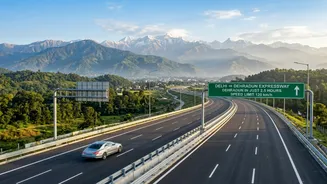
The Delhi-Dehradun Economic Corridor is poised to revolutionize travel between India's capital and the serene hill station of Dehradun. This ambitious
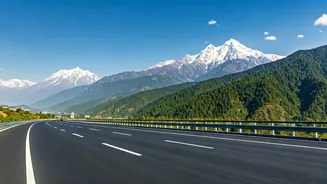
project drastically cuts down the current six-hour journey to an impressive 2.5 hours, transforming it into a quick commute. The expressway is designed as an access-controlled roadway, ensuring a smooth and expedited passage for travelers. Its strategic planning aims to significantly boost connectivity, making weekend getaways and business trips between these two vital locations far more convenient and efficient for everyone involved. This development is expected to foster greater interaction and economic exchange between Delhi and the burgeoning regions of Uttarakhand.
Ecological Harmony Ensured
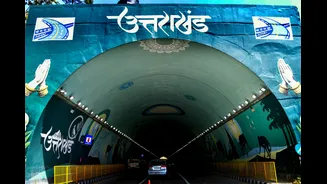
A significant aspect of the Delhi-Dehradun Expressway's design prioritizes the delicate ecological balance of the region. Recognizing the area's rich biodiversity and the presence of sensitive wildlife habitats, particularly within the Rajaji National Park and the Shiwalik Hills, special provisions have been integrated to minimize human-wildlife conflict. This includes an extraordinary 12-kilometer elevated wildlife corridor, one of the longest in Asia, allowing animals to move freely without disruption. Furthermore, the expressway incorporates eight dedicated animal crossings and two substantial elephant underpasses, each measuring 200 meters, alongside a 370-meter tunnel near the Daat Kali temple. These measures demonstrate a deep commitment to coexisting with nature while developing critical infrastructure, ensuring the protection of the region's natural heritage.
Impressive Scale and Cost
Spanning a considerable length of 213 kilometers, the Delhi-Dehradun Economic Corridor is a massive infrastructure undertaking. This six-lane, access-controlled highway has been brought to fruition with an investment exceeding Rs 12,000 crore. The route thoughtfully navigates through three key states: Delhi, Uttar Pradesh, and Uttarakhand, linking important commercial and tourist centers. For commuters utilizing electronic toll collection systems like FASTag, a one-way trip across the four toll plazas is estimated to cost just over Rs 60, making it an economical option for frequent travelers. The project's scale underscores the government's commitment to enhancing national connectivity and facilitating economic growth through modern transportation networks.
Phased Construction Unveiled
The development of the Delhi-Dehradun Expressway has been strategically structured into four distinct phases to manage its complexity and scale effectively. The initial 31.6 km segment, connecting Akshardham to Khekra near the Eastern Peripheral Expressway, primarily involved upgrading existing routes into a six-lane elevated road with an adjacent service lane. The second phase, a significant 120 km stretch from the EPE interchange at Baghpat to the Saharanpur bypass, was constructed entirely as a greenfield project, allowing for optimal alignment and design. The third part, approximately 42 km from Saharanpur bypass to Ganeshpur in Uttarakhand, has already been completed. The final 20 km segment, from Ganeshpur to Dehradun, comprises a 4.6 km upgraded section with the remainder built anew, ensuring a seamless final connection.
Enhanced Connectivity Features
Beyond its primary function of rapid transit, the Delhi-Dehradun Economic Corridor is equipped with numerous features designed to ensure efficiency, safety, and convenience for all users. The project encompasses the development of 10 strategically placed interchanges, facilitating smooth transitions and access to various local routes. Additionally, it includes three major railway over bridges and four substantial bridges over natural waterways, ensuring uninterrupted movement. To support travelers, 12 wayside facilities are being developed, offering essential amenities along the route. Furthermore, the entire corridor is integrated with an Advanced Traffic Management System, employing technology to monitor traffic flow, enhance safety protocols, and improve the overall travel experience for everyone utilizing this new arterial route.
Driving Regulations Clarified
For drivers utilizing the Delhi-Dehradun Economic Corridor, specific speed limits have been established to ensure safety and manage traffic flow effectively. While the expressway is designed for high-speed transit, these regulations aim to prevent accidents and maintain order on this modern roadway. As per earlier reports, the designated speed limit for cars is set at 100 kmph, allowing for swift journeys. For heavier vehicles like trucks, a slightly lower speed limit of 80 kmph is enforced, acknowledging their different handling characteristics and ensuring their safe integration into the traffic stream. Adhering to these speed limits is crucial for maximizing the benefits of the expressway while prioritizing the well-being of all road users.