





Mindful Dressing Matters
Have you ever considered that your morning wardrobe selection might be influencing your mind more than your mirror reflection? This is the essence of enclothed
cognition, a psychological concept that delves into how our clothing choices impact not only how others see us but, more importantly, how we think, feel, and perform. Research in this area suggests that the symbolic significance we attribute to specific garments, coupled with the tangible sensation of wearing them, can actively shape our cognitive functions and behaviours. This explains phenomena like a sharp blazer instilling a sense of authority and concentration, or flowing, comfortable attire fostering relaxation and emotional ease. It underscores that clothing is more than just aesthetics; it serves as a discreet psychological prompt, reinforcing particular mental states based on the situation. As personal style evolves towards greater intentionality, the intricate link between our attire and our functional capacity becomes increasingly evident. Structured designs, vibrant hues, or even familiar textures can boost confidence, sharpen attention, and elevate mood in ways we often overlook. Enclothed cognition re-frames our closets not merely as collections of aesthetic items but as functional tools, enabling us to cultivate specific mental states. Whether aiming for composure, creativity, or tranquility, our clothing becomes an extension of ourselves, impacting performance and perception beyond mere self-expression.
Clothing's Cognitive Influence
The term 'enclothed cognition,' introduced by psychological researchers, describes the consistent impact clothing has on an individual's mental operations. This influence operates on two interconnected levels: the abstract meanings we attach to particular clothing items and the concrete, physical experience of wearing them. When these elements converge, they can subtly modify our thought processes, actions, and general interaction with the world. Clothing often carries deeply ingrained cultural connotations – formal attire is associated with professionalism, athletic wear with vitality, and casual loungewear with unwinding. By donning these items, we don't just adopt their outward appearance; we internalize their symbolic meanings. For instance, a well-structured outfit can foster focus and a sense of command, whereas more relaxed clothing might promote a feeling of comfort and ease, thereby affecting both our mood and our conduct. The significance of enclothed cognition lies in its pervasive influence on our daily lives. The act of getting dressed, a common daily ritual, holds the potential to bolster confidence, refine decision-making, and even enhance productivity. Grasping this connection allows us to view clothing not solely as a means of self-expression but as a practical instrument, enabling us to dress in a manner that supports our desired emotional and performance states.
Dressing for Your Mind
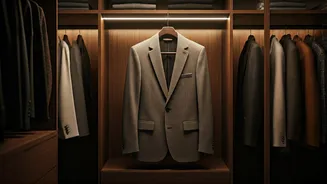
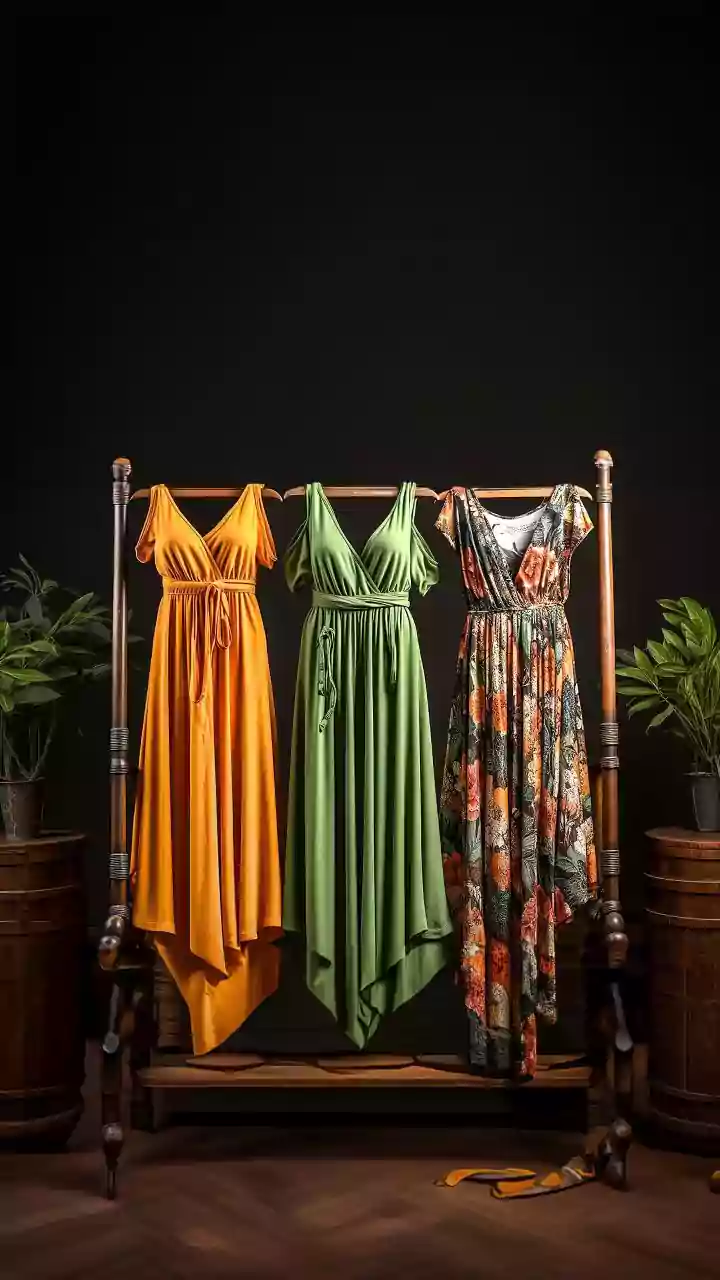
Beyond merely projecting an image or personal style, the garments you select can actively mould your mental landscape. The principle of enclothed cognition posits that diverse clothing types possess distinct psychological associations, and when worn, these associations can begin to shape your cognitive patterns and behavioural tendencies. Garments with structured designs, for example, are frequently linked to qualities like authority and heightened concentration. Items such as tailored blazers, precisely cut shirts, or formal footwear can cultivate a sense of discipline and purpose, making them particularly advantageous in settings demanding intense focus or critical decision-making. Conversely, looser fits and softer textiles often contribute to feelings of comfort and relaxation, which can be beneficial for nurturing creativity or alleviating stress in less formal environments. Even minor adjustments, like transitioning from casual attire to something more refined, can trigger a shift in your mindset. The objective isn't necessarily to dress in a conventionally 'better' way, but rather to choose attire that aligns with what you need to feel and achieve. The process of dressing thus transforms into a preparatory action, where each clothing choice contributes equally to your mental readiness as it does to your physical presentation. In this regard, clothing transcends its aesthetic function, evolving into a subtle yet potent instrument that influences not only how others perceive you but also how you perceive yourself.
Intentional Wardrobe Power
The practice of 'power dressing' extends beyond just sophisticated tailoring or distinctive fashion pieces; it’s fundamentally about intentionality. At its core, it represents a mental recalibration: selecting attire not solely based on its visual appeal but on how it empowers your internal state and functional capacity. Grounded in the concept of enclothed cognition, power dressing operates by harmonizing the external presentation of your outfit with your desired internal disposition. A structured blazer, an elegantly cut dress, or even footwear that you personally associate with confidence can serve as subtle triggers, reinforcing a sense of self-assurance and authority. This approach is less about rigidly adhering to fashion rules and more about identifying what specific elements personally signify 'confidence' to you. For some individuals, this might translate to classic, tailored styles; for others, it could involve bold colour palettes, commanding silhouettes, or even minimalist ensembles that convey a feeling of order and control. The crucial factor is consistency: when your clothing effectively mirrors the mindset you aspire to embody, it becomes more effortless to fully embrace that persona. The effectiveness of power dressing lies in its inherent accessibility. It doesn't necessitate a complete overhaul of your existing wardrobe but rather encourages a more conscious engagement with the pieces you already own. By understanding the specific ways certain garments influence your mood and behaviour, the act of getting dressed becomes a strategic manoeuvre, actively supporting your cognitive processes, your reactions, and your overall presence.