






The Patroller's Core
Becoming a ski patroller is far more than just being an excellent skier; it's a demanding profession that integrates advanced alpine, telemark, or snowboarding
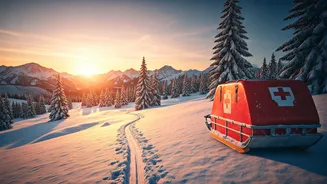
abilities with robust emergency medical response and exceptional guest service. Patrollers must possess the physical and mental fortitude to navigate any mountain terrain and snow condition, from icy slopes to deep powder, regardless of the weather. This role requires unwavering stamina to ski daily throughout the winter, often in challenging conditions that would keep most others indoors. The ability to inspire confidence in guests, combined with a strong foundation in skiing, is crucial for learning essential skills like safely transporting injured individuals via toboggan. Furthermore, a patroller must be comfortable with unpredictability, understanding that each day could range from assisting a lost guest to responding to a life-threatening emergency.
Beyond the Ski
Ski patrollers are the unsung heroes of the mountain, dedicated to ensuring safety and providing aid from the first light of dawn to the last rays of sunset. Their duties extend to vital avalanche control operations, preparing the slopes for the day's activities, and remaining on the mountain until nightfall to assist any lost or stranded individuals. Patrollers are trained to handle a wide spectrum of emergency situations, including the restraint of combative patients experiencing head injuries. Continuous professional development is paramount, with regular continuing education to stay current with medical advancements. They approach their work with a dual passion: a deep compassion for helping those in need and an unwavering enthusiasm for the sport of skiing. While they may enforce certain rules, like clipping lift tickets or managing speeds, their role is more akin to that of firefighters on the slopes, capable of orchestrating complex chairlift evacuations to prevent frostbite or conducting thorough searches for avalanche victims. This requires swift decision-making, balancing minor guest assistance with potentially life-or-death interventions. They must be diligent workers, yet maintain a flexible and easygoing demeanor, capable of both independent action and seamless teamwork. The expectation to perform initial ski descents to assess conditions, even in challenging three-foot snow depths, is met with a professional attitude, viewing each run as an opportunity to experience the mountain's diverse conditions.
Is Patrolling For You?
To determine if ski patrolling aligns with your aspirations, immerse yourself in a typical workday by visiting resorts and speaking with current patrollers. Inquire about their training regimens, the team's culture, and the specific mountain terrain. It's important to note the distinction between paid, or professional, patrollers, and volunteer positions, though not all resorts offer the latter. Once you've identified a patrol you're interested in, reach out to arrange a 'shadow' experience, akin to a ride-along with emergency services. Many resorts also schedule ski patrol tryouts, typically in the spring. A crucial step is obtaining your Outdoor Emergency Care (OEC) or Emergency Medical Technician (EMT) certification, with courses often available through community colleges or ski areas themselves. For those interested in avalanche safety, pursuing an AIARE Level 1 certification provides a solid introduction to hazard management. Volunteering at a local hospital or fire department can also demonstrate valuable experience in emergency medical services. Above all, refining your skiing prowess is essential. Spend ample time in mountainous environments, honing skills relevant to patrolling, and ski as frequently as possible, ideally with a backpack. Consider taking lessons to address any skill deficiencies. When attending tryouts, select skis appropriate for the area's typical snow conditions, and ensure your ski boots are perfectly fitted for warmth and comfort, as you'll be spending extensive hours in them.