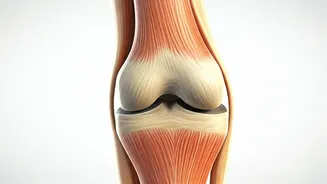

Understanding Knee Health
Knee health hinges on several interconnected factors, and understanding these is crucial for effective care. The knees, intricate joints, bear substantial
weight and are vital for movement. The doctor emphasizes that regular, low-impact exercise plays a vital role in maintaining the strength and flexibility of the muscles around the knee. Activities like swimming, cycling, and walking can help, while high-impact exercises should be approached cautiously. Additionally, maintaining a healthy weight is paramount. Excess weight places undue stress on the knees, accelerating wear and tear. A balanced diet and regular exercise are crucial for weight management and, consequently, knee health. Moreover, the doctor highlights the importance of proper footwear. Shoes that provide adequate support and cushioning can significantly reduce the strain on the knees, especially during physical activity. Choosing shoes that fit well and are appropriate for the activity can make a notable difference in knee health.
Exercise and Movement
Regular exercise is a cornerstone of knee health, but the type and intensity of the exercise are critical. The orthopaedic doctor recommends a mix of exercises to maintain optimal knee function. Strength training helps strengthen the muscles surrounding the knee, providing essential support and stability. This reduces the pressure on the joint itself. Low-impact aerobic exercises, such as swimming and cycling, are excellent choices because they improve cardiovascular health without placing excessive stress on the knees. These activities promote blood flow to the joint, which aids in healing and reduces inflammation. Flexibility exercises, like stretching and yoga, are equally important. These movements improve the range of motion in the knee, maintaining its flexibility. The doctor advises against high-impact activities like running or jumping, especially if you're experiencing knee pain. If you intend to engage in such activities, ensure you warm up adequately and use proper form to minimize stress on the knees. Consulting with a physical therapist can help design a customized exercise plan tailored to your specific needs and abilities.
Diet and Weight Management
Diet and weight management are vital for maintaining healthy knees. The doctor emphasizes the strong link between excess weight and knee problems. Excess weight puts additional strain on the knee joints, accelerating wear and tear and increasing the risk of conditions like osteoarthritis. Maintaining a healthy weight significantly reduces the stress on the knees. A balanced diet is fundamental for weight management and overall health. Focus on consuming nutrient-rich foods, including fruits, vegetables, lean proteins, and whole grains. Limit the intake of processed foods, sugary drinks, and unhealthy fats, as these can contribute to weight gain and inflammation. Incorporating anti-inflammatory foods into your diet is beneficial for knee health. Foods rich in omega-3 fatty acids, such as salmon and flaxseeds, and antioxidants found in berries and leafy greens, can help reduce inflammation in the joints. Regular physical activity further supports weight management. Combining a healthy diet with consistent exercise offers the most effective approach to maintaining a healthy weight and protecting your knees.
Protective Measures
Protecting your knees involves several practical measures that can prevent injuries and minimize stress. The doctor stresses the importance of using proper form and technique during all physical activities. This is especially important during exercise and sports. Incorrect form can lead to excessive strain on the knee joints, increasing the risk of injury. Warming up before exercise and cooling down afterward are crucial steps. Warming up prepares the muscles and joints for activity, increasing flexibility and reducing the likelihood of injury. Cooling down helps the body recover and reduces muscle soreness. Wearing appropriate footwear is essential. Shoes should provide good support, cushioning, and fit properly. The type of footwear you need will vary depending on your activities. Using supportive devices like knee braces can offer extra stability and protection, particularly during high-impact activities or if you have a history of knee problems. However, it is essential to consult with a doctor or physical therapist before using a brace to ensure it is the right choice for your condition.
Early Intervention
Seeking early intervention for any knee pain or discomfort is crucial. The doctor advises prompt attention to any knee problems to prevent them from worsening. Ignoring early signs of knee pain can lead to more serious conditions that are harder to treat. If you experience knee pain, swelling, or stiffness, consult a doctor or physical therapist. Early diagnosis and treatment can often prevent the condition from progressing. Diagnostic tools, like X-rays and MRIs, can help identify the underlying cause of the pain and guide the treatment. Treatment options vary depending on the condition and severity, including physical therapy, medication, and lifestyle adjustments. In some cases, minimally invasive procedures, such as injections, might be recommended. Early intervention allows the implementation of conservative treatments, potentially avoiding more invasive procedures like joint replacement. By addressing issues early, you increase your chances of maintaining a healthy and active lifestyle and potentially delaying the need for more complex interventions.